Last updated November 17, 2026




Free written scope consultation - allowances, timeline, and change-order rules on paper before a single trade is scheduled
The Complete General Contractor Guide for Mesquite Homeowners
Mesquite sits at the edge of Nevada’s construction licensing zone, and that edge matters more than most homeowners realize. A surprising number of contractors working here hold licenses registered to Las Vegas addresses they haven’t operated from in years, and that gap becomes your legal exposure if a job goes sideways. This guide covers what generic contractor advice skips: how to verify a license for a Mesquite zip code, why crew continuity belongs in your contract, what a written price actually guarantees versus a “bid,” desert-specific scope items out-of-area crews routinely underbid, and how to build a payment schedule that protects you if your crew gets pulled to a bigger Las Vegas job mid-project.
Quick Answer
To hire a general contractor in Mesquite, NV, verify the license number directly on the Nevada State Contractors Board site and confirm the address on file is a real, active location, not a stale Las Vegas office. Then insist on a written price with fixed line items before work starts, a crew-continuity clause naming who will be on site, and a payment schedule tied to completed milestones rather than a large upfront deposit. Desert scope items like heat-rated materials, monsoon drainage, and UV-resistant finishes should appear in writing, because contractors from outside the area routinely leave them out to win the bid.
Styles & brands we work with
- Kitchen remodeling
- Bathroom remodeling
- Home additions & ADU
- Roofing
- Windows & doors
- Driveway & pavers
- Fence
Table of Contents
- How Nevada contractor licensing works for Mesquite zip codes
- Why crew continuity is a contract clause, not an assumption
- Written price vs. bid vs. estimate: what each one really covers
- Desert-specific scope items out-of-area contractors underbid
- How to structure a payment schedule that protects you
- A step-by-step verification checklist before you sign
- Red flags that signal overflow work
- Frequently asked questions
How Nevada contractor licensing works for Mesquite zip codes
Nevada licenses contractors at the state level through the Nevada State Contractors Board, not the city. Mesquite doesn’t issue its own general contractor license, so the license number on the contractor’s card should trace back to a state record, and that record should list a business address that matches where they actually operate. This is where the Las Vegas gap shows up. A contractor can hold a valid license with a Las Vegas address on file and still legally bid work in Mesquite, but if that address is a mailbox or an office they vacated two years ago, you have no reliable way to reach them when a warranty issue surfaces.
Here’s what to check on the state board’s license lookup:
- License status. Active is the only status that matters. Suspended and expired licenses appear in the same search, and a contractor who says “it’s being renewed” is telling you to wait.
- Classification. A general building contractor classification covers whole-home work. A specialty classification like carpentry or painting doesn’t authorize a full remodel.
- Business address on file. Cross-check it against the address on your written price. If they don’t match, ask why in writing.
- Bond and insurance on record. The board lists whether the required bond is current. A lapsed bond is a serious problem, not a paperwork hiccup.
- Complaint history. The board publishes disciplinary actions. Read them. A pattern of complaints about abandoned jobs tells you more than any reference will.
Clark County’s unincorporated rules don’t automatically apply inside Mesquite city limits, which trips up contractors used to working the Las Vegas valley. Mesquite handles its own building permits and inspections through the city, so a contractor who tells you “the county will handle it” hasn’t worked here recently. Ask directly which jurisdiction will issue your permit and who is pulling it. If the answer is vague, that’s your signal.
Why crew continuity is a contract clause, not an assumption
Mesquite’s labor pool is small. When Las Vegas construction ramps up, crews follow the money down I-15, and a project in Mesquite can sit half-finished while the same contractor’s people are framing houses in Henderson. This isn’t a knock on anyone’s character. It’s simple economics in a town of roughly 20,000 people competing with a metro of two million for the same tradespeople. The homeowners who get burned are the ones who assumed their crew would stay put.
Put continuity in writing. Your contract should name who is responsible for the job day to day, how many crew members will be on site during each phase, and what happens if the assigned crew is pulled. The Threshold Standard, the verification process Mason Remodeling uses, has every crew member background-checked and identity-verified, and homeowners receive the technician’s name and photo before the visit, plus a photo ID badge at the door. That’s the level of specificity your contract should mirror: named people, verifiable identities, and a written commitment to who shows up.
Ask these questions before signing:
- Who is the on-site lead, and will that person be on my job from start to finish?
- If your crew gets reassigned, how much notice do I get, and what’s the remedy?
- Are the tradespeople employees or subcontractors? Either is fine, but you should know which.
- What’s the written process if the job stalls for more than a week?
If a contractor won’t put continuity language in the contract, they’re telling you your project is overflow work. Believe them the first time.
Written price vs. bid vs. estimate: what each one really covers
A bid is a number. An estimate is a guess with a decimal point. A written price is a commitment. Those three words get used interchangeably in contractor marketing, and the difference between them is the difference between a project that finishes on budget and one that grows a tail of “extras” on the final invoice.
Here’s how to tell them apart in the actual document:
- A bid typically states a total with limited line-item detail. It’s a starting point for negotiation, not a promise. Change orders are expected.
- An estimate is qualified language: “approximately,” “subject to site conditions,” “materials may vary.” It’s useful for budgeting and worthless for enforcement.
- A written price breaks the project into line items with fixed dollar figures, names the materials and brands, states what’s included and excluded, and holds the number unless you change the scope. This is what Mason Remodeling delivers before any work begins, on every project, as standard rather than an upgrade.
Look for these exact phrases in the document. “Fixed price” should appear near the total. “Exclusions” should be a headed section listing what’s not covered. “Change order process” should describe how scope changes get priced and approved in writing before work proceeds. And “guarantee” should state the term plainly: coverage for 365 days from the completion date, with the specific items covered and excluded spelled out. If the guarantee says “backed by our warranty” without a term, you don’t have a guarantee, you have a slogan.
For a real sense of how line-item pricing looks on a full project, our General Contractor in Mesquite page walks through scope and cost ranges for common jobs.
Desert-specific scope items out-of-area contractors underbid
Mesquite summers push past 110°F, UV exposure is relentless, and monsoon season brings short, violent rain that finds every drainage flaw in a property. A contractor who learned the trade in a milder climate will underbid these conditions every time, not out of dishonesty but out of unfamiliarity. The scope they write assumes materials and methods that won’t hold here.
These items should appear explicitly in your written price:
- Heat-rated and UV-stable materials. Standard exterior sealants, caulks, and some paints degrade fast under Mesquite sun. Roofing underlayment and shingle ratings matter too. If the spec sheet doesn’t name a product rated for sustained high heat, ask why.
- Monsoon drainage. Grading, downspout placement, and hardscape slope should direct water away from the foundation, not toward it. We’ve seen patios pitched the wrong way flood a slab within one season. Belgard and Unilock pavers installed on a proper base with correct fall hold up; the same pavers on flat ground don’t.
- Expansion joints and thermal movement. Concrete and stucco move with temperature swings here. Missing control joints crack within a year.
- Window and door flashing. Desert wind-driven rain gets into gaps that a milder climate never tests.
- HVAC-adjacent scope. Attic work and insulation choices affect cooling load. A remodel that ignores this costs you every summer.
Ask any contractor bidding your job to walk you through how their scope addresses each of these. The ones who’ve worked in Mesquite will answer in specifics. The ones who haven’t will pivot to price.
How to structure a payment schedule that protects you
The payment schedule is your strongest lever, and most homeowners give it away in the first meeting. A large upfront deposit, a lump sum at “substantial completion,” and a small final payment leaves you exposed if the crew disappears mid-project. Structure it around milestones instead, with money still owed at every stage.
A schedule that protects you looks like this:
- Modest deposit at contract signing. Enough to secure materials and schedule, not enough to fund the whole job. A contractor demanding 50% upfront is asking you to carry their cash flow.
- Payment at defined milestones. Framing complete, rough-in inspected, drywall finished, cabinets installed. Each payment releases after you’ve walked the work and signed off.
- Retainage held to final inspection. Hold a meaningful percentage until the city inspection passes and punch-list items are closed. This is standard in commercial work and reasonable in residential.
- Final payment after the guarantee is documented. You should hold the last check until you have the written guarantee in hand, with the 365-day term and covered items stated.
Lien waivers matter too. Ask for a conditional lien waiver from each subcontractor and supplier as they’re paid, so you’re not on the hook if the general contractor doesn’t pay their suppliers. Nevada lien law gives suppliers and subs strong rights against your property, and a waiver is your documentation that the money flowed where it should.
Mason Remodeling backs completed work with a written guarantee and a free return visit at no charge if a repair or installation fails. Pair that with a milestone-based schedule and you’ve removed most of the financial risk from the project.
A step-by-step verification checklist before you sign
Run every contractor through the same sequence. It takes about an hour and it’s the most valuable hour you’ll spend on the project.
- Pull the license. Search the Nevada State Contractors Board site by license number and by business name. Confirm active status, correct classification, and an address that matches reality.
- Confirm permit responsibility. Get it in writing that the contractor will pull the Mesquite city permit and that you’ll receive copies of inspection sign-offs. Unpermitted work becomes your problem at resale.
- Read the written price line by line. Check for the guarantee term, exclusions, change order process, and material brands. Flag anything vague and ask for it in writing before signing.
- Verify who’s coming. Ask for the names and photos of the crew assigned to your job. A contractor who can’t provide this is running a different kind of operation than the one you want.
- Review the payment schedule. Milestones, retainage, lien waivers. If the schedule front-loads, negotiate or walk.
- Get the guarantee in writing at completion. Not a brochure. A document stating what’s covered, what’s excluded, and for how long.
If you’re remodeling a kitchen or bath specifically, the scope gets more technical. Our pages on Kitchen Remodeling in Mesquite and Bathroom Remodeling in Mesquite break down the trade-specific questions worth asking, including waterproofing methods and cabinet brand options like KraftMaid and Wellborn.
Red flags that signal overflow work
Overflow work isn’t a label a contractor wears. You have to read the signals. In our experience working Mesquite jobs, these are the patterns that show up right before a project stalls:
- Pressure to sign fast. Legitimate contractors give you time to verify. Urgency is a sales tactic, and it’s usually covering for something.
- No physical business presence you can verify. A Las Vegas address that turns out to be a mailbox, no crew names, no photos. If you can’t verify who’s coming, don’t let them in.
- Verbal estimates that “we’ll firm up later.” If they won’t commit to a written price before work starts, the final invoice is where they’ll make their margin.
- Deposit demands over 30%. A contractor who needs your cash to fund your job is already in trouble.
- No mention of Mesquite permits or desert scope. Roofing specs that assume a mild climate, drainage plans that ignore monsoon flow, no heat-rated materials. They’re bidding a job in a place they don’t know.
- Vague guarantee language. “Fully guaranteed” with no term, no exclusions, no document. A real guarantee has numbers and boundaries.
See the difference
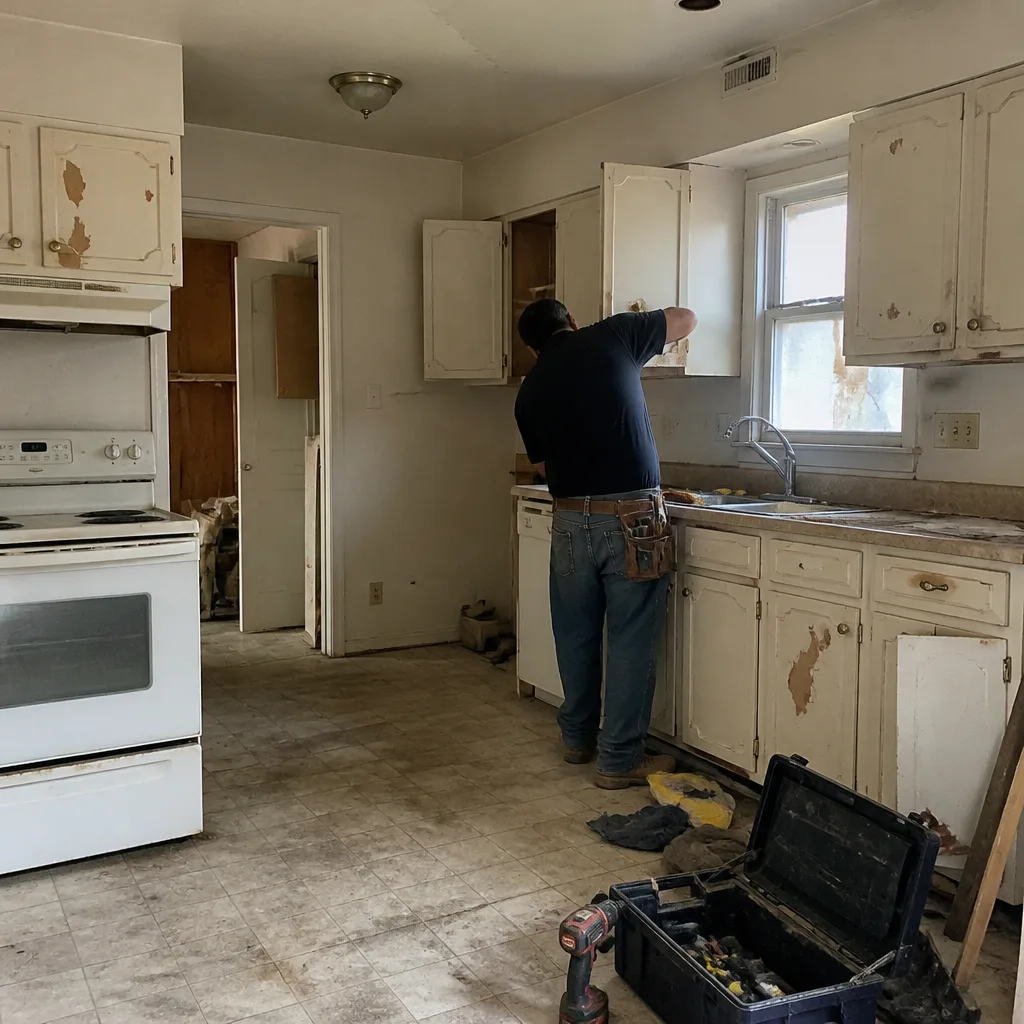 Before
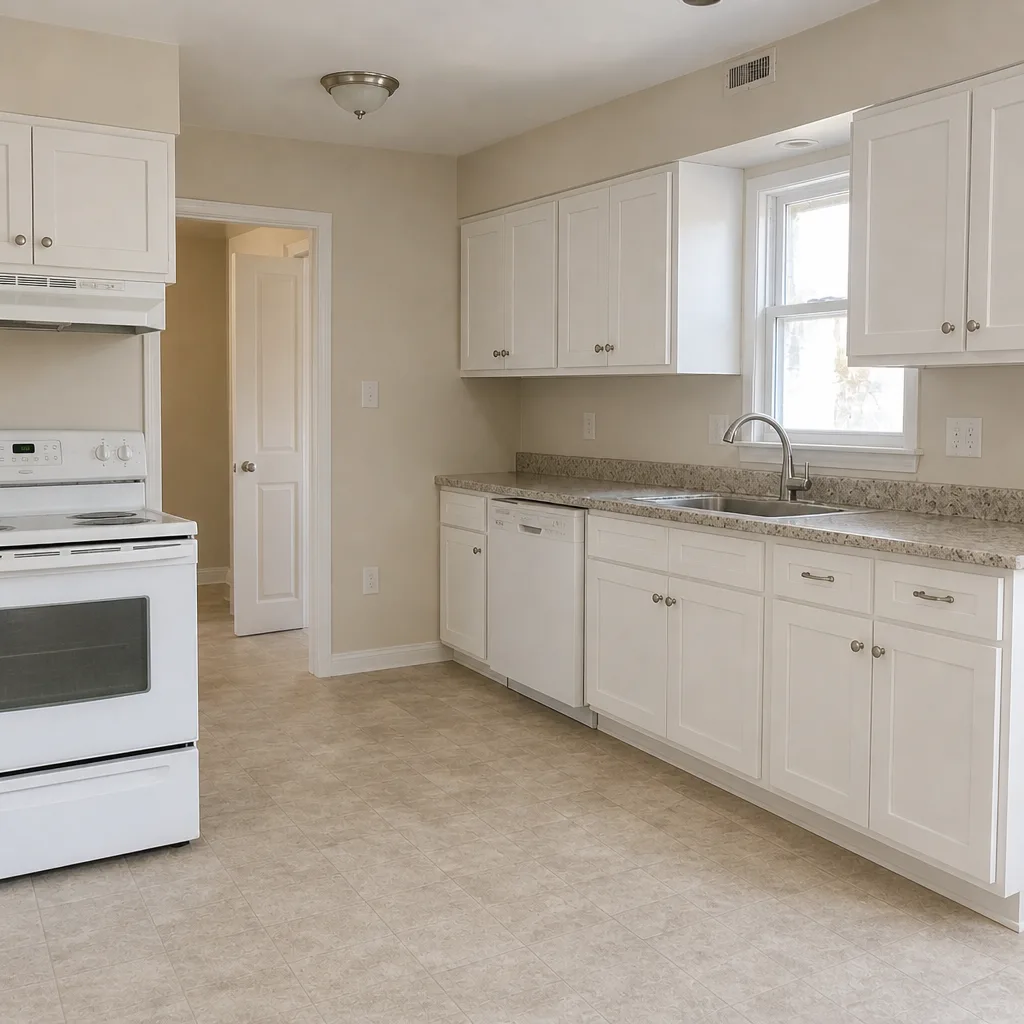 After
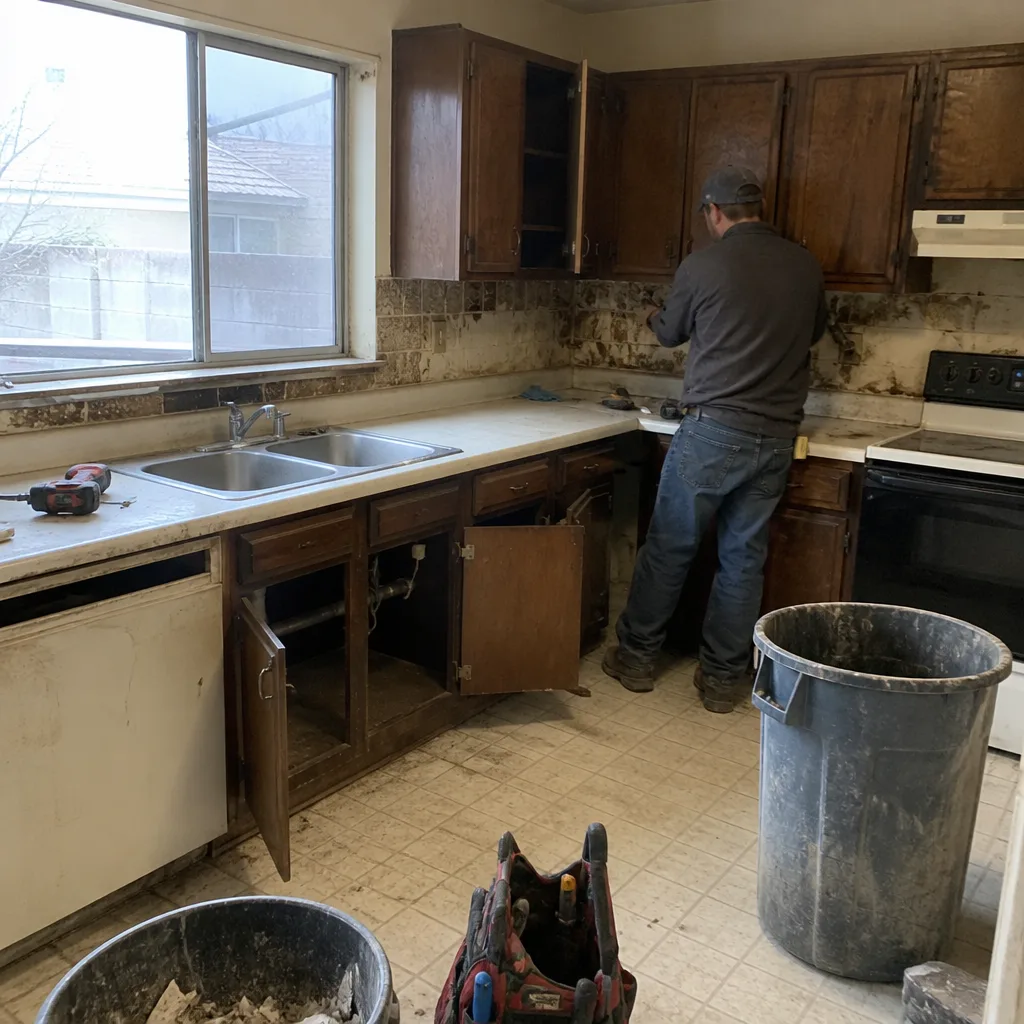 Before
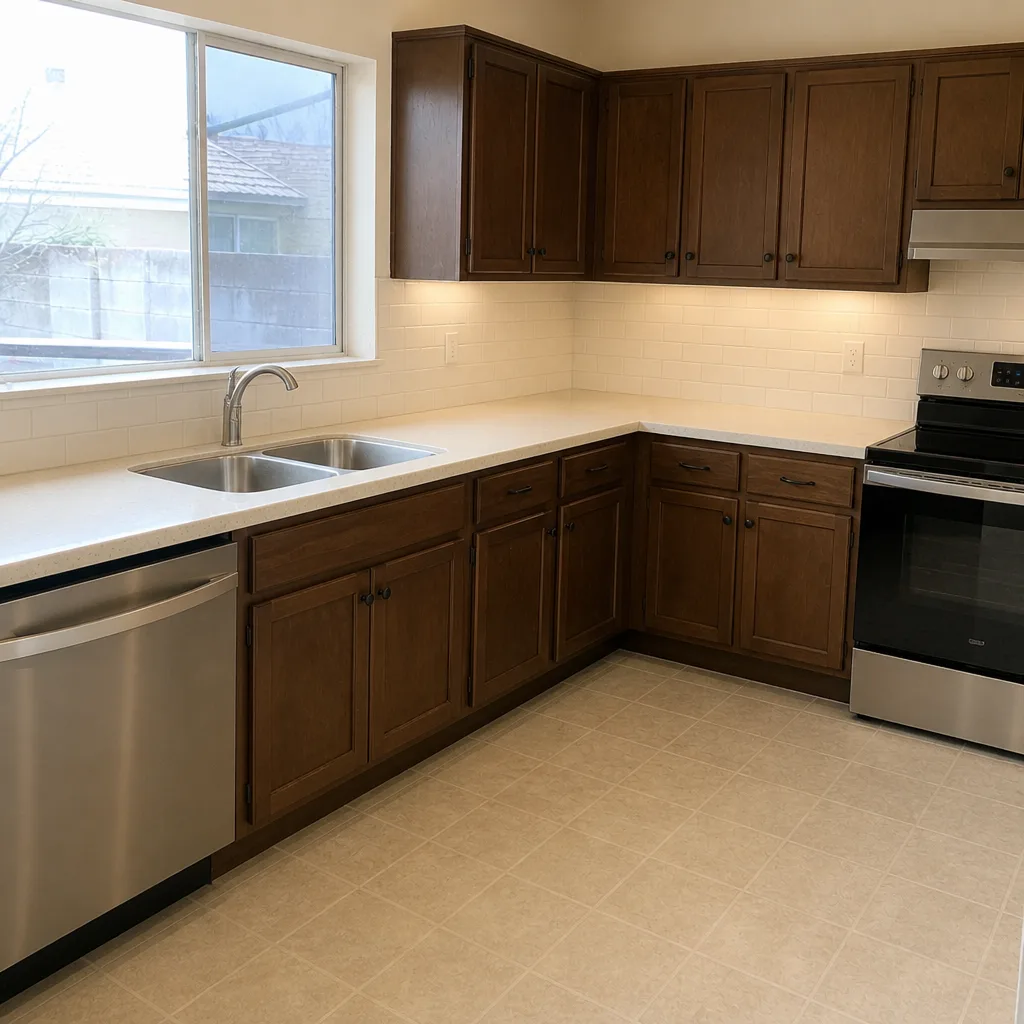 After
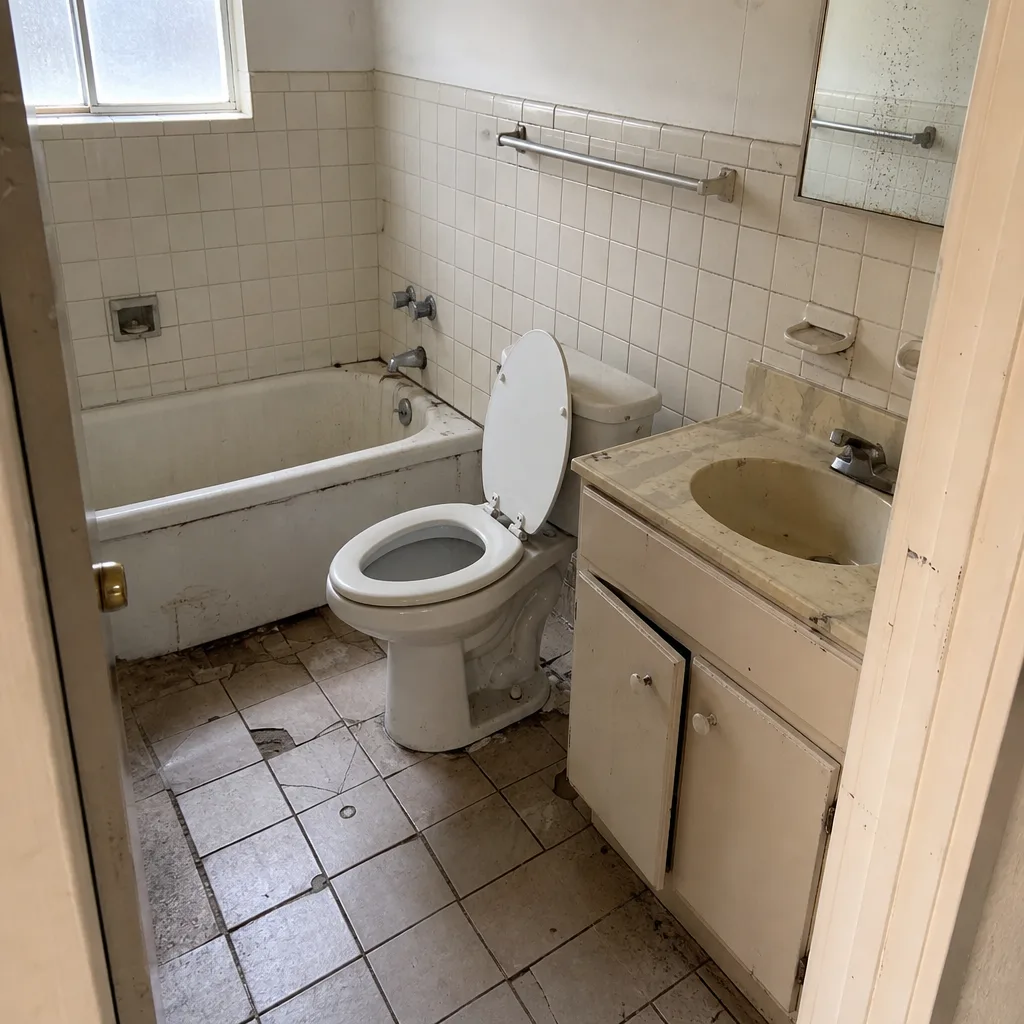 Before
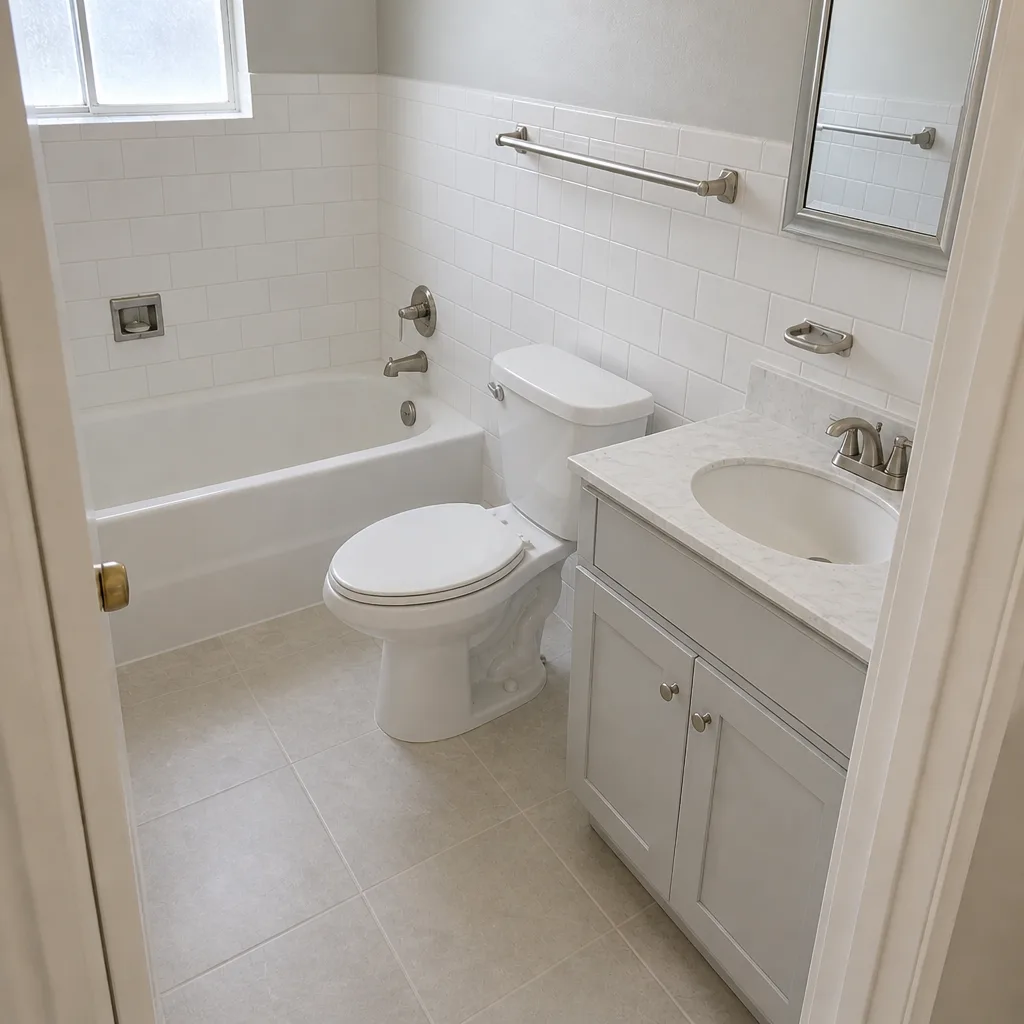 After
Common Mistakes to Avoid
- Trusting a Las Vegas address as proof of local operation. A state license with a distant address can be perfectly valid and still leave you without recourse when a warranty claim surfaces. Verify the business location matches the work.
- Treating crew continuity as a given. In a town this size, crews get pulled to bigger jobs. Without a contract clause, you have no remedy when yours does.
- Accepting a bid when you were promised a price. The words aren’t interchangeable. Ask for fixed line items with stated exclusions.
- Assuming any contractor knows desert construction. Heat-rated materials, monsoon drainage, and UV exposure are Mesquite-specific. Out-of-area crews underbid them every time.
- Front-loading the payment schedule. A big upfront deposit and small final payment gives the contractor all the leverage. Milestones and retainage keep it with you.
- Skipping the permit verification. Mesquite issues its own permits. Work pulled under the wrong jurisdiction is unpermitted work, and that’s your liability at resale.
- Not getting the guarantee in hand at completion. A verbal promise with no document and no term isn’t coverage. Get the written guarantee before the final check.
When to Call a Professional
Some work crosses the line from weekend project to licensed job. Structural changes, anything that moves a load-bearing wall, electrical panel work, gas line connections, and roof work at height all belong to a licensed professional. In Mesquite, any project requiring a city permit should have a licensed contractor pulling it, because the inspection record follows the property. Remodels over a certain scope, additions, and anything touching the building envelope fall into this category too. A good rule: if the work could affect your home’s structural integrity, safety systems, or resale value, don’t hand it to an unlicensed crew. Mason Remodeling Mesquite offers free estimates in Mesquite, and a live person answers the phone around the clock. Call (844) 797-3609 to schedule yours.
Frequently Asked Questions
Search the Nevada State Contractors Board’s online license lookup by the contractor’s license number and business name, then confirm the license is active, the classification covers general building work, and the business address on file matches a real operating location. Mesquite doesn’t issue its own contractor license, so the state board record is the authoritative source. Cross-check the address on the license against the address on your written price. Call (844) 797-3609 if you want a second set of eyes on a quote.
A bid is a total number that often changes through negotiated change orders, while a written price is a fixed, line-item commitment with named materials, stated exclusions, and a documented change order process. A written price holds unless you change the scope. Ask for the guarantee term in writing too: 365 days from completion, with covered and excluded items listed. Call (844) 797-3609 for an exact quote on your project; estimates are free.
Mesquite’s labor pool is small and competes directly with Las Vegas construction demand, so crews get pulled to larger jobs and projects here can stall mid-build. Put continuity in the contract: name the on-site lead, state how many crew members will be present per phase, and define the remedy if the crew is reassigned. A contractor unwilling to commit in writing is treating your project as overflow work.
Heat-rated and UV-stable exterior materials, monsoon drainage graded away from the foundation, correct thermal expansion joints, and wind-driven rain flashing are the core items. Roofing specs should name products rated for sustained high heat, and hardscape like Belgard pavers should be installed on a proper base with correct fall. If a bid omits these, ask for them in writing before signing. Call (844) 797-3609 to walk through what your specific project needs.
Tie payments to completed, inspected milestones rather than dates, keep the signing deposit modest, and hold retainage until the final city inspection passes and punch-list items are closed. Ask for conditional lien waivers from subs and suppliers as they’re paid. Never release the final payment until you have the written guarantee in hand with the coverage term stated.
Your licensed general contractor should pull the permit through the city of Mesquite, not Clark County, and should give you copies of the inspection sign-offs at each stage. Mesquite handles its own permitting, so a contractor who says the county will handle it hasn’t worked here recently. Unpermitted work becomes your liability at resale. Call (844) 797-3609 to confirm how permitting will work on your job.
The Bottom Line
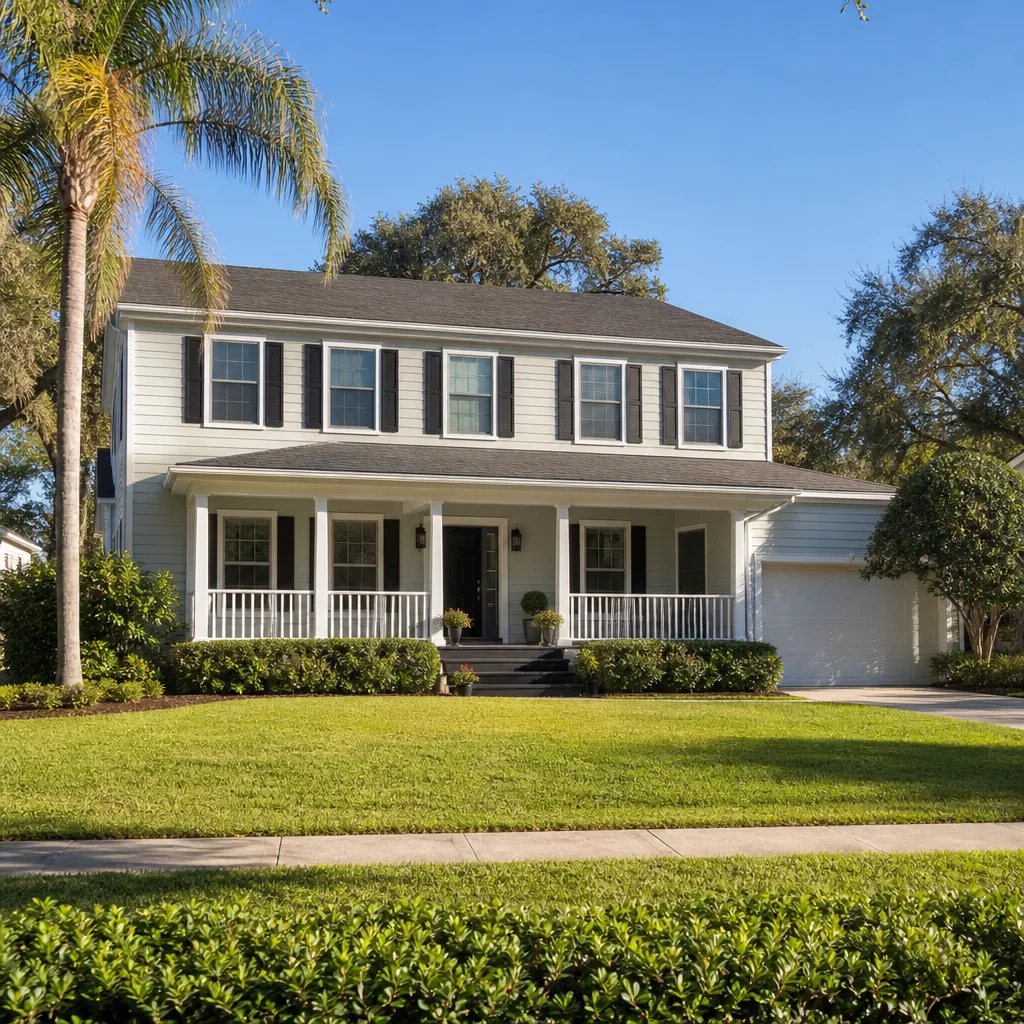
Hiring a general contractor in Mesquite comes down to verification. Confirm the state license, check that the business address is real, and ask which jurisdiction issues your permit. Then demand a written price with fixed line items instead of a bid, a crew-continuity clause naming who’s on site, desert scope items spelled out, and a milestone payment schedule with retainage. These steps filter out contractors who treat Mesquite as overflow work and leave you with the ones who’ve built here long enough to know what the desert does to a job. Start with your free estimate: call (844) 797-3609, any hour. You can also start at our Mason Remodeling Mesquite home page to see what we handle.
Written by the team at Mason Remodeling Mesquite.