Last updated November 17, 2026





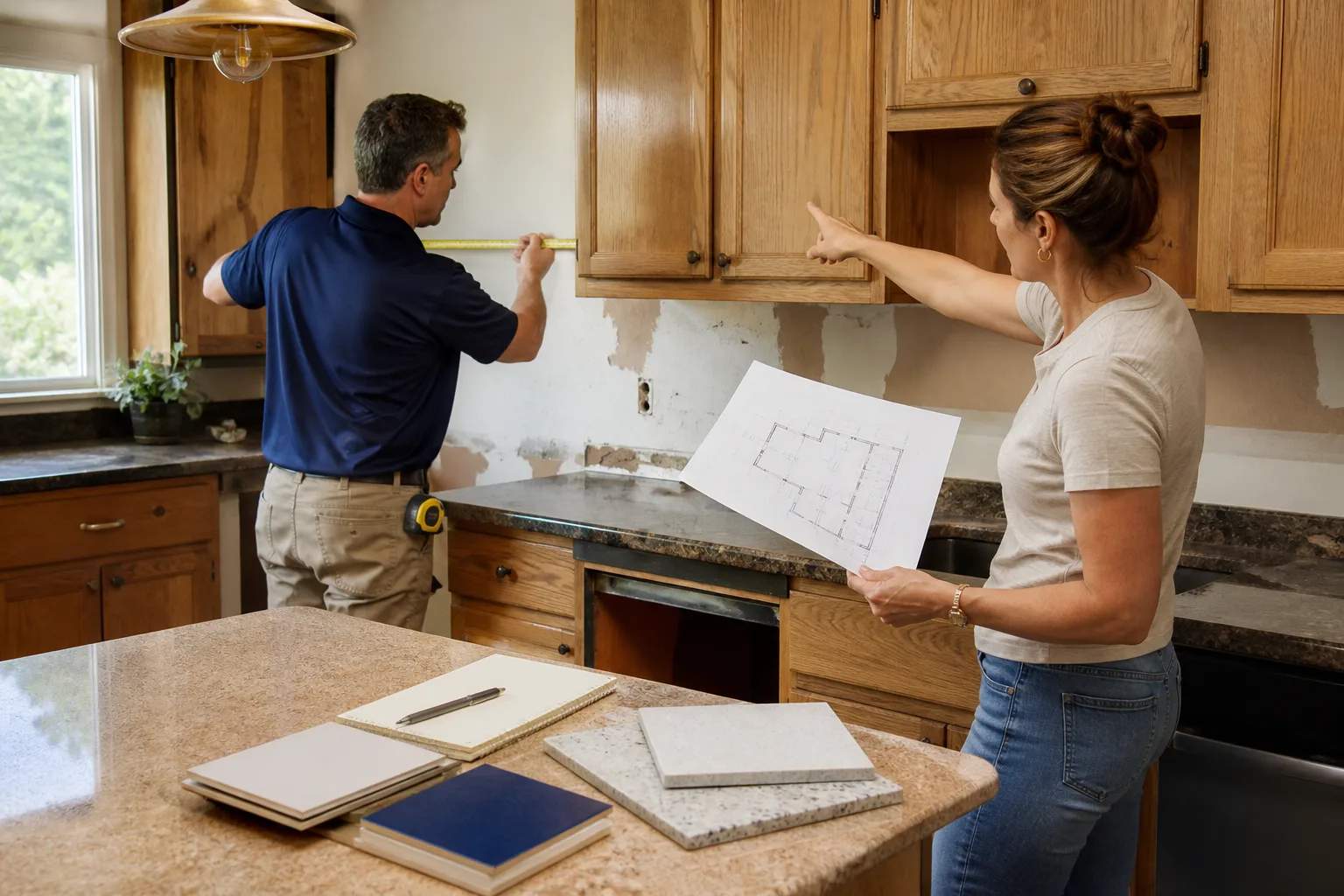
Free written scope consultation - allowances, timeline, and change-order rules on paper before a single trade is scheduled
General Contractor Warning Signs Every Homeowner Should Know
Nevada contractor complaint records carry a pattern most homeowners never expect: the person filing the complaint usually remembers a red flag from the very first meeting. Often it’s the contractor who couldn’t name their insurance carrier on the spot. Not a website typo, not a missing van logo. A small, quiet moment that got brushed aside because the price looked good. This guide trains you to read those quiet signals before money changes hands. We’ll cover the contract language that shifts risk onto you, the licensing check most people skip, and what a suspiciously low bid really means. If you live in Mesquite, some of these details matter more than you’d think.
Quick Answer
The biggest warning signs when hiring a general contractor are vague or verbal pricing, a contractor who can’t verify their license, bond, and insurance on the spot, contract language built around “time and materials,” “allowances,” and open-ended change orders, and refusal to name the subcontractors who’ll work on your home before you sign. Any one of these is worth pausing over. Two or more together means you should walk.
Styles & brands we work with
- Kitchen remodeling
- Bathroom remodeling
- Home additions & ADU
- Roofing
- Windows & doors
- Driveway & pavers
- Fence
Table of Contents
- Warning Signs in the First Conversation
- Contract Language That Shifts Risk to You
- How to Verify a License, Bond, and Insurance in Nevada
- What a Suspiciously Low Bid Actually Means
- Why the Subcontractor Question Is a Lien Question
- Crew Identity Verification and Your Liability
- Mesquite-Specific Signals: Climate, Code, and Desert Scheduling
- The One Document That Separates Real Contractors From Talkers
Warning Signs in the First Conversation
Pay attention to how the first conversation is structured, not how friendly it is. Friendliness is free. Specificity costs a contractor something, because it commits them. In our experience across general contracting and whole-home work in Mesquite, the difference between a solid bid and a future headache shows up in the first ten minutes.
Here’s what to listen for:
- They can’t name their insurance carrier. A licensed contractor knows their carrier and their policy limits without looking it up. If they say “my guy handles that,” ask for the certificate of insurance and wait for it before anything else.
- They answer every question with a price range instead of a number. Ranges are fine as a starting point. But a contractor who won’t commit to a structure for how the final number gets set is telling you the final number is negotiable later, and it won’t be in your favor.
- They push you to decide on the spot. Urgency is a sales technique, not a construction reality. A remodeler with a real schedule doesn’t need your deposit today.
- They dodge the “who will be in my house” question. Good contractors keep a known crew and known subs. Vague answers here carry real consequences, covered further down.
- They badmouth every competitor by name. Some venting is normal. A whole pitch built on it usually means they’d rather you distrust everyone than check anything.
Notice none of these are dramatic. No contractor is going to announce that they plan to change-order you to death. The signals are small and early, and they’re easiest to read before a deposit is on the table.
Contract Language That Shifts Risk to You
This is the section most homeowners skim past and later regret. Three phrases in a proposal tell you a lot about who is carrying the risk on the job.
Time and Materials
A time-and-materials contract means you pay for hours worked plus materials used, with no ceiling. On a small punch-list repair, that’s reasonable and fair. On a kitchen or whole-home project, it hands the entire budget uncertainty to you. A fixed written price reverses that. When we quote a kitchen remodeling in Mesquite, the written price goes to you before any work starts, and that’s the standard on every project, not an upgrade. Time and materials has its place. It just shouldn’t be the default on a five-figure job.
Allowances
An allowance is a placeholder dollar amount for something not yet chosen, typically tile, fixtures, or cabinetry. A $2,000 tile allowance sounds fine until you learn the tile you actually want runs $3,800. You pay the difference, and the “bid” you compared against other contractors was never real. Ask how many allowances are in the proposal and what happens when you exceed them. A contractor building on specification-grade material partnerships, including names like KraftMaid, Cambria, and Kohler, can usually pin real numbers earlier because the products are sourced in one place.
Open-Ended Change Order Clauses
A change order is a legitimate tool. Sometimes you discover rot behind a shower wall or decide to move a doorway, and the scope has to change. The warning sign is a clause that lets the contractor issue change orders at their own pricing with no written approval from you. Every change order should state the added cost and get your signature before the work happens. If the clause doesn’t say that, mark it up and ask.
How to Verify a License, Bond, and Insurance in Nevada
This is the step most homeowners skip, and it takes about fifteen minutes. In Nevada, contractors are licensed through the Nevada State Contractors Board, and you can verify a license directly on the Board’s website. Verification means three things, and all three matter.
- Active status. Look up the license number and confirm status shows active, with the classification covering the type of work you’re hiring for. A license that lapsed two months ago still looks impressive on a business card.
- Bond on file, and the bond amount. Nevada requires a contractor’s bond as a consumer protection mechanism. The bond has a limit. A $20,000 bond doesn’t cover a $90,000 whole-home remodel the way you’d assume. Check the amount against your project size and ask the contractor about it directly if there’s a gap.
- Insurance certificate, current and in writing. General liability and workers’ comp, with dates that cover your project window. If a worker gets hurt on your property and the contractor carries no workers’ comp, that problem can land on you.
Ask the question in person: “Can you name your insurance carrier and show me the certificate?” The hesitation tells you as much as the paperwork. If someone won’t produce a certificate on request, that’s your first meeting red flag, remembered later.
What a Suspiciously Low Bid Actually Means
A bid that comes in 20 to 30 percent below everyone else isn’t a bargain. It’s a bid that has removed cost somewhere, and that cost gets recovered in one of three places.
- Scope. Something got left out: permits, demolition, haul-away, final paint, or the permit inspection fees. The “low” bid becomes the same bid once the missing items are added back in change orders.
- Labor quality. The lowest available subs, little or no supervision, and a schedule built on whoever shows up. This is where rework lives.
- Paperwork. Unlicensed status, no bond, no insurance, crew paid in cash. The savings are real, and they come from not carrying the protections you’re paying everyone else to carry.
The useful question is never “who’s cheapest?” It’s “what’s included, in writing, and what isn’t?” When you compare a written line-item quote from one contractor against another, you’re finally comparing the same job.
Why the Subcontractor Question Is a Lien Question
Ask a general contractor which subcontractors will be on your job before you sign. If they can’t tell you, that’s not just a planning problem. It’s a lien risk.
Nevada’s mechanics’ lien law lets contractors, subcontractors, and material suppliers who aren’t paid file a lien against your property, even if you already paid the general contractor. If the GC hires a sub you’ve never heard of and the GC doesn’t pay them, the sub can pursue the property. That’s how a homeowner ends up paying twice for the same work.
The protections are straightforward. A named subcontractor list before signing, a preliminary notice from each sub, and a written lien release on completion. A contractor who can name their subs has usually vetted them: licensed, insured, and paid on a predictable schedule. A contractor who says “I’ve got guys” is one bad sequence away from a lien on your deed.
This connects to the licensing check above. If the subs are named, you can verify each one. That’s the whole point.
Crew Identity Verification and Your Liability
Homeowners think about crew identity as a safety question. It is that. It’s also a liability question under Nevada premises law.
When someone is on your property, the level of duty you owe depends on why they’re there and who invited them. An unverified crew member who gets hurt, or who causes damage, creates exposure that traces back to the homeowner. Background checks matter for the obvious reason: strangers in your home around children and older family members. But the second reason often goes unmentioned. A contractor who can’t say who’s coming is a contractor who hasn’t verified who’s coming, and that gap lands on your property and your insurance.
We built a named process for this, called The Threshold Standard. Every technician is background-checked and identity-verified. The homeowner receives the technician’s name and photo before the visit, and a photo ID badge gets presented at the door. Live people answer the phone when you call to ask. That’s the standard we hold to, and it’s the standard worth demanding from anyone you hire.
What to ask any contractor before booking:
- Will I get the name and photo of the crew assigned to my job before the visit?
- Are your workers background-checked, and can you describe the process?
- Do your people carry photo ID, and will they present it at the door?
- Is this crew employed by you or brought in as a sub, and is that company insured?
Mesquite-Specific Signals: Climate, Code, and Desert Scheduling
Some warning signs show up specifically in a desert market. Mesquite sits at the edge of the Mojave, with summer highs that regularly pass 110 degrees, and a monsoon season that sends flash flooding through the washes and streets in July and August. A contractor who schedules roofing, exterior hardscape work, or any outdoor masonry through July without a heat plan has never done it here.
Concrete and mortar cure too fast above roughly 100 degrees, and exterior work that doesn’t start at dawn and stop by late morning tends to show cracks and failures within a year. Ask a bidder how they handle summer scheduling on outdoor work. If the answer is “we work through it,” that’s a quiet signal.
The other local piece is permits. Mesquite has its own permitting process for structural work, additions, and anything touching plumbing or electrical. A contractor who proposes skipping the permit, or suggests a homeowner pull it themselves to save money, is handing you the inspection risk along with the job. Permits pulled and inspections passed is the only version that protects resale value. On hardscape and outdoor projects, the same logic applies to material choices. A contractor working from named lines like Belgard and Unilock can show you actual product and actual performance data for desert conditions, not a catalog photo.
If you’ve been comparing bids around Mesquite and one of them has no answer for heat scheduling or permitting, treat that as a data point in the decision. For general contracting scope, our general contractor in Mesquite page covers how the process works.
The One Document That Separates Real Contractors From Talkers
Ask one question early and watch how the answer lands: “Will I get a written price before any work starts?”
A verbal estimate is not a price. It’s a number someone said that no one can be held to when the final invoice arrives. The written price is the single document that separates a real contractor from a good talker, and it’s the document that lets you compare two bids honestly.
Here’s what your written price should contain:
- Line items for each phase of the job, so you can see where the money is going.
- A clear statement of what’s included and what isn’t (permits, demolition, haul-away, final cleanup).
- Any allowances listed with the dollar amount attached to each.
- Payment schedule tied to milestones, not to calendar dates only.
- Guarantee terms in plain language: what’s covered, what’s excluded, and for how long.
- Change order process, with written approval required before work happens.
Every Mason Remodeling project gets a written price before any work begins. Not optional, not a promotion, never waived. Every completed project carries a written guarantee with stated terms, and if something we repaired or installed fails within 365 days of the completion date, we come back and make it right at no cost to you. That’s the 365-Day Done Right Promise, and it puts the risk back on the contractor where it belongs. If a written price never appears before a deposit is requested, that’s a warning sign you don’t have to interpret. Take it at face value and walk.
Common Mistakes to Avoid
- Comparing bids by total price only. Two bids aren’t comparable until both are line-item and both state what’s included. A lower total with missing scope is more expensive in the end.
- Skipping the bond amount check. Nevada requires a bond, but the amount is limited. A bond that doesn’t cover your project size leaves you exposed if the contractor walks off the job.
- Accepting a verbal “whoever’s available” on crew. Unverified crew on your Mesquite property is both a safety question and a premises liability question.
- Signing a contract with open-ended change orders. Without written approval and a stated cost, you never know what the final bill looks like until it arrives.
- Not asking about heat scheduling in summer. Exterior work in Mesquite scheduled through July without a heat plan is the most common way desert remodels fail early.
- Pulling the permit yourself to “save money.” It shifts inspection responsibility to you and complicates resale later.
- Taking the lowest bid on faith. The low bid has to recover cost somewhere: scope, labor quality, or paperwork. Find out which before you sign.
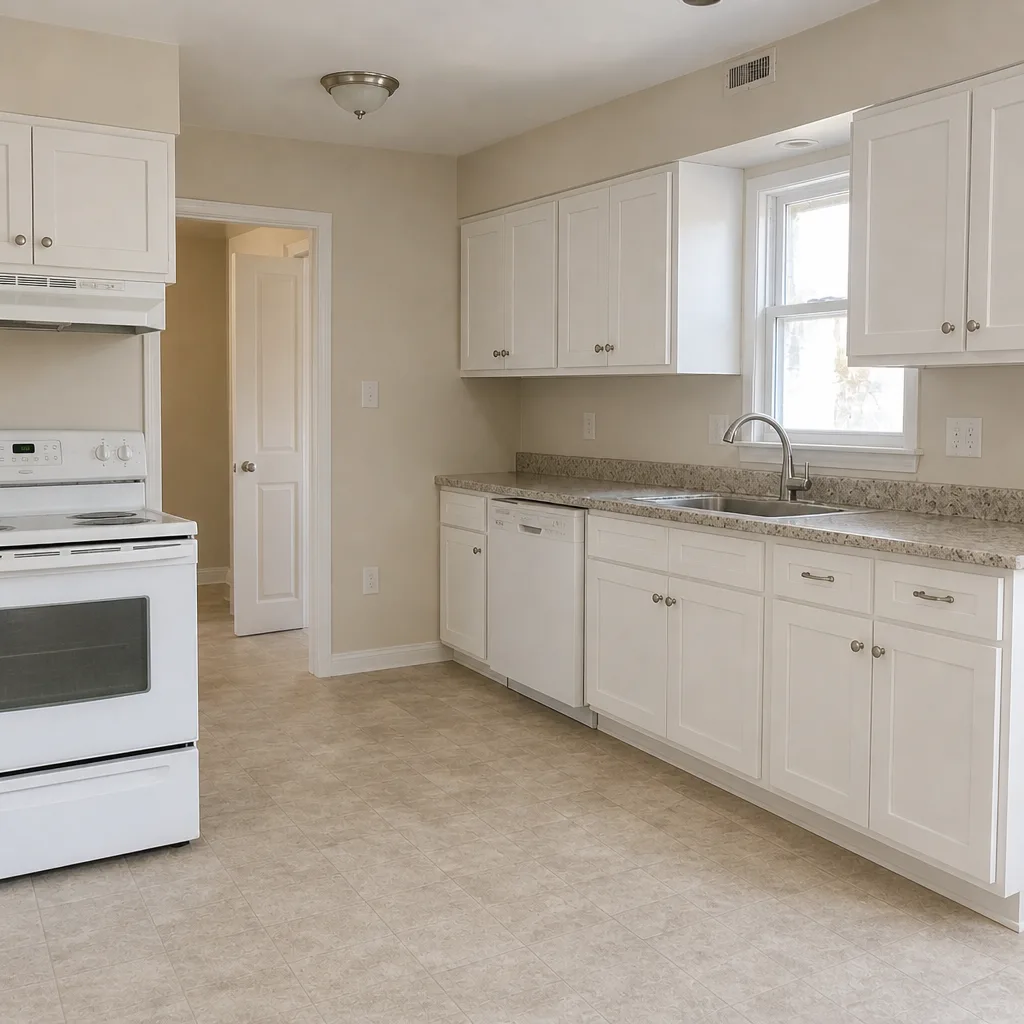
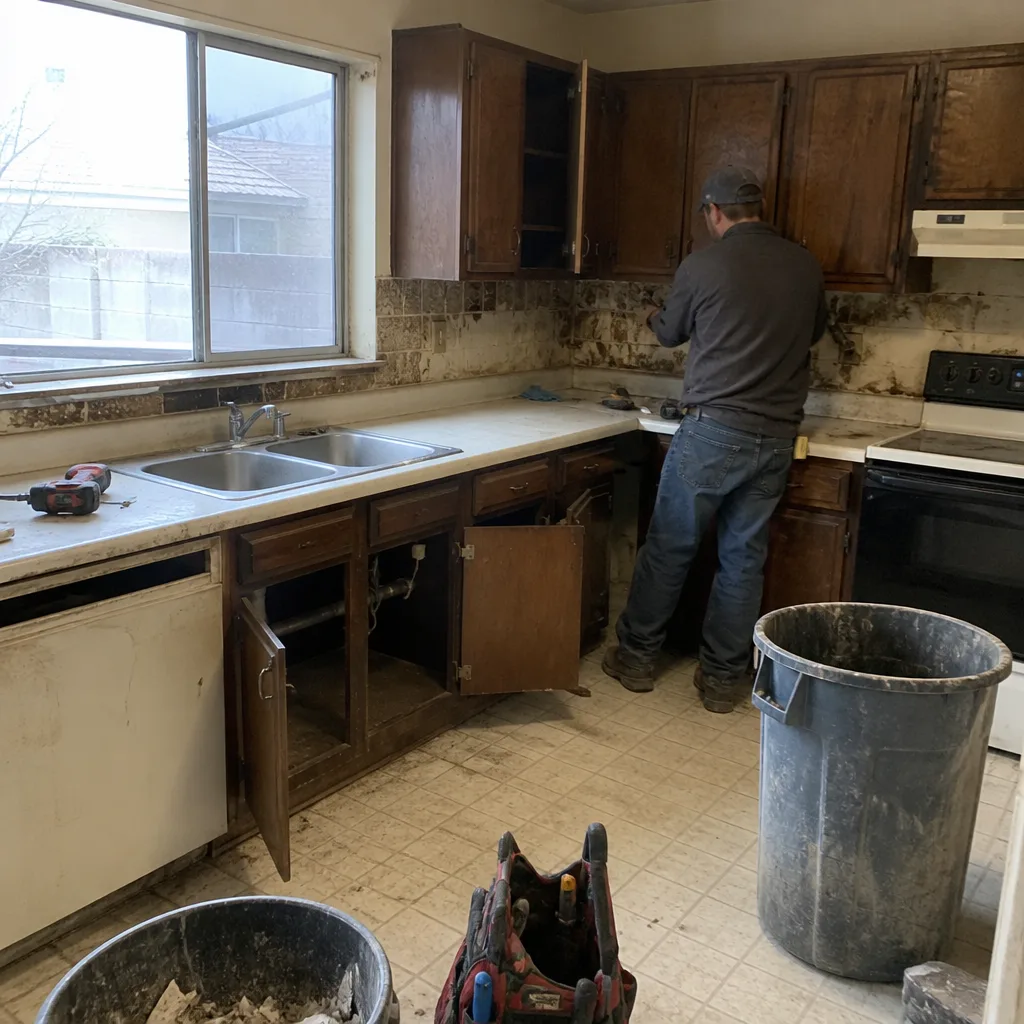
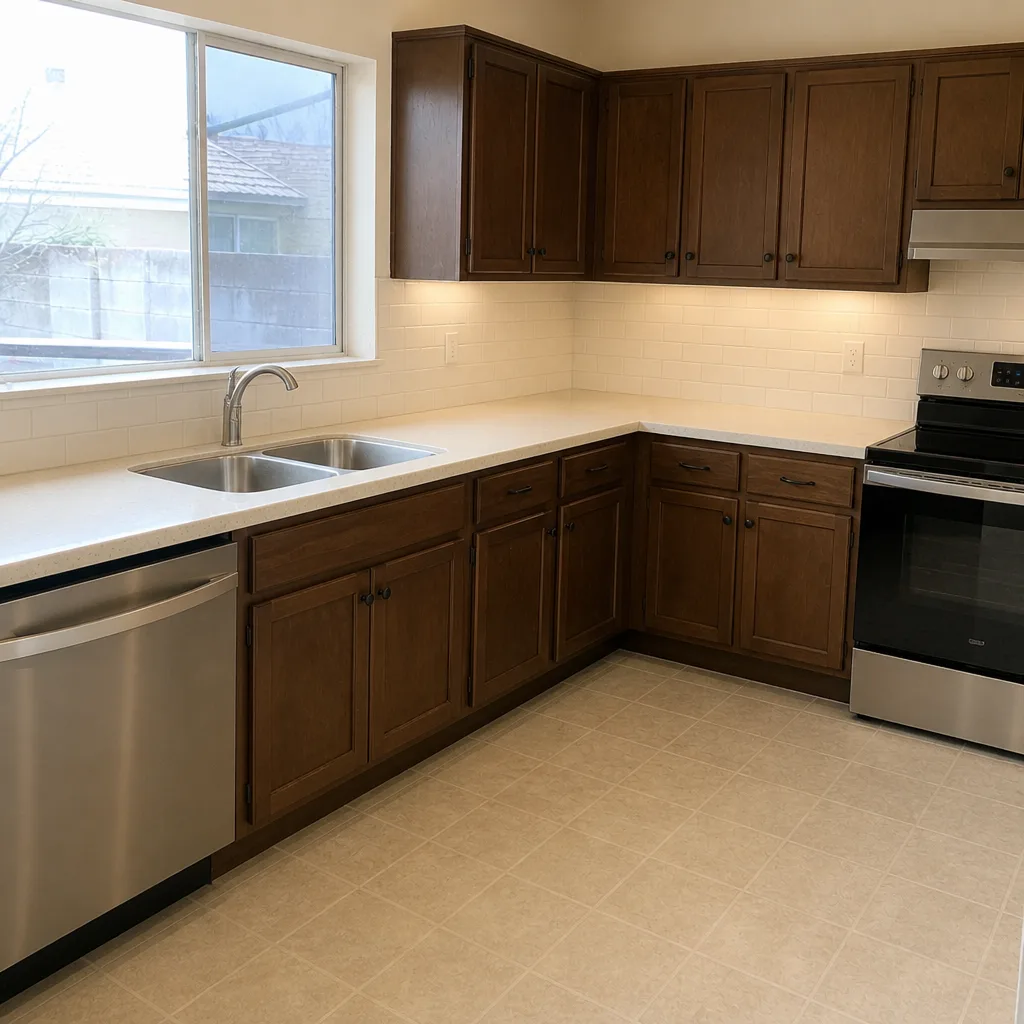
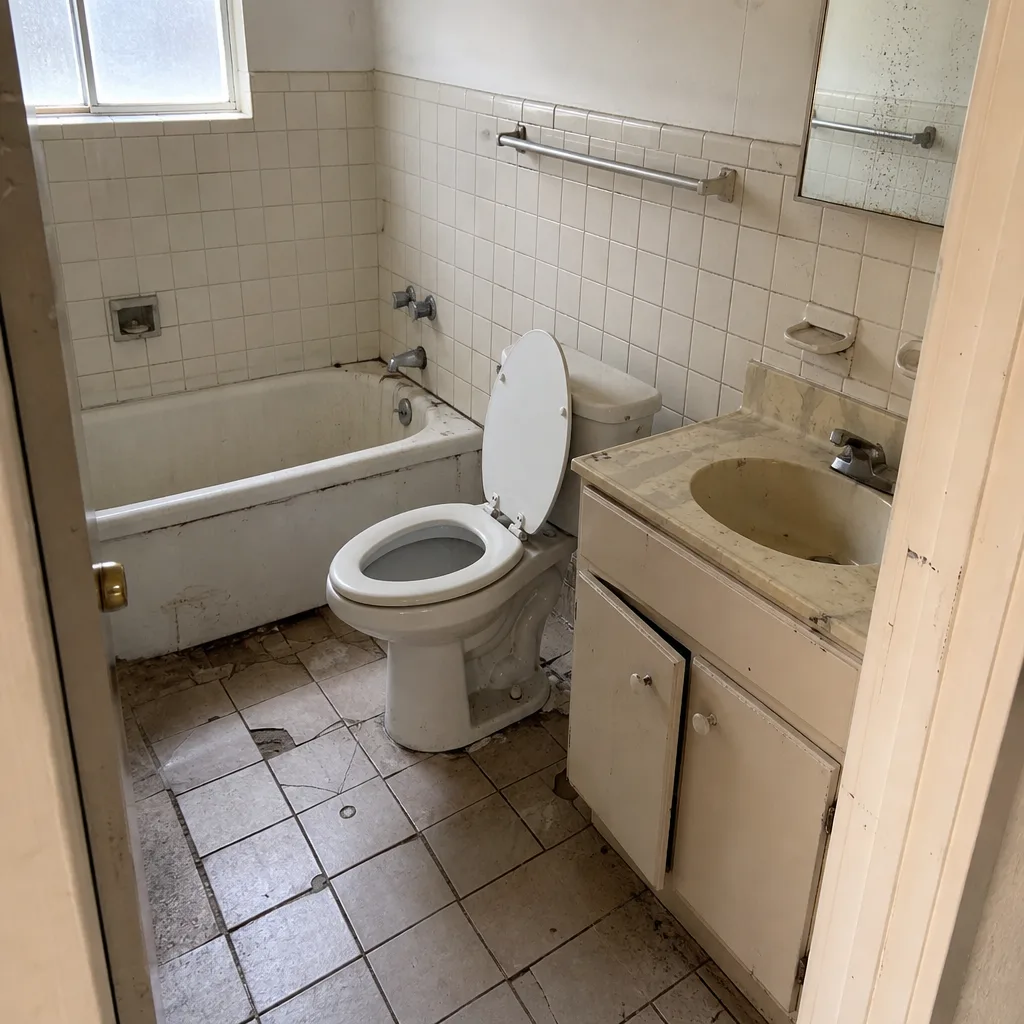
See the difference
 Before
 After
 Before
 After
 Before
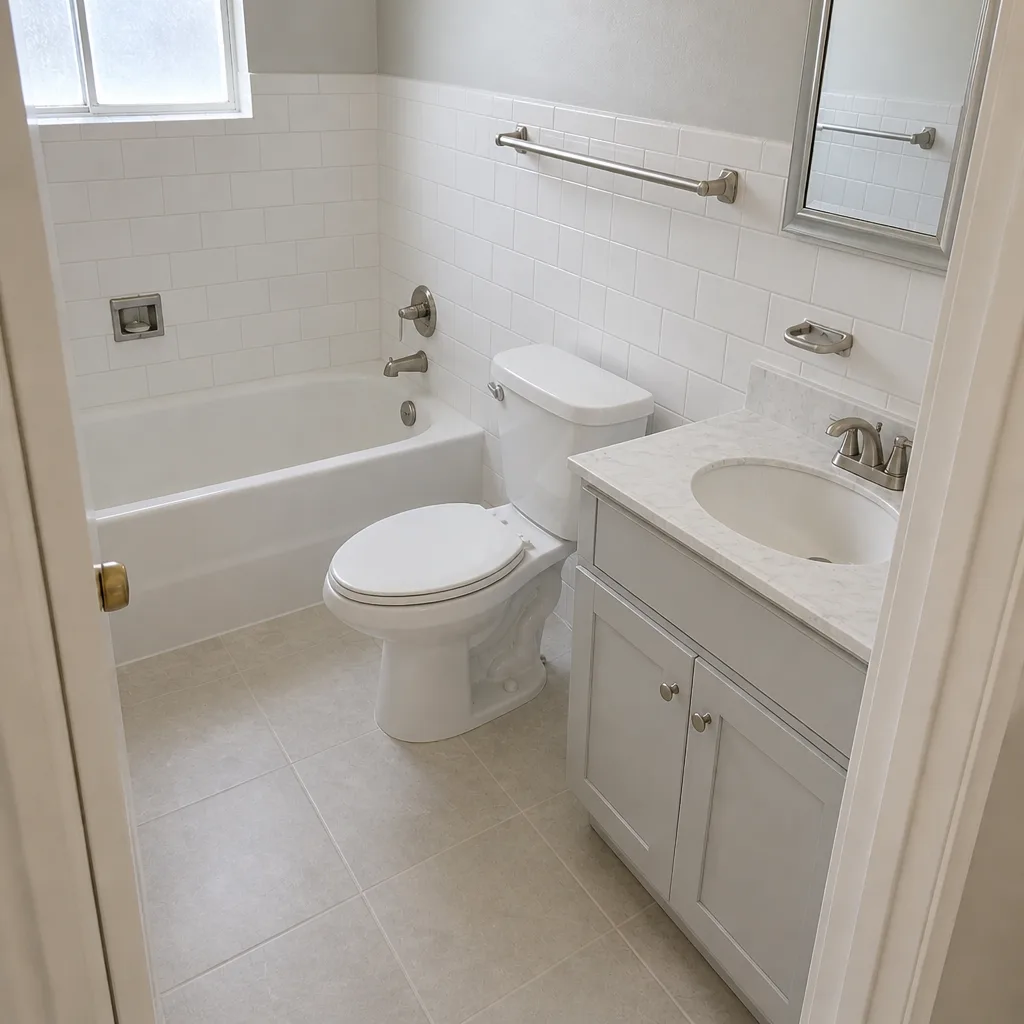 After
When to Call a Professional
Call a licensed contractor whenever the work touches structural elements, plumbing, electrical, roofing, or permitted scope of any kind. If a previous contractor left mid-job, if the paperwork isn’t in writing, or if your current bid has no clear scope, stop and get a second written price before doing anything else. Cases involving a bond claim or a mechanics’ lien should go to the Nevada State Contractors Board and, if needed, an attorney, before a new contractor starts work. And if a bid is unusually low in a Mesquite market that has real material costs, get a second quote before you assume it’s a deal.
Mason Remodeling Mesquite offers free estimates in Mesquite, with a written price and clearly stated guarantee terms on every project. Call (844) 797-3609 to schedule yours.
Frequently Asked Questions
The biggest red flags are a contractor who can’t name their insurance carrier on the spot, vague pricing, contract terms built around time and materials and open-ended change orders, and refusal to name subcontractors before signing. Two or more of those together should end the conversation. The rest of this guide covers each in detail, and our Mason Remodeling Mesquite home page is a starting point if you want to compare standards.
Look up the license number on the Nevada State Contractors Board website. Confirm three things: the license is active, the classification matches your project type, and the bond amount is adequate for the scope. Then ask for the certificate of insurance separately and confirm the dates cover your project window. Any of those missing is a real concern.
A bid that comes in well below every other bid has always removed cost somewhere. Most often it’s missing scope, then labor quality, then paperwork (unlicensed, unbonded, uninsured). Ask for the line-item breakdown and a written statement of what’s excluded. That comparison usually shows the “low” bid was never lower at all.
Yes, and that question is both a safety question and a liability question. If a contractor can’t provide the names and credentials of the crew coming to your property, you don’t know who’s in your home or whether your insurance covers them if something goes wrong. Ask for names and photos before the visit, and background check confirmation in writing. We answer that automatically on every job and introduce the crew by name and photo before the visit.
Yes. We handle general contracting, bathroom remodeling in Mesquite, and whole-home remodeling across the area. Our technicians have up to 22 years of experience, and every project comes with a written price before work starts and a written guarantee with stated terms. Call (844) 797-3609 to schedule a free estimate.
Timelines depend on scope, permits, and inspection scheduling, so a straight answer requires a walkthrough. What should never be uncertain is the price. Our written price is delivered before work begins, and change orders require written approval with the cost stated up front, so the final bill matches the agreed scope. If something isn’t right within 365 days of completion, we come back and make it right at no cost to you. Call (844) 797-3609 for a free estimate and a specific timeline for your job.
The Bottom Line
Red flags don’t usually show up as catastrophes. They’re the carrier name that won’t come up, the bid that doesn’t add up, the missing written price, the subcontractor nobody can identify. Learn to read them in the first conversation and the first document, and you’ll usually avoid the problem entirely. Ask for the license, the bond, the insurance certificate, the named subs, and the written price. Ask who’s coming to your home and how you’ll recognize them. A contractor who answers all of that without hesitation is the one worth your deposit. A contractor who can’t, isn’t.
Ready to compare a written price before you commit? Call (844) 797-3609 to schedule your free estimate from Mason Remodeling Mesquite. A live person answers every call, and your price comes in writing before any work starts.
Written by the team at Mason Remodeling Mesquite.