Last updated November 17, 2026






Free written scope consultation - allowances, timeline, and change-order rules on paper before a single trade is scheduled
Bathroom Remodeling Warning Signs Every Homeowner Should Know
By the time you see a tile crack or smell mold in a remodeled bathroom, the work that caused it was done weeks earlier. That’s the uncomfortable truth about bathroom projects: waterproofing, substrate, and rough-in plumbing are all permanently hidden behind tile and drywall the moment the job wraps. A bathroom remodel generates more post-project disputes than a kitchen remodel for exactly this reason. The difference between a bathroom that lasts thirty years and one that fails in eighteen months is almost always decided while the walls are still open. In Mesquite, where hard water and desert temperature swings stress building assemblies in ways most coastal remodels never face, that margin for error gets even thinner. This guide covers the warning signs worth watching during construction, not after.
Quick Answer
The biggest bathroom remodeling red flags are hidden-work shortcuts: missing or improperly installed waterproofing membranes behind shower tile, backer board installed with gaps or without mesh tape at seams, a shower pan that doesn’t slope to the drain, work that proceeds without a posted Clark County permit, and crews who can’t tell you what product is going behind the tile. If you can’t get a straight answer on those five points before tile goes up, stop the job and ask.
Styles & brands we work with
- Kitchen remodeling
- Bathroom remodeling
- Home additions & ADU
- Roofing
- Windows & doors
- Driveway & pavers
- Fence
Table of Contents
- The Five Things to Verify Before Tile Goes on Any Shower Wall
- Permit and Inspection Red Flags in Clark County
- Crew and Scheduling Red Flags
- Bid Document Warning Signs Specific to Bathrooms
- How to Document In-Progress Work With Photos
- Why Mesquite’s Climate Makes Bathroom Failures Worse
- Common Mistakes to Avoid
- Frequently Asked Questions
The Five Things to Verify Before Tile Goes on Any Shower Wall
Everything that determines whether a shower survives the next decade happens before the first tile is set. Once it’s covered, you can’t inspect it without tearing out the job. Here’s what to check, in order, before your contractor closes up the walls.
- Substrate type. Cement backer board, a tile-ready foam board like Schluter Kerdi-Board or Wedi, or a bonded membrane system are all acceptable. What’s not acceptable: green drywall behind tile in a wet area, or regular drywall masquerading as “tile board.” Ask for the exact product name and manufacturer, and photograph the label.
- Waterproofing membrane. A substrate is not waterproofing. The membrane – either a liquid-applied roll-on like RedGard or Mapelastic, or a sheet membrane like Kerdi or Hydro Ban – is what makes the shower truly watertight. Ask which product is being used, and look for it installed per manufacturer spec: liquid membranes need two coats at the stated thickness, sheet membranes need proper overlapping seams.
- Shower pan slope. The preslope under a traditional mortar-bed shower must slope at least 1/4 inch per foot toward the drain. Foam pan systems come pre-sloped. If you see a perfectly flat surface under the pan liner, water will pool and eventually find its way down.
- Backer board gaps. Panels should have a 1/8-inch gap between sheets, filled with thinset and mesh tape, and a 1/8-inch gap where the board meets the pan or tub deck (filled with sealant, not grout). Tightly butted panels crack along seams; panels touching the pan wick water.
- Drain flange height. The drain flange should sit flush with the finished tile surface. Too high and water pools at the drain; too low and the weepholes get clogged with mortar. Ask your contractor to confirm weepholes are open and protected before the mud bed goes down.
If your contractor can’t walk you through all five of these in plain language, that’s the warning sign. A good builder will happily explain them because they know the answer protects them too. Our technicians have up to 22 years of experience with these assemblies, and we still photograph every stage.
Permit and Inspection Red Flags in Clark County
Bathroom remodels in Mesquite fall under Clark County building jurisdiction, and a shower replacement that changes plumbing or moves fixtures almost always requires a permit. Skipped permits are one of the most reliable predictors of a bathroom that fails inspection later – often at resale, when a title company flags unpermitted work and the buyer’s inspector finds it.
Here’s what to watch for during your project:
- No permit posted. Clark County requires the permit be visible on-site. If nobody’s posted one by day three, ask why.
- No inspection scheduled for waterproofing. Many jurisdictions now require a waterproofing inspection before tile. If your contractor skips it and installs tile the same week, you’ve lost your last chance to catch membrane failures.
- Rough-in electrical and plumbing not inspected. New GFCI outlets, exhaust fan rewiring, and relocated plumbing all need inspection before walls close.
- The “we don’t need a permit for tile work” excuse. Sometimes true for cosmetic tile only. Rarely true once a valve, drain, or wall gets moved. Get the answer in writing.
In our Mesquite work, the most common permit problem we see isn’t skipped permits for the whole job – it’s partial permits, where the vanity and electrical are pulled but the shower isn’t. That gap puts the most water-sensitive assembly in the room outside inspection coverage.
Crew and Scheduling Red Flags
Who shows up at your door and whether you can identify them matters as much as what they build. In bathrooms, where a single crew is in your home for two to four weeks, the crew itself is part of the quality equation.
Watch for these signals:
- Rotating unnamed subcontractors. If a new face shows up every few days with no introduction and no consistent lead, you have no way to know who’s accountable for the waterproofing. The Threshold Standard at Mason Remodeling exists for this reason: every crew member is background-checked, identity-verified, and introduced to you by name and photo before the visit, with a photo ID badge at the door.
- No daily progress communication. A bathroom remodel has a schedule. A crew that doesn’t tell you what happened Monday and what’s coming Tuesday is a crew that will surprise you on Friday.
- Tools left overnight without a conversation. Every tradesperson leaves tools sometimes, but if it’s happening daily with no notice, that’s a sign the crew isn’t organizing its work.
- No written price before work starts. Verbal estimates that “grow” at the final invoice are one of the most common complaints we hear from Mesquite homeowners coming off a bad remodel. A written price before any work begins is basic protection.
If your contractor can’t give you a name and a face for the lead on your project, treat that as information.
Bid Document Warning Signs Specific to Bathrooms
A bathroom bid that reads “demo, tile, plumbing, paint – $14,500” is not a bid, it’s a wish. The most reliable way to get hurt in a bathroom remodel is to accept a vague scope document, because every assumption inside it gets resolved in the contractor’s favor at invoicing time. Here’s what a real bathroom bid should contain.
- Waterproofing line items. Look for a specific line naming the waterproofing product and coverage. “Tile work” as a single line is a red flag.
- Tile layout specification. Pattern (running bond, herringbone, large format), grout joint size, tile brand and SKU, and where tile stops and paint begins. “Tile per owner selection” without a labor spec means layout complexity is priced later.
- Substrate listed by product name. “Cement board” is fine. “Backer board” is vague – it could mean green drywall.
- Valve and drain replacements as separate lines. If the bid doesn’t mention the shower valve, expect a surprise charge once the wall opens.
- Exhaust fan spec. Bathrooms need a fan rated to the room’s cubic footage. A code-minimum fan (usually 50-80 CFM) in a large shower room is a moisture problem waiting three years down the road.
- Written change-order process. How does the contractor price a change after the job starts? If the bid is silent, assume the worst case.
Specification-grade material partners make this easier. When your bid names KraftMaid or Wellborn cabinetry, Cambria or Silestone surfaces, and Kohler or Moen fixtures, you can compare apples to apples and know what’s actually being installed.
How to Document In-Progress Work With Photos
If a waterproofing or substrate dispute arises after the job is finished, your best evidence is a photos file with timestamps. A simple system takes ten minutes a week and can save you thousands.
- Start a folder on your phone labeled with the project and address. Name files by stage: “01-demo,” “02-framing,” “03-rough-plumbing,” and so on.
- Photograph every wall before it closes. All four sides of the shower, tub alcove, vanity wall, and toilet wall. Include a tape measure or a coin for scale if you’re documenting a gap or slope.
- Photograph product labels. The waterproofing bucket, the backer board bundle label, the thinset bag. Product labels prove what was installed.
- Photograph the shower pan preslope before the liner. Put a level on it and photograph the bubble. This is the single most-cited piece of evidence in water-damage disputes.
- Photograph each inspection card and signature. If the county signed off on rough-in, keep proof.
- Save a copy off your phone. Cloud backup or email them to yourself. Phones get replaced, drop in water, and lose photos.
We build photo documentation into our process for this reason: when we hand off a finished bathroom in Mesquite, the homeowner has a file to match. If something fails within the first year, we return for a free second visit and there’s no dispute about what was underneath.
Why Mesquite’s Climate Makes Bathroom Failures Worse
Mesquite sits in the Mojave at roughly 1,600 feet, and the desert climate does two things to bathrooms that coastal guides never mention. First, the extreme swing between outdoor heat and indoor cooling creates differential movement in tile assemblies. A 110-degree day with the interior at 75 means every wall assembly is contracting and expanding daily, which is why flexible sealant at movement joints is more important here than most builders realize.
Second, Mesquite’s water runs hard. Mineral content in local water creates scale on shower glass, grout lines, and drain flanges. Hard water alone won’t fail a bathroom, but it exaggerates every weakness: a poorly sloped pan shows standing water because the scale traps it; a small grout void becomes a visible stain in six months instead of three years. We’ve seen Mesquite showers where the only visible symptom of a failed membrane was a dark grout trail running along the base of the curb – and by then, the curb was already saturated.
If your Mesquite home is on a slab, another local detail: plumbing slab penetrations for the shower drain need proper membrane collar continuity. Desert soil movement stresses the drain connection more than most, and if the collar isn’t sealed onto the substrate, you get a slow leak under the slab that shows up as a warm spot – or worse, a foundation issue.
Common Mistakes to Avoid
- Approving tile work without seeing the waterproofing membrane. Once the tile is on, you can’t verify. Ask to see the membrane at least once before it’s covered.
- Accepting a verbal estimate on a bathroom project. Even a single “we’ll figure out the plumbing once we open it” line can add thousands. A written price before work starts is standard for any serious Mesquite remodeler.
- Skipping the waterproofing inspection because the contractor says it’s “not required.” Even when not mandated, it’s your last look at hidden work.
- Assuming tile cracks mean the tile is bad. Tile cracks usually mean movement under it – a substrate or framing issue. The fix isn’t re-grouting; it’s the assembly underneath.
- Letting the exhaust fan stay at code minimum in a large shower room. In Mesquite’s dry air the fan seems optional, but residual moisture after every shower still needs to leave the room. Size the fan to the space.
- Not checking that the shower pan has both a preslope and a weep-hole protection layer. This is a two-part system. One part alone is a slow failure.
- Failing to confirm the crew. A stranger at the door is a stranger at the door. Ask for name and photo before the visit, and expect a photo ID badge – that’s what we do on every Mesquite project.
See the difference
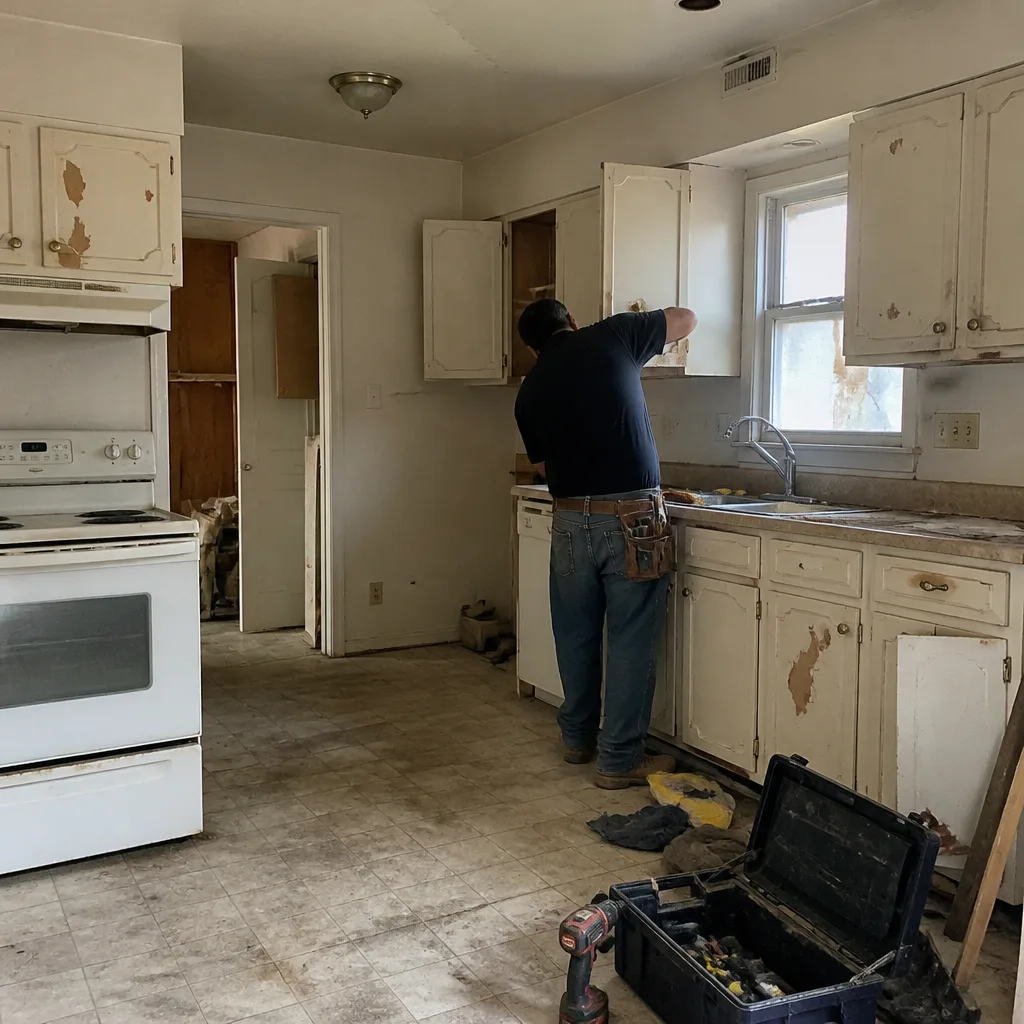 Before
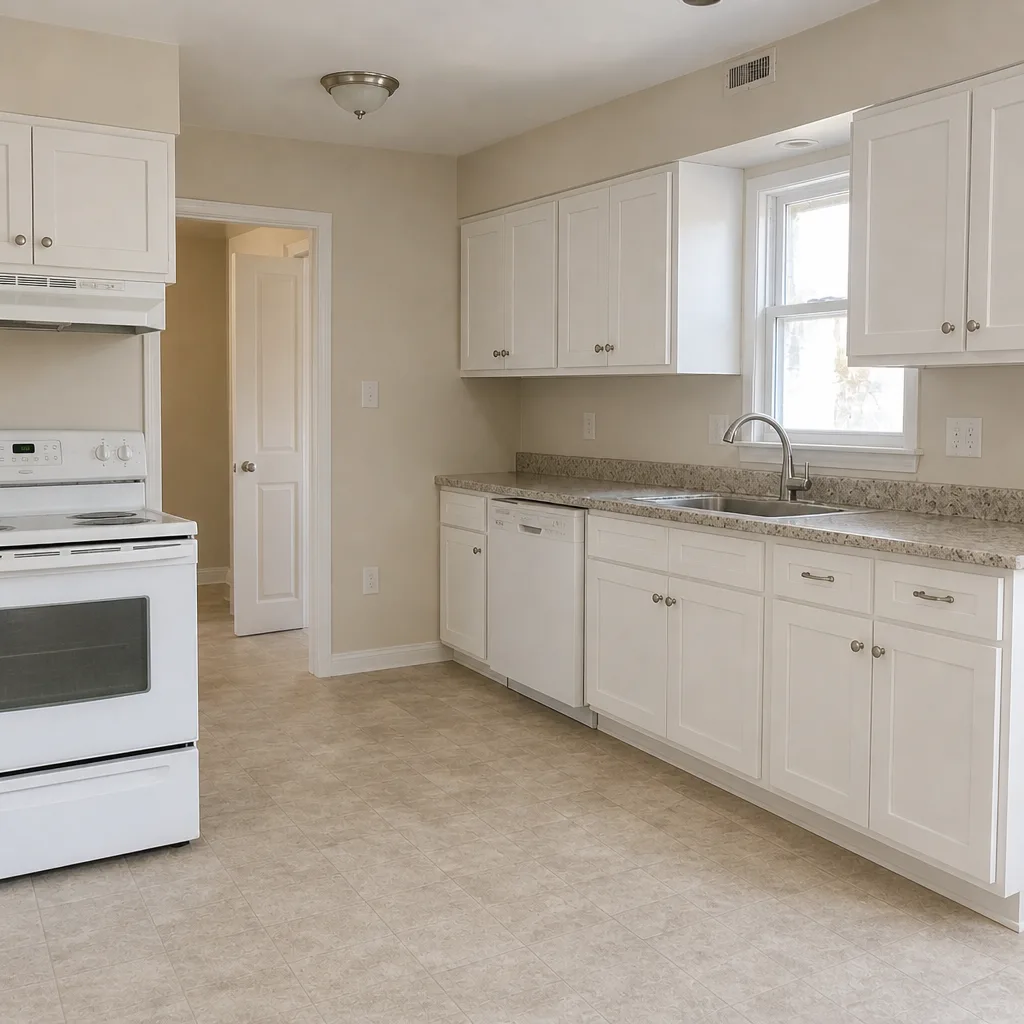 After
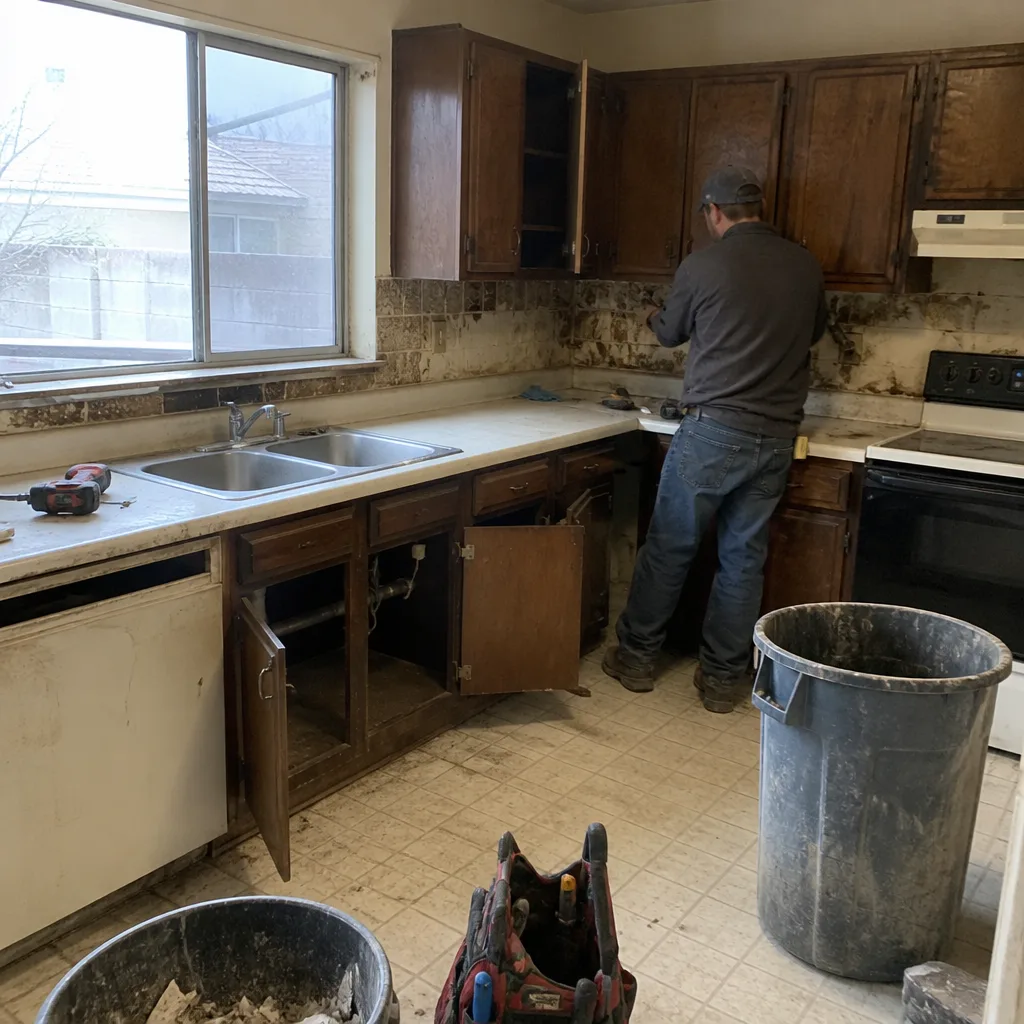 Before
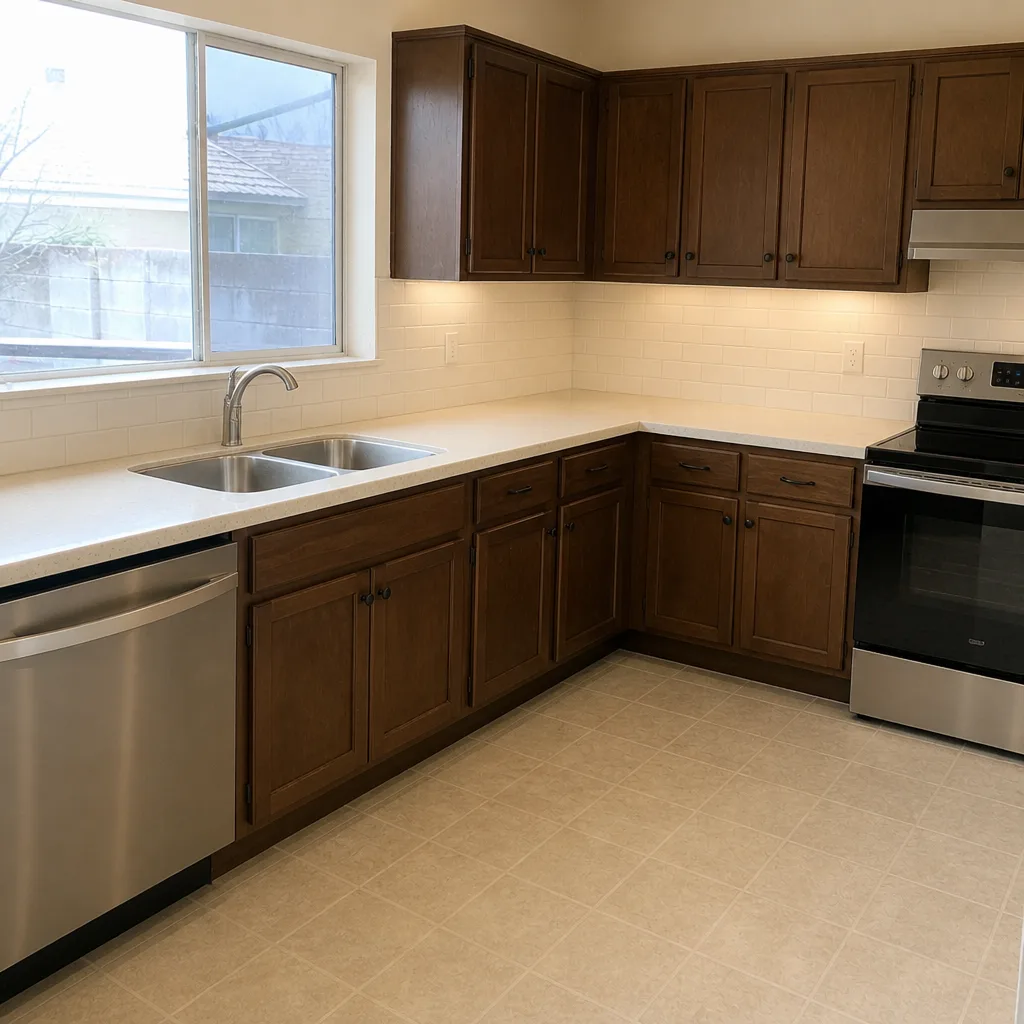 After
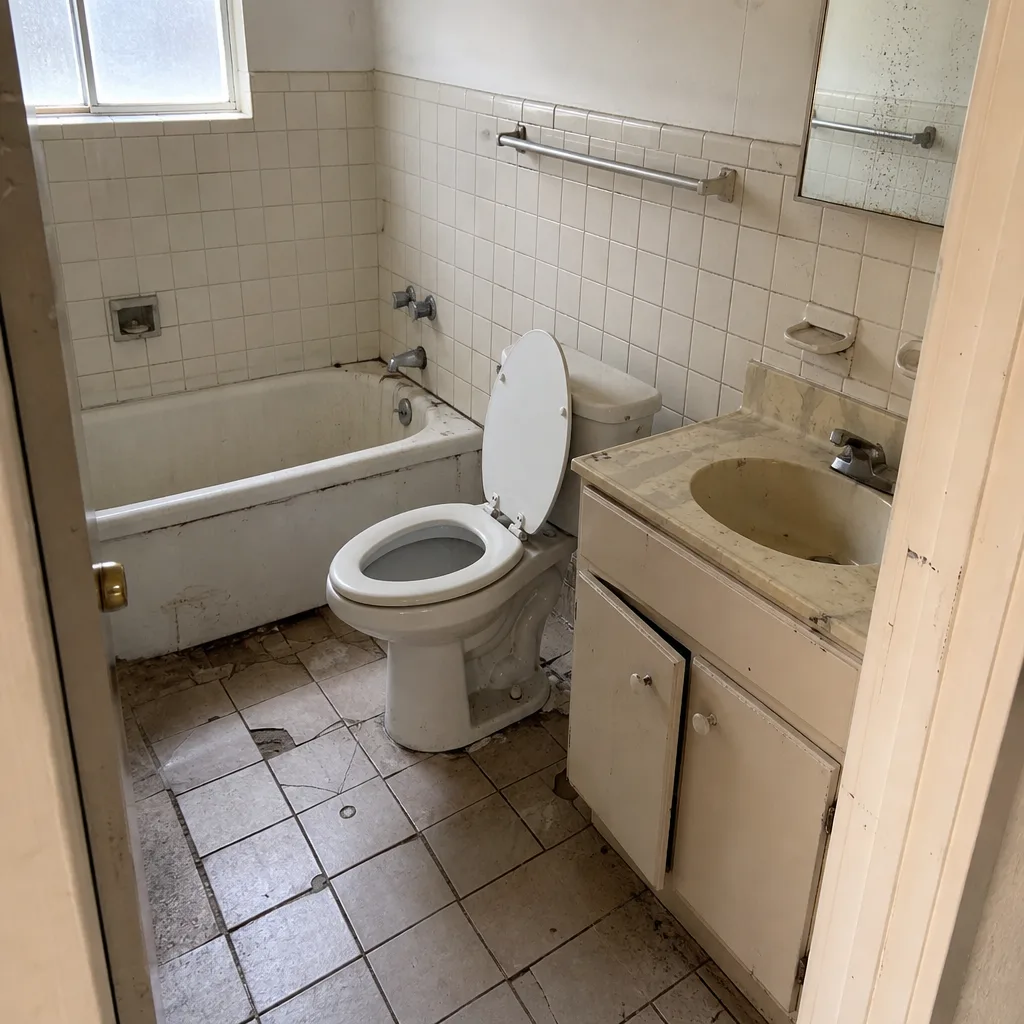 Before
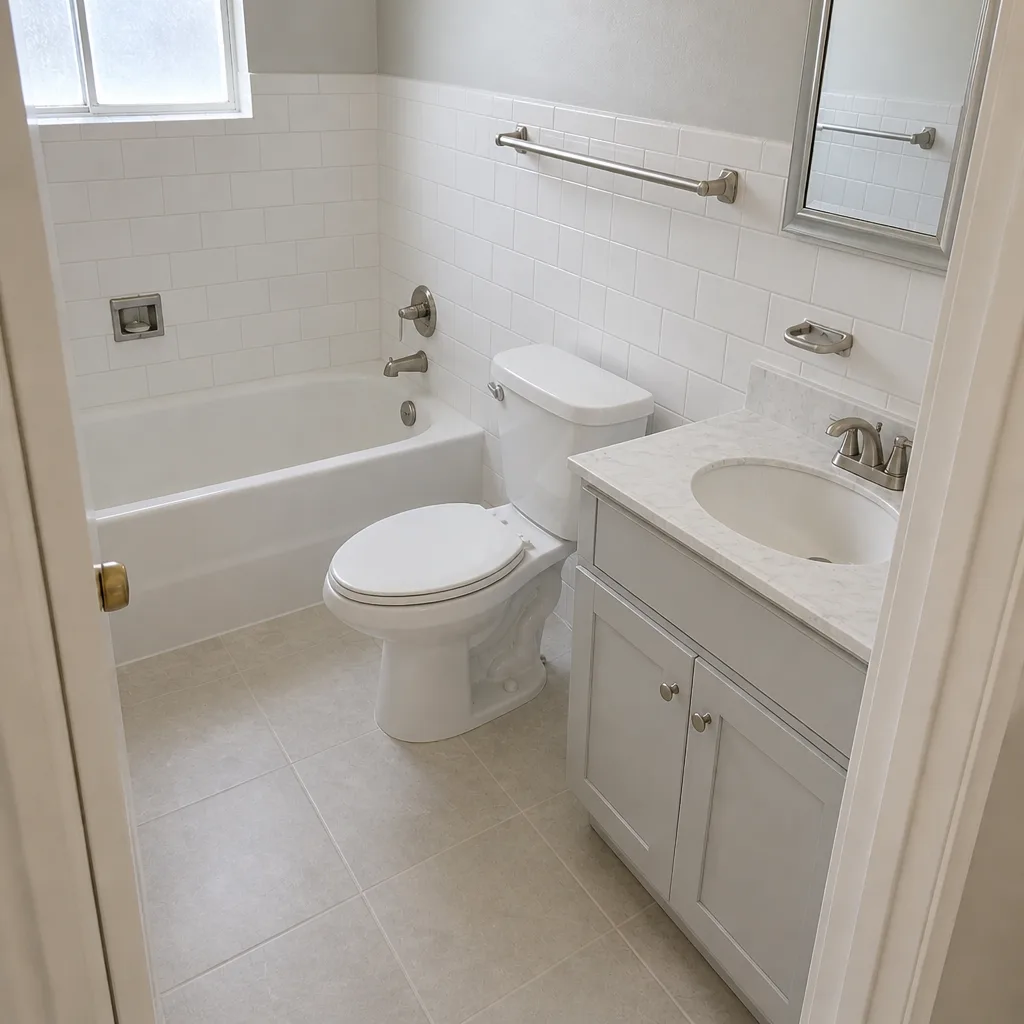 After
When to Call a Professional
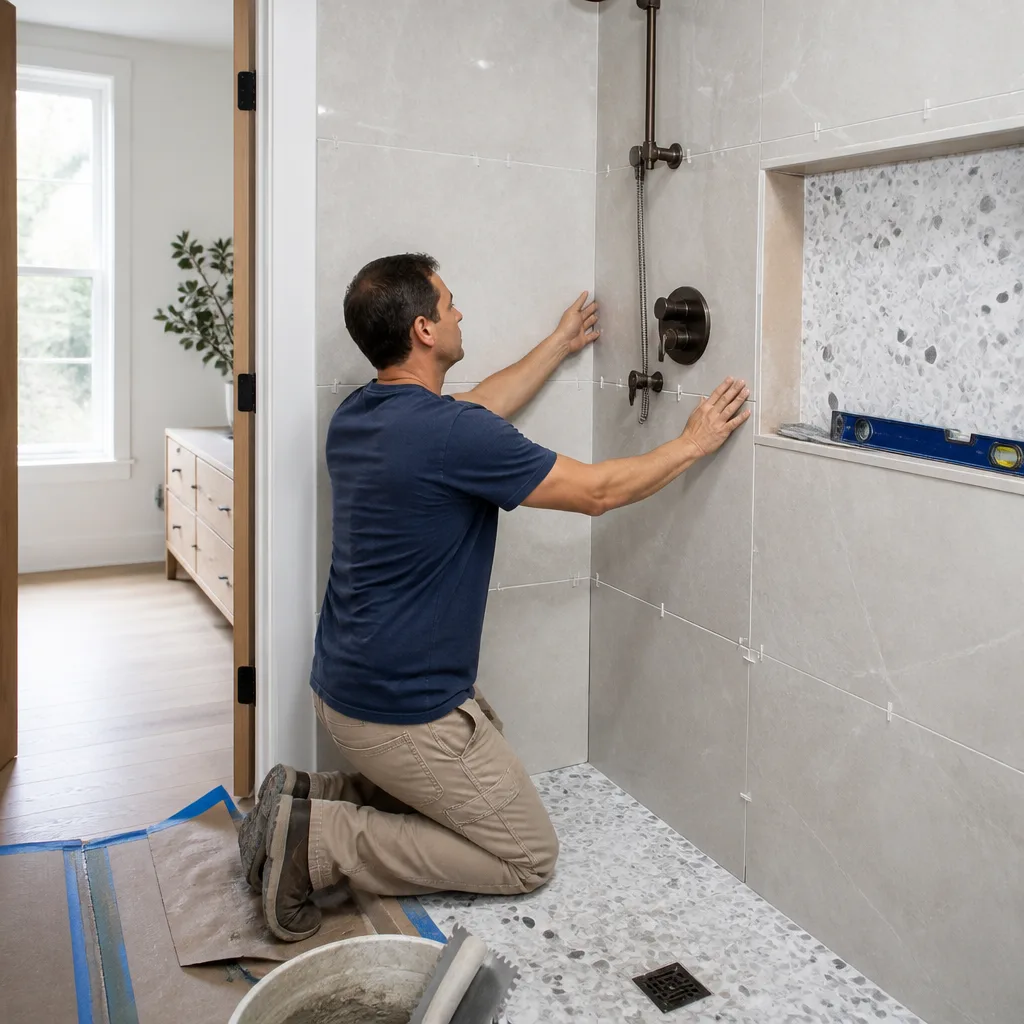
Some bathroom warning signs you can observe as an informed homeowner. Others need a trained eye before damage compounds. Call a professional when: you smell mold or mildew that returns after cleaning; you see efflorescence (white powder) on grout or the base of a wall; tile sounds hollow when tapped; a shower pan drains slowly or water pools; a tile edge has lifted; a bathroom renovation bid uses vague “tile work” wording with no waterproofing line; or your existing bathroom is more than 15 years old and you’re starting to plan.
For bathroom remodel planning in Mesquite, the right first step is a free written estimate rather than a guess. Mason Remodeling Mesquite offers free estimates in Mesquite – call (844) 797-3609. We’ll walk you through what’s underneath before anything gets covered.
Frequently Asked Questions
The most common red flags are missing or vague waterproofing in the bid, work proceeding without a posted Clark County permit, backer board installed with no mesh tape at the seams, a shower pan that wasn’t sloped toward the drain, rotating unnamed subcontractors, and no written price before work begins. Each of these hides a problem that surfaces months or years later, when tile and drywall make it expensive to fix.
You can tell correctly installed waterproofing was used by asking three questions before tile goes on: what product (membrane brand and type), what thickness (for liquid membranes), and how the seams and drain flange were treated. Photograph the membrane installed, the product label, and the shower pan preslope with a level on it. In Mesquite, where hard water and desert thermal movement stress the assembly daily, these photos are your best protection.
In most cases, yes. A full bathroom remodel that moves plumbing, electrical, or wall framing requires a Clark County building permit and rough-in inspections. Cosmetic replacements – tile only, same footprint, no plumbing change – sometimes don’t need a permit, but the answer depends on the specific scope. Ask your contractor in writing before work starts; if they say “no permit needed” and the scope includes plumbing or electrical, get a second opinion.
A typical full bathroom remodel takes four to six weeks. A shower replacement only takes two to three weeks. Tile work with complex patterns (herringbone, large-format with epoxy grout) adds time. The warning sign is not the total schedule but the absence of one: a written schedule with milestones and a daily progress log is standard for a competent remodeler.
A serious bathroom bid includes line items for waterproofing (with product name), substrate type, tile layout spec with brand and SKU, shower valve and drain replacements, exhaust fan CFM rating, permit responsibility, and the written change-order process. “Tile work” as a single line is not a bid – it’s an invitation to a change order. A written price before any work starts should be the standard, not an upgrade.
The strongest signs are: no written price before work starts, no permit posted, no clear name and photo of who will be on site, no written guarantee or warranty terms, and vague answers when you ask what’s going behind the tile. In Mesquite, homeowners often spot this pattern mid-project. If you’re already in one, call (844) 797-3609 and a professional can help you sort out what’s actually been installed.
The Bottom Line

Bathroom remodeling warning signs are visible during construction, not after. The five points to verify before tile goes on – substrate, membrane, slope, gaps, drain flange – determine whether your bathroom lasts thirty years or eighteen months. Permits, named and verified crews, and a written bid with waterproofing line items protect you before the first wall opens. The documentation habits matter as much as the construction itself: photos of the membrane, the pan preslope, and every product label are your evidence if a dispute starts a year from now.
If you’re at the planning stage for a bathroom in Mesquite, or looking at warning signs on a project in progress, a free written estimate is the lowest-risk first step. Call Mason Remodeling Mesquite at (844) 797-3609. A crew will arrive with a name, photo, and photo ID badge, the price will be in writing before any tool is unpacked, and the work is backed by our 365-Day Done Right Promise – if it’s not right within a year of completion, we make it right at no cost to you.
Explore related services for planning your bathroom alongside a broader home renovation:
- General contracting for whole-home scope and permit coordination – General Contractor in Mesquite
- Kitchens rely on the same waterproofing discipline – Kitchen Remodeling in Mesquite
- Main bathroom remodeling services – Bathroom Remodeling in Mesquite
- Mason Remodeling Mesquite home base – Mason Remodeling Mesquite home
Written by the team at Mason Remodeling Mesquite.