Last updated November 17, 2026





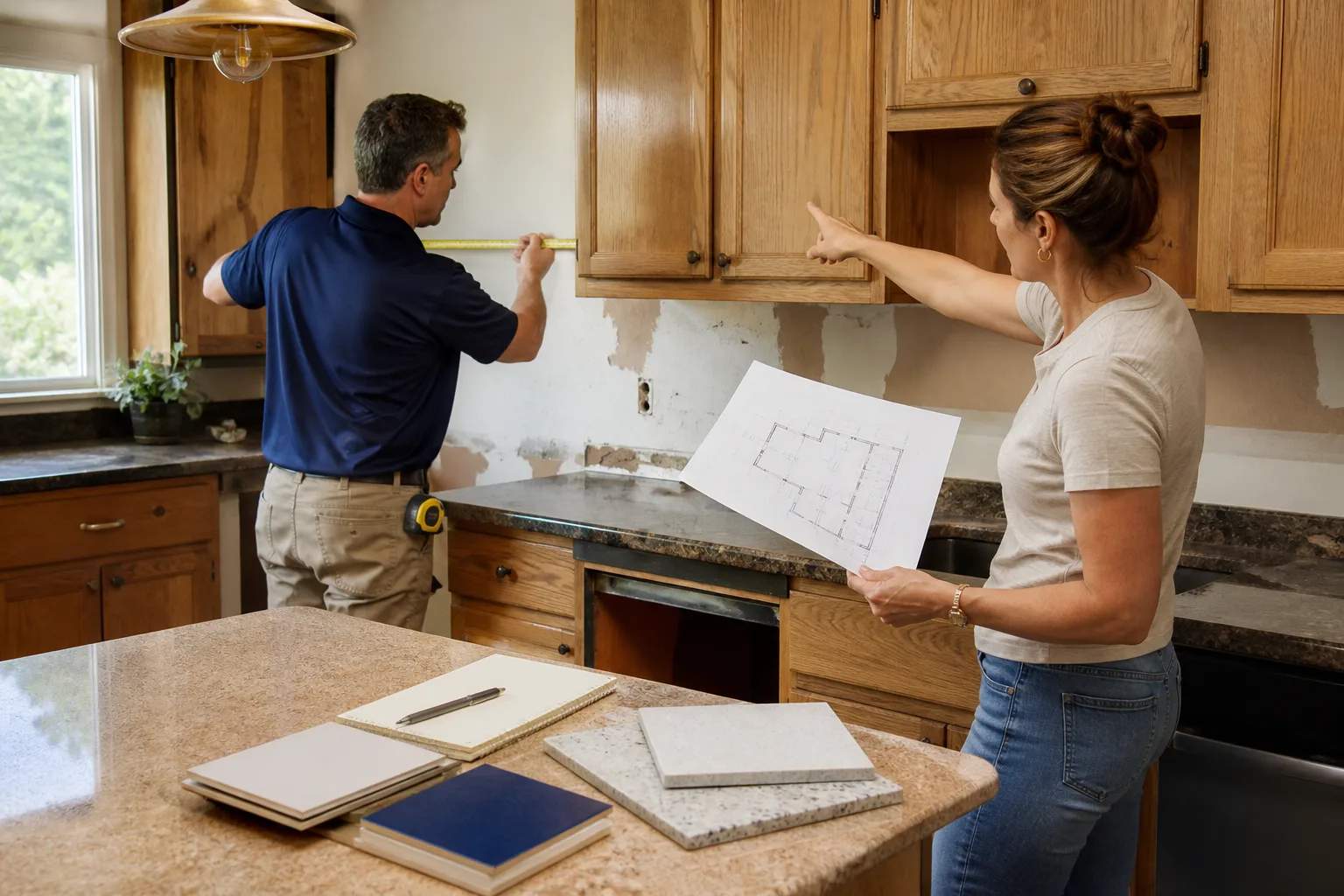
Free written scope consultation - allowances, timeline, and change-order rules on paper before a single trade is scheduled
DIY vs Professional General Contractor: What’s Safe to Do Yourself
Unpermitted DIY work is one of the most common reasons home sales fall apart at the inspection stage in Nevada, and “I did it myself” does not satisfy a buyer’s lender when it requires a licensed sign-off. That’s the uncomfortable truth most DIY-versus-hire conversations skip past. This guide draws the line at liability, not ability. Your skill level is only half the decision; the other half is permits, insurance, and what a future appraisal will say about the work. Whether you’re in a newer build off Riverside Road or a resale property near the Oasis, Mesquite homeowners face the same math. We’ll walk through what’s genuinely safe to handle yourself and what isn’t.
Quick Answer
Painting, finish carpentry, cosmetic demo, and surface swaps are safe for capable DIYers. Anything that touches structure, electrical service, gas lines, plumbing drain reroutes, or a permitted scope requires a licensed contractor in Nevada, regardless of your skill. As a rule: if the work needs a permit or hides behind drywall, hire it out. (844) 797-3609 is the number for a free estimate from Mason Remodeling Mesquite when you want a straight read on your project.
Styles & brands we work with
- Kitchen remodeling
- Bathroom remodeling
- Home additions & ADU
- Roofing
- Windows & doors
- Driveway & pavers
- Fence
Table of Contents
- Why the Decision Is About Liability, Not Skill
- Nevada Permit Thresholds You Need to Know
- The Insurance Gap Nobody Warns You About
- Tasks That Look Simple but Carry Licensed-Trade Liability
- The Resale Math: How Permits Protect Your Equity
- What’s Genuinely Safe to Do Yourself
- Mesquite-Specific Considerations
- How to Vet a Contractor When You Do Hire
Why the Decision Is About Liability, Not Skill
Homeowners often ask us whether they’re “handy enough” to take on a project. That’s the wrong question. The right one is: who is legally on the hook if something fails? A beautifully executed electrical panel swap does not change the fact that an unpermitted panel replacement can complicate a future sale, void a claim, or fail an inspection years after you’ve forgotten the job existed.
In our experience, the hangup is rarely workmanship. Capable DIYers do tidy work. The problem shows up at three points: the permit office, the insurance adjuster, and the buyer’s inspector. Each one evaluates compliance, not craftsmanship.
Consider what our technicians see. Many have up to 22 years of experience, and the recurring complaint is the same: a homeowner did solid work, then discovered the paper trail is missing. That paper trail is what lenders and appraisers read.
There’s also the “invisible failure” problem. Drywall hides what you can’t see. A shower that leaks into a subfloor for two years before it shows up as a stain is a repair that costs more than the original project. If that leak traces back to unpermitted work, the conversation changes entirely.
For Mesquite homeowners specifically, the resale market here includes a meaningful share of buyers relocating from California and other states where permit databases are well-established. They arrive expecting to pull a permit history. When records don’t exist, the work becomes negotiable at the worst possible time. You can browse our Mason Remodeling Mesquite home page for how we approach permitted scopes, but the principle stands whether or not you hire us.
The takeaway is simple. Ability is a hypothesis. Liability is a fact. Plan around the fact.
Nevada Permit Thresholds You Need to Know
Nevada does not have a single statewide magic number that triggers a permit; thresholds vary by jurisdiction and scope. In practice, Mesquite permits are governed by adopted building codes and the Clark County-adjacent standards most local inspectors apply. The safest rule for homeowners: any structural, electrical service, gas, plumbing, or mechanical alteration requires a permit and a licensed contractor, period. Cosmetic work generally does not.
- Structural work. Removing or modifying a load-bearing wall, adding a beam, or altering the footprint almost always requires a permit and a licensed contractor. This is a hard line.
- Electrical. Running new circuits, upgrading a panel, or adding subpanels requires a licensed electrician. Swapping a light fixture on an existing circuit usually does not.
- Plumbing. Replacing a faucet or toilet is typically homeowner-legal. Rerouting a drain line or extending a supply line into a new location is not.
- Gas. Any work on gas lines requires a licensed professional. No exceptions for “it’s just a new range.”
- Mechanical and HVAC. Replacing or relocating a unit and running new ductwork require licensed trades.
Value thresholds also matter. Many homeowner permits are limited to owner-occupied, single-family residences and tie to the owner’s personal labor. Once you hire a helper or the scope crosses a defined value, the homeowner permit no longer applies.
When in doubt, call the building department and describe the work. A two-minute conversation resolves more than a weekend of guessing. It costs nothing.
The Insurance Gap Nobody Warns You About
Most homeowners assume their policy covers accidents from home projects. Often it doesn’t. Standard homeowner policies frequently exclude damage from faulty workmanship, and a claim tied to unpermitted or non-compliant work can be denied or reduced. That’s the insurance gap.
Three scenarios we’ve seen play out in Mesquite and elsewhere:
- Water damage. A DIY drain reroute leaks into a slab or wall cavity. The adjuster traces it to unpermitted plumbing and treats it as faulty workmanship, not an accidental loss.
- Electrical fire. A homeowner adds a circuit, the connection fails, and the resulting fire claim runs into a compliance issue. The stakes are the entire structure.
- Injury to a helper. If a neighbor or relative injures themselves on your job, your policy may treat the incident as a domestic liability matter your homeowner coverage wasn’t designed for.
Licensed contractors carry their own liability coverage and worker protections. That’s a big part of what you’re buying when you hire. Your risk transfers. The contractor’s policy and the general contractor’s oversight sit between you and the loss.
When you hire, ask for a certificate of insurance before work begins. This is not a difficult request, and any professional expects it. For more on how we structure permitted scopes, our General Contractor in Mesquite page walks through the process.
When you DIY, you are the contractor, the insurer, and the warrantor. There is no backstop.
Tasks That Look Simple but Carry Licensed-Trade Liability
Some projects feel like weekend jobs but land firmly in a licensed trade. Here are the top offenders.
Electrical Panel Swaps
Panel replacement is the classic trap. Opening a panel to swap a breaker is different from replacing the panel itself. Panel work touches your service capacity, your grounding, and your meter. It requires a licensed electrician, an inspection, and in most cases a permit. If you’re unsure whether it’s safe, that’s your answer. Electricity kills quietly. Don’t do it yourself; call an electrician.
Moving a Load-Bearing Wall
A wall that carries load above it cannot be removed without engineered alternatives, usually a beam sized by a professional and permitted accordingly. The failure mode is slow: a sagging floor or sticking door months later. This is beyond any homeowner scope, no matter how the wall looks.
Rerouting Drain Lines
Moving a sink or toilet across a room means rerouting the drain, which means slope calculations, venting, and code compliance. A DIY job that looks correct can produce gurgling, slow drains, or a smell you can’t chase down. This is not a fixable-with-caulk problem.
Gas and HVAC
Gas connections and HVAC refrigerant work are handled by licensed trades for good reason. Skip the DIY tutorial on these.
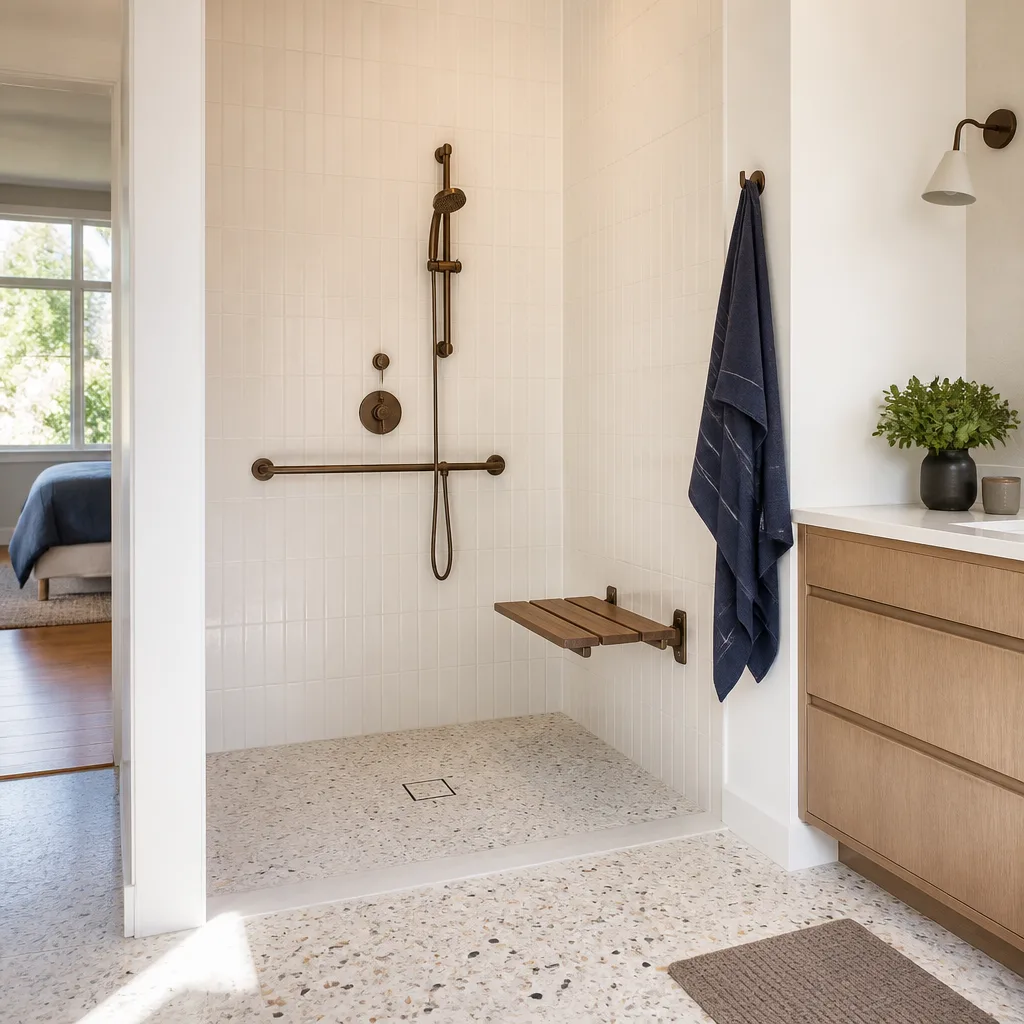
We handle these scopes through permitted channels on projects like our Bathroom Remodeling in Mesquite work, where the drain and vent work is the part that never shows in the finished photo but matters most.
The Resale Math: How Permits Protect Your Equity
This is where the arithmetic gets uncomfortable. Unpermitted improvements can reduce appraisal value by more than the original project cost, because the buyer’s lender and appraiser treat unpermitted work as a defect to be corrected or credited.
Here’s the pattern we see:
- The homeowner completes a permitted-required project for a dollar figure.
- Years later, the project isn’t in any permit database.
- At inspection, the buyer’s agent flags it. The lender wants documentation or a licensed sign-off.
- To close, the seller credits the buyer for demo and redo. The credit exceeds the original cost in many cases.
The math is brutal. You paid once to build it, then again to settle it as a credit. That’s the resale trap.
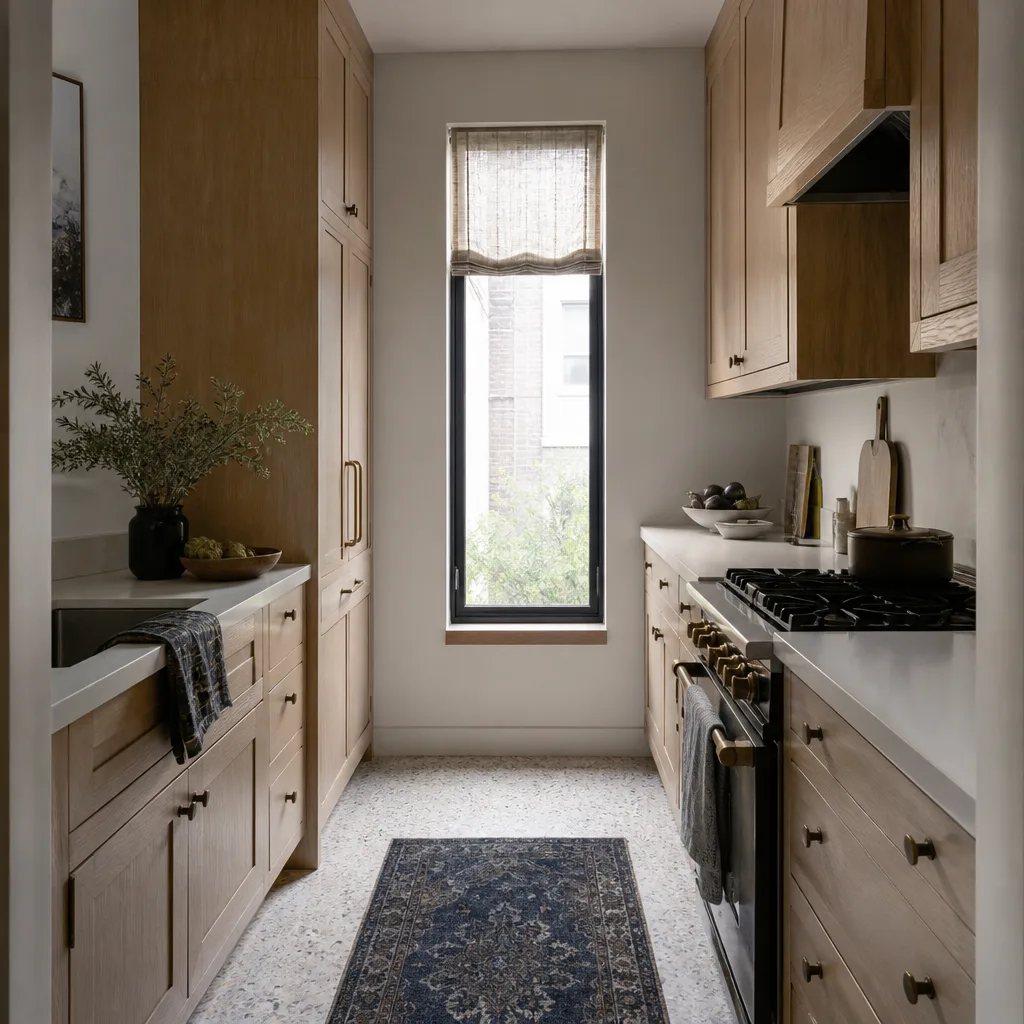
Kitchens illustrate it vividly. A homeowner swaps a range, reroutes a gas line for a new cooktop, and skips the permit. At resale, the gas work flags. The credit lands on the transaction. Our Kitchen Remodeling in Mesquite page covers how permitted kitchen scopes protect value, including the surfaces and cabinetry selections that appraisers credit consistently.
Appliances and cabinet hardware don’t trigger inspection. The gas line behind the range does. That’s the whole difference.
When budgeting, treat permit cost and inspection time as part of the project, not overhead. It’s the cheapest insurance on your resale. And it’s the difference between a value-add and a liability.
What’s Genuinely Safe to Do Yourself
Plenty is safe. Here’s where capable homeowners should feel confident.
- Painting. Interior and exterior painting, including trim and cabinetry faces, is well within reach. Proper prep matters more than technique. Flat paints hide imperfections; semi-gloss cleans up but shows every ridge.
- Finish carpentry. Baseboards, shoe molding, crown, and window casings. If it’s decorative and doesn’t carry load, it’s yours.
- Non-structural demo. Removing old cabinets, tearing out carpet, pulling dated tile, and stripping a layer of flooring. Keep it away from structure, electrical, and plumbing, and always treat any wall or ceiling contents as if they might hide systems.
- Surface swaps. Replacing faucets, toilets, light fixtures on existing circuits, hardware, and fixtures. Assume you know nothing until you’ve turned off the supply and the breaker.
- Closet and storage systems. Shelving, organization systems, non-load-bearing built-ins.
The line is easy to hold if you ask two questions. Does the work require a permit? Is it load or system work? Two “no” answers usually mean it’s safe to DIY. A “yes” on either is your signal to call.
Mesquite-Specific Considerations
Mesquite’s climate adds a wrinkle. The low-desert heat and dry air put real stress on exterior coatings, caulk, and sealants. A DIY exterior paint job prepped without attention to texture and surface prep can fail within a season in the summer heat, especially on south-facing exposures. That’s not a quality issue; it’s a material and prep issue.
Roofing is another local consideration. The sun does real damage to shingles and flat roof membranes, and storm season can push water into places that fail fast. Roof repair and replacement are hazard work. If your roof needs attention, call a licensed roofer. Roofs are not a DIY category in Mesquite, full stop.
Water pressure also matters here. The mineral-heavy water in the region wears on fixtures and supply lines. A homeowner swap of a faucet is fine, but if your supply pressure is running high, a licensed plumber can install a pressure-reducing valve without you moving anything you shouldn’t.
Finally, HOA rules vary project to project. Some Mesquite communities restrict exterior changes, fencing, and additions. Check your CC&Rs before you build or paint. A quick read saves a headache.
How to Vet a Contractor When You Do Hire
For the projects that aren’t DIY, here’s how to pick the right contractor.
- Get a written price before any work starts. Not a verbal estimate. Not a range. A written scope and figure. A number that lives on paper is the only number you can hold anyone to.
- Ask for a certificate of insurance. General liability and workers’ compensation. This protects you, not just them.
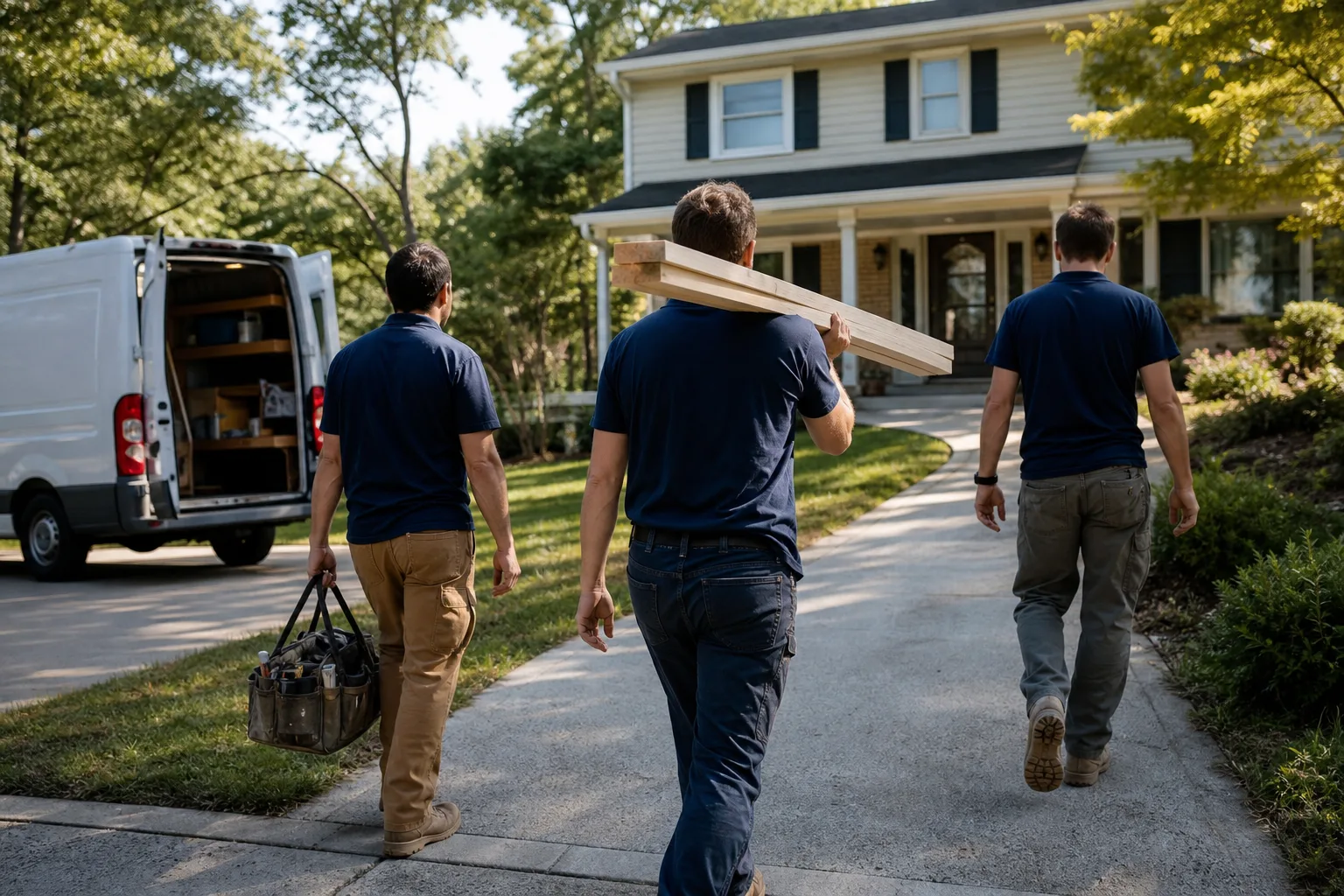
- Confirm the crew you’re letting in. Ask who will be onsite, how they’ll be identified, and whether you’ll see names and photos in advance. We run every crew member through a named verification process, and every technician arrives in a marked uniform and shows a photo ID badge at the door.
- Understand the guarantee. Ask what is covered, what is excluded, and for how long. Ours is stated in writing: 365 days from the completion date, and a free return visit at no charge if a repair or installation fails.
- Confirm permits will be pulled and inspections passed. Get the permit numbers on the project record.
- Check material specs. A written quote should state brands and lines. On our projects that includes selections from Wellborn and Cambria, among other vetted professional-grade lines.
None of this is exotic. It’s the baseline of a professional project, and any qualified contractor will welcome the questions.
Common Mistakes to Avoid
- Starting work without a permit because “it’s small.” Small permitted work is exactly the kind that shows up on an inspection report and stalls a sale. The permit cost is almost always smaller than the resale credit.
- Assuming your homeowner insurance covers DIY mistakes. Faulty workmanship exclusions are common, and a claim tied to unpermitted scope can be denied. Read the exclusions before you pick up a tool.
- Treating a verbal estimate as a price. On larger projects, verbal numbers drift. Get it in writing with the scope defined, line by line.
- Letting an unvetted crew into your home. Ask for names and photos in advance and a badge at the door. This is a real safety decision, especially for homeowners often home alone or with young children.
- Skipping the load-bearing check. A wall’s load status cannot be determined by appearance. Get an engineered answer before anything comes down.
- Ignoring HOA rules in Mesquite. A community restriction violation after the fact can be more expensive than a permit.
- Buying materials before the scope is settled. Mid-project material changes are the most expensive kind. Settle brand and line during the quote.
See the difference
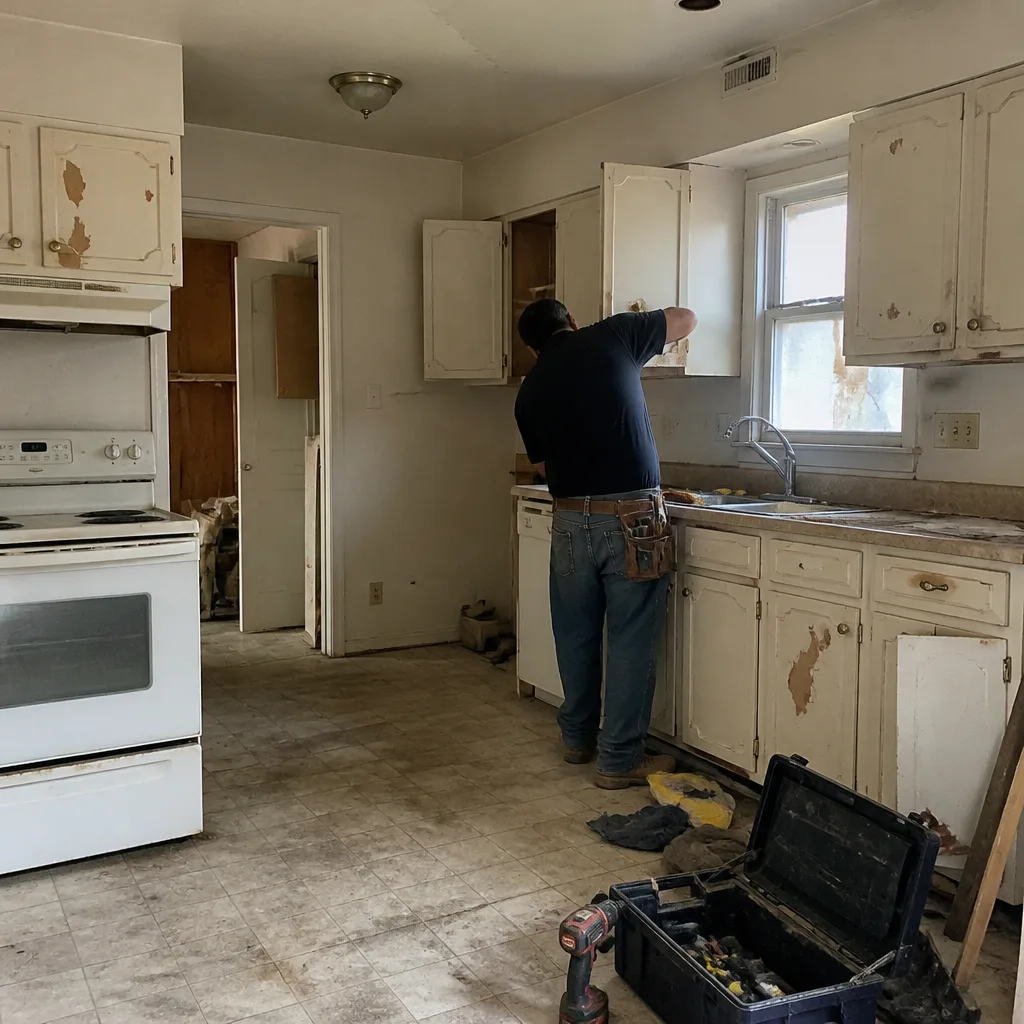 Before
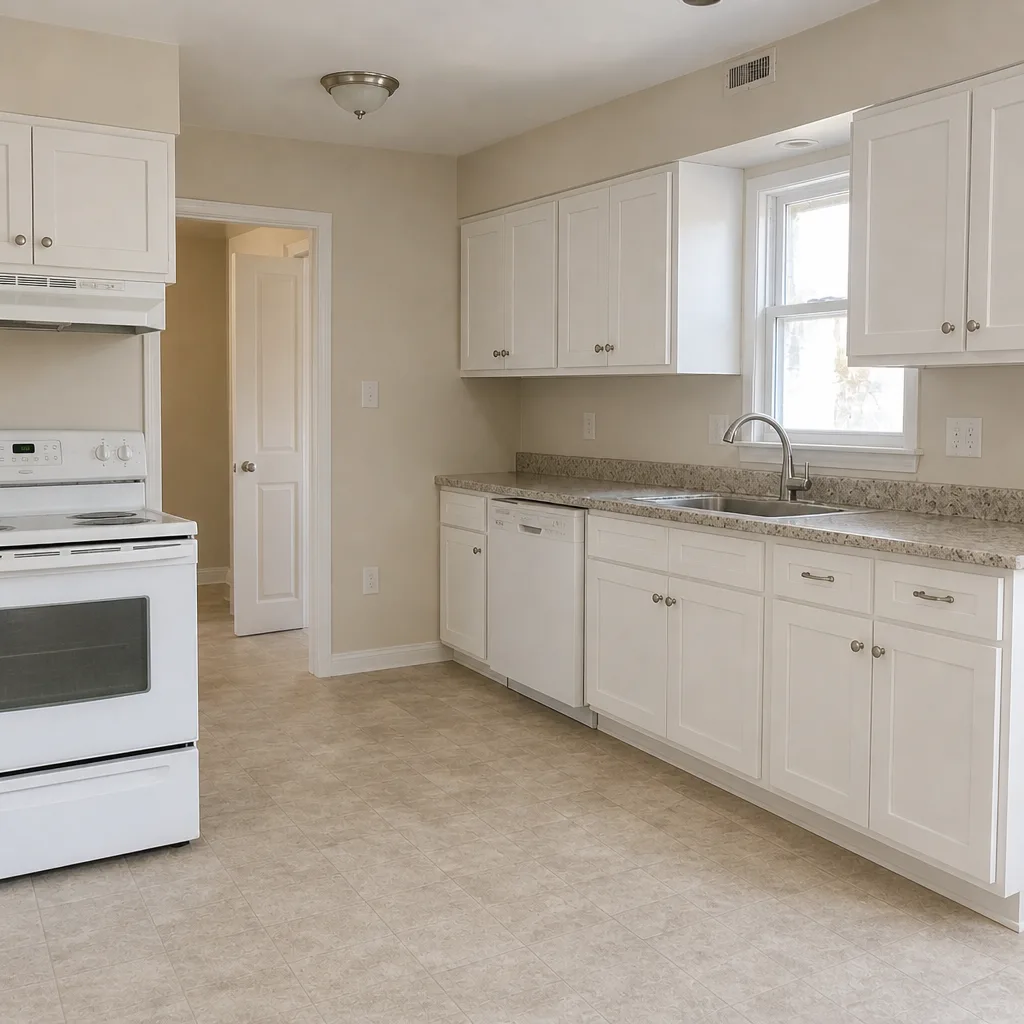 After
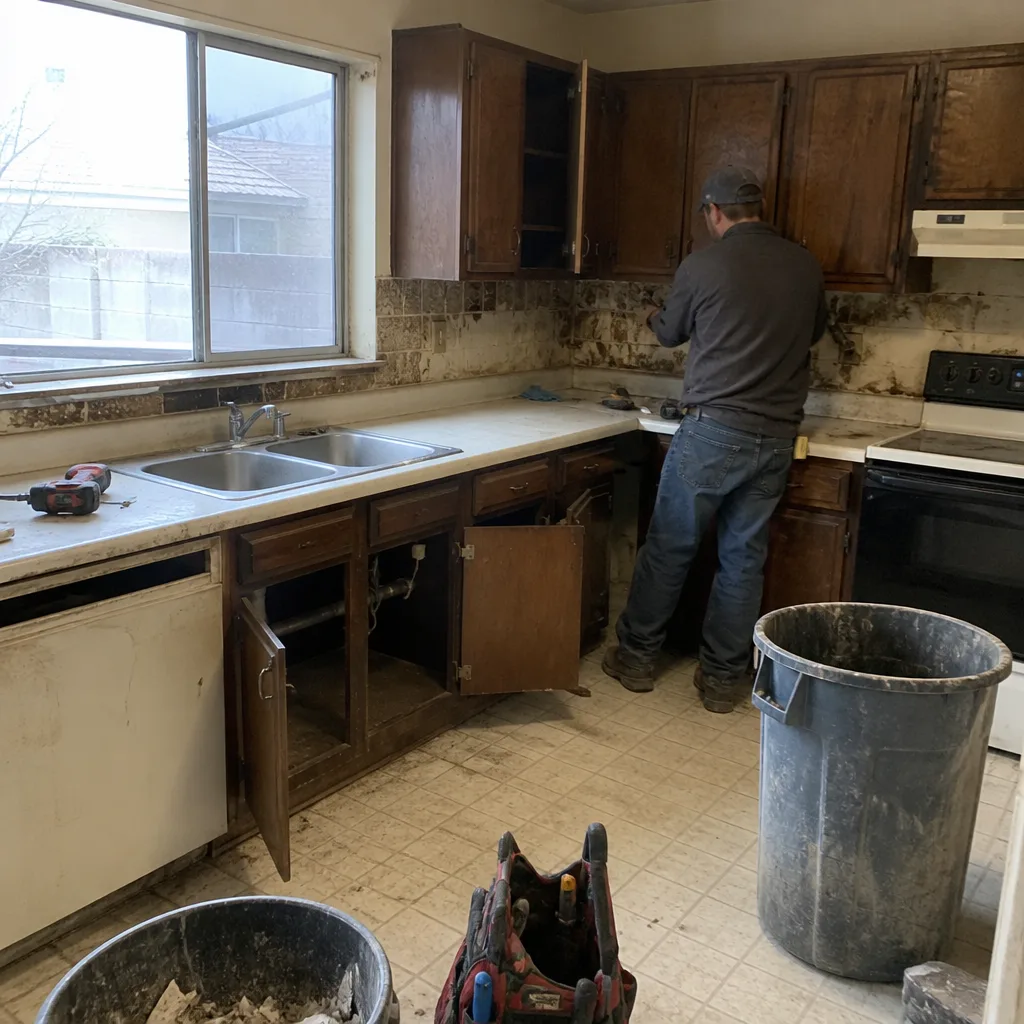 Before
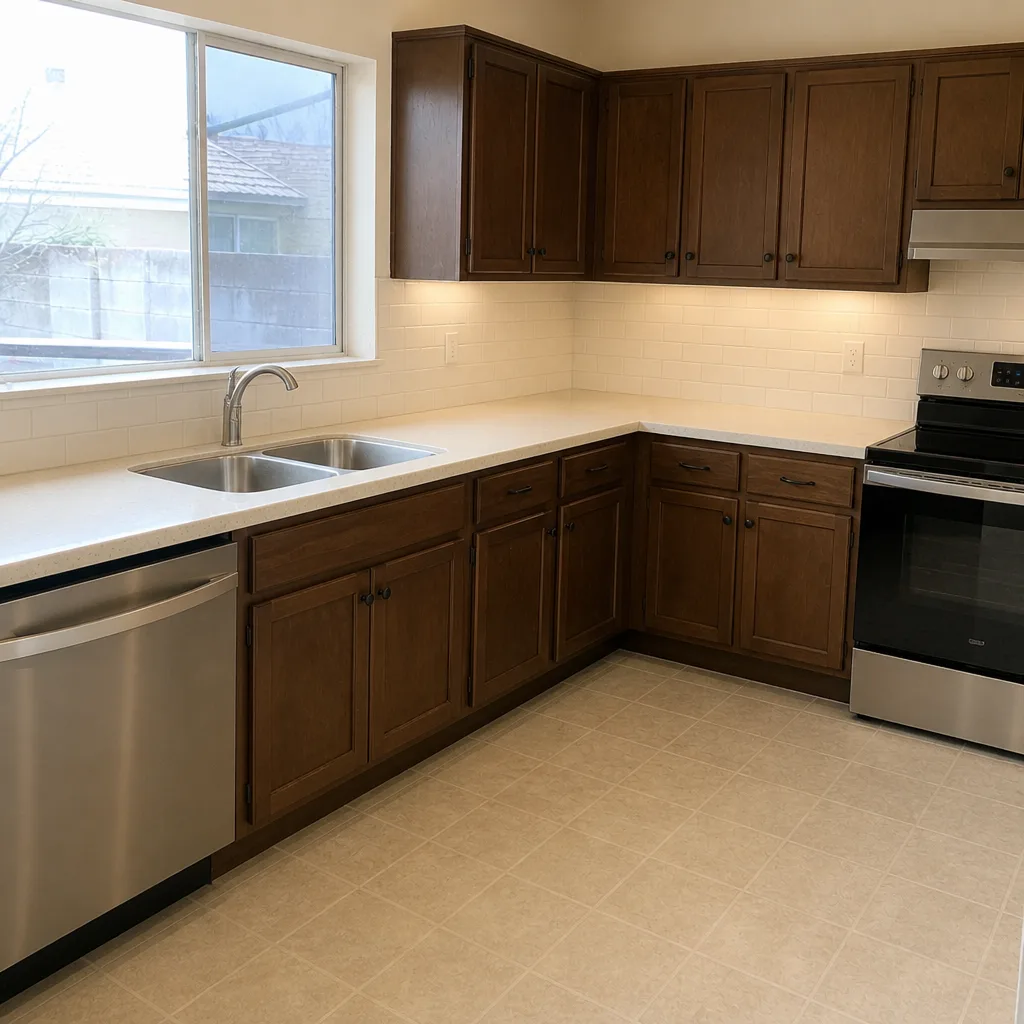 After
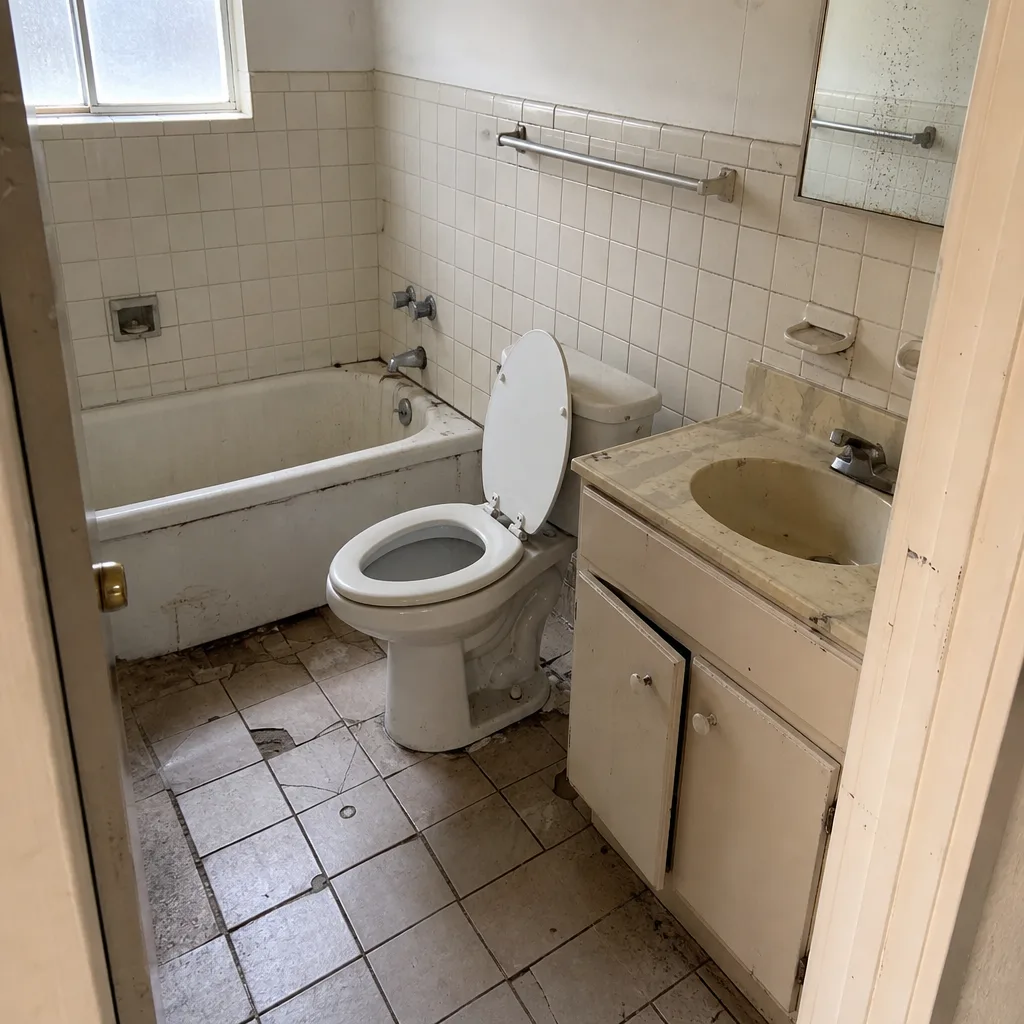 Before
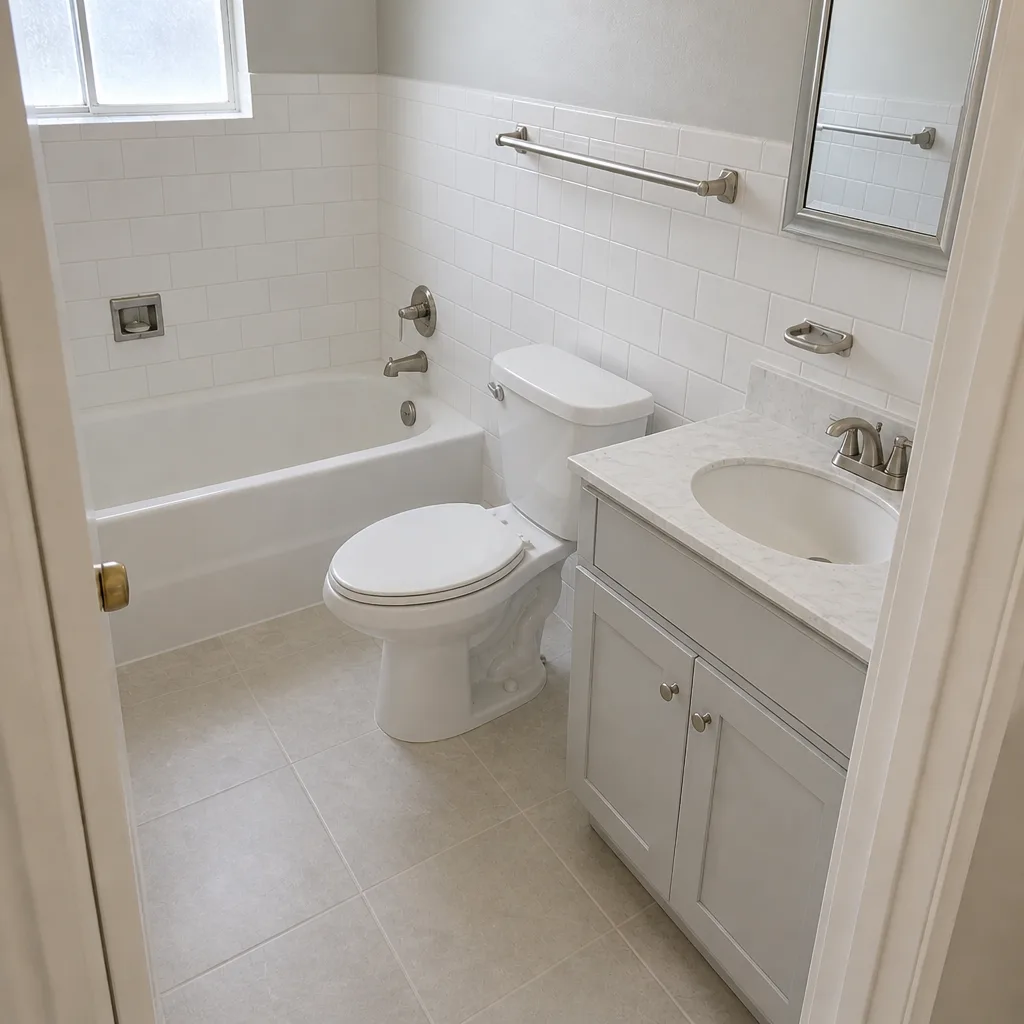 After
When to Call a Professional
Call a professional when the work touches structure, electrical service, gas, plumbing drains or supply reroutes, roofing, or any scope that requires a permit. Call if the job is behind drywall or underground. Call if you can’t trace a clear compliance path. Also call when the project is large enough that a failure would threaten your home’s insurance coverage or its future resale appraisal.
Mesquite homeowners can get a free estimate from Mason Remodeling Mesquite by calling (844) 797-3609. You’ll get a written price before any work begins, a verified crew introduced by name and photo before the visit, and a written guarantee with clearly stated terms including 365 days of coverage from the completion date.
Frequently Asked Questions

Painting, finish carpentry, non-structural demo, and surface swaps (faucets, toilets, light fixtures on existing circuits, hardware) are safe for capable homeowners. Anything structural, electrical service related, gas, plumbing rerouters, or roofing belongs to licensed professionals. If a permit is required, it isn’t a DIY project.
Replacing cabinet faces and boxes in the same footprint typically does not require a permit. Moving plumbing supply or drain lines, rerouting gas to a new range location, or changing the layout does. When the kitchen scope involves systems outside the same location, get the permit and the licensed trade.
Often not. Standard homeowner policies commonly exclude damage from faulty workmanship, and a claim tied to unpermitted or non-compliant work can be denied or reduced. Licensed contractors carry their own liability coverage, which is why hiring transfers the risk.
It can. Unpermitted work is one of the most frequent inspection flags in Nevada resale transactions, and lenders may require documentation or a licensed sign-off. In practice, a seller often credits the buyer for demo and redo, and that credit can exceed the original project cost.
Budget permit and inspection costs as part of the project, not overhead. In practice that means a few hundred to a few thousand dollars depending on scope, plus the time cost of scheduling inspections. It’s far cheaper than the resale credit for unpermitted work. Call (844) 797-3609 for an exact quote on your project; estimates are free.
Sometimes, and it’s worth asking before you sign. Many contractors prefer to handle demo because it’s where hidden conditions are found and because their insurance and schedule cover the phase. Discuss it during the estimate so the written price and scope reflect who does what.
The Bottom Line
The DIY-versus-hire decision comes down to liability, not ability. Painting, finish carpentry, cosmetic demo, and surface swaps are safe for capable homeowners. Anything that touches structure, electrical service, gas, plumbing reroutes, or a permitted scope belongs to a licensed contractor. Unpermitted work can void insurance claims and lower your appraisal more than the project cost. Treat permits as project budget, not overhead. And when you hire, demand a written price before work starts, a certificate of insurance, a verified crew, and a guarantee with stated terms. Call (844) 797-3609 to schedule a free estimate with Mason Remodeling Mesquite.
Written by the team at Mason Remodeling Mesquite.