Last updated November 17, 2026








Free written scope consultation - allowances, timeline, and change-order rules on paper before a single trade is scheduled
General Contractor Maintenance Checklist for Mesquite Homeowners
Most home maintenance checklists floating around the internet were written for wet climates. They obsess over moisture, mold, and wood rot – problems that barely register in Mesquite. Meanwhile, the things that actually fail here go unnoticed until they’re expensive. A homeowner can spend a Saturday re-caulking interior window trim for humidity that will never arrive while the stucco expansion joints crack wider in the July sun, concrete slabs heave through a February freeze, and dust works its way into every HVAC seam. This guide is the checklist that should have been written for the high desert. You’ll learn what to inspect, when to do it, and which tasks require a licensed Nevada contractor.
Quick Answer
Mesquite homeowners should focus maintenance on heat, UV, dust, and thermal cycling rather than moisture. The core annual tasks are stucco and sealant inspection each spring, HVAC filter and duct-seal checks timed to dust season, concrete crack and driveway monitoring around freeze-thaw, and roof flashing inspection before monsoon season. Structural, electrical, plumbing, and roofing work requires a licensed Nevada contractor; painting, filters, and minor caulking you can handle yourself.
Styles & brands we work with
- Kitchen remodeling
- Bathroom remodeling
- Home additions & ADU
- Roofing
- Windows & doors
- Driveway & pavers
- Fence
Table of Contents
- Why National Checklists Fail in Mesquite
- Stucco and Exterior Paint: Your UV Front Line
- HVAC Filters and Ducts: Timing Around Dust Season
- Concrete Flatwork and Driveways: Freeze-Thaw Watch
- Roof Flashing and Sealant Before Monsoon Season
- What You Can DIY vs. What Requires a Nevada License
- Your Mesquite Maintenance Calendar
Why National Checklists Fail in Mesquite
Mesquite sits in a high-desert pocket of Nevada where summer highs regularly top 110°F and winter nights drop below freezing. That combination – intense UV exposure, extreme daily temperature swings, and dry airborne dust – creates a failure pattern that has almost nothing to do with the moisture-focused advice most homeowners are given. The enemies in Mesquite are the sun that breaks down sealants and paint twice as fast as in coastal climates, the daily expansion and contraction that opens cracks in stucco and concrete, and the dust and sand that infiltrate ductwork, window tracks, and weep screeds.
In our experience working on Mesquite homes, we see the same thing repeat: exterior maintenance gets deferred because “it never rains here,” and by the time a homeowner notices a problem, water has already found its way through a hairline crack during the one big monsoon storm of the year. That’s the trap. The dry climate lulls you into ignoring the exterior, then a single weather event exposes everything that wasn’t maintained. This checklist is built to catch those failures early.
Signs you’re using the wrong checklist
- You’re inspecting for mold and rot instead of cracked sealant and UV damage.
- You schedule maintenance by calendar quarter instead of by Mesquite’s weather patterns.
- You’ve never looked at your roof flashing before monsoon season.
- You assume “no rain” means “no water problems.”
Stucco and Exterior Paint: Your UV Front Line
Stucco is the most common exterior finish in this part of Nevada, and it’s also the surface that takes the most punishment from Mesquite sun. UV degradation breaks down the elastomeric sealants and paint film that protect the stucco beneath. Once that film fails, moisture from an occasional monsoon rain can get behind the wall, and in a freeze-thaw cycle it can crack the stucco from the inside out. The key is catching sealant failure before it becomes stucco failure.
What to inspect every spring (around March, before the heat hits)
- Walk the full perimeter and look at every expansion joint, window and door frame, corner bead, and penetration (hose bibs, dryer vents, AC line sets).
- Check for hairline cracks in the stucco field. Any crack wider than a credit card edge warrants a professional look.
- Look for chalky or powdery paint – a sign the paint film has broken down from UV.
- Test sealant adhesion at joints by pressing gently; if it pulls away or crumbles, it’s spent.
- Inspect the weep screed at the base – it should be clear of dirt and debris so moisture can escape.
In Mesquite, exterior paint typically lasts 7 to 10 years before UV breaks it down enough to need repainting, though south- and west-facing walls often need it sooner. Sealant replacement at joints is an annual or every-other-year task depending on exposure. If your stucco has visible cracking or the paint is failing, that’s a call worth making – a general contractor can assess whether it’s a paint job or a repair. Our team at Mason Remodeling Mesquite general contractor services handles stucco repair and exterior prep as part of exterior work, and we give a written price before anything starts.
HVAC Filters and Ducts: Timing Around Dust Season
The standard advice – change your filter every three months – is a rough average that serves nobody well in Mesquite. Dust season here runs roughly from late spring through early summer, when wind picks up dry soil and fine sand and drives it into every gap. During those weeks, a filter that would last three months in a mild climate can load up in three or four weeks. The filter isn’t the only issue; duct seams that look tight can leak conditioned air and pull in dust, and in our experience, duct-seal checks in Mesquite homes routinely find gaps at the plenum and at flexible duct connections.
A dust-season HVAC maintenance sequence
- Before dust season (late April): Replace the filter, check that the return grille isn’t restricted, and confirm the condensate line is clear.
- During dust season (May through July): Check the filter every three to four weeks and replace when you can’t see light through it.
- Mid-summer: Look at accessible duct connections – supply boots, plenum seams, and flex duct collars – for visible gaps or separated tape.
- Fall: Have the system serviced before heating season, and consider a professional duct-seal evaluation if your energy bills climb.
A note on duct sealing: minor tape repairs at accessible joints are fine for a homeowner. Sealing ducts inside walls, attics, or crawlspaces, or any work that involves disconnecting duct runs, is a job for a licensed HVAC contractor. The same applies to anything electrical in the system. If you’re planning a larger project and want a coordinated plan, our Mason Remodeling Mesquite home page lays out how we handle whole-home work with one written price.
Concrete Flatwork and Driveways: Freeze-Thaw Watch
Mesquite’s elevation means winter nights regularly dip below freezing, then warm sharply during the day. Water that seeps into a hairline crack in a driveway or patio freezes overnight, expands, and pries the crack wider; by spring, that hairline has become a real problem. This freeze-thaw cycle is the single biggest cause of concrete deterioration in Mesquite flatwork, and it’s easy to miss because the damage happens slowly and quietly.
Concrete inspection steps
- In late fall, walk every slab and look for cracks, especially at control joints and along the edges.
- Note any crack wider than a pencil line or any slab that has visibly shifted or settled.
- Check that water drains away from the slab and doesn’t pool at the base of the driveway or patio.
- After the last freeze (usually March), re-inspect and compare – new cracks or widened ones mean the slab is moving.
- For minor cosmetic cracks, a homeowner can clean and seal with an appropriate concrete caulk. For structural cracks, settling, or heaving, call a professional.
Hardscape repair and replacement is one area where a professional installation makes the difference in how the slab performs through Mesquite winters. Pavers, retaining walls, and patio hardscape from manufacturers like Belgard and Unilock are engineered to handle freeze-thaw when installed correctly with proper base prep. Our team can evaluate settling or cracked flatwork and give you a written recommendation.
Roof Flashing and Sealant Before Monsoon Season
Mesquite’s monsoon season runs roughly July through September, when brief but intense thunderstorms drop a lot of water in a short window. That’s the one moisture event this climate actually delivers, and it’s the one your roof needs to be ready for. The weak points are almost always the same: flashing around chimneys, skylights, and vents, plus the sealant at roof penetrations and in valleys. When those fail, water gets in fast – and because the rest of the year is dry, homeowners often don’t discover the damage until a ceiling stain appears.
Pre-monsoon roof checklist (do this by early June)
- Inspect flashing at the chimney, skylights, and any roof-to-wall intersections for lifted or cracked sealant.
- Check the condition of pipe boots and vent seals – these crack and crumble from UV within a decade.
- Clear debris from valleys and behind any roof obstructions so water can flow.
- Look at fascia and soffit for water staining or separation.
- If you’re comfortable on a ladder, check gutters and downspouts – but never walk on the roof. Roof work is a licensed trade for good reason.
Roofing repairs involve height, fall risk, and the potential for hidden decking damage. This is a professional’s job. If you’re planning a roof replacement or a major repair, materials from GAF, CertainTeed, or Owens Corning are the standard we work with, and we deliver a written price before work starts. Roofing is often the trigger for a larger exterior project, which is where a bathroom remodel in Mesquite and other interior work can be coordinated if you’re already investing in the home.
What You Can DIY vs. What Requires a Nevada License
Nevada draws clear lines around what a homeowner can legally do and what requires a licensed contractor. Doing the wrong task yourself can void permits, fail an inspection, or leave a repair that no future buyer’s inspector will sign off on. Here’s the practical breakdown for Mesquite homeowners.
Safe for homeowners to self-perform
- Replacing HVAC filters and cleaning return grilles.
- Minor caulking and sealant touch-ups at joints at ground level.
- Painting (non-structural, non-lead, no permit required for most residential repaints).
- Cosmetic concrete crack sealing with appropriate caulk.
- Cleaning gutters, debris removal, and landscape maintenance.
Requires a licensed Nevada contractor
- Any structural work – load-bearing walls, foundations, framing.
- Electrical work beyond replacing a light bulb or a switch cover.
- Plumbing beyond a fixture swap or drain clearing.
- HVAC repair, duct modifications, and system replacement.
- Roof repair or replacement, and any work requiring a building permit.
- Water heater replacement, gas line work, and anything that ties into a permit.
In Mesquite, work that requires a permit must be inspected, and if a homeowner does permitted work themselves and fails the inspection, the fix is on them. When in doubt, a call to a licensed general contractor clarifies what’s needed. The kitchen remodeling in Mesquite page has more on how permitted renovation works in practice, since kitchens touch electrical, plumbing, and sometimes structure at once.
Your Mesquite Maintenance Calendar
Here’s the annual rhythm that actually fits this climate. Print it, stick it on the fridge, and set reminders.
Spring (March – May)
- Full stucco, sealant, and paint perimeter walk.
- Concrete crack inspection after last freeze.
- Replace HVAC filter; check return and condensate line before dust season.
- Recall irrigation and check for winter freeze damage.
Summer (June – September)
- Roof flashing and sealant inspection by early June – before monsoon.
- Filter checks every three to four weeks through dust season.
- Watch for water intrusion after the first major storm.
- Check exterior sealants on south and west exposures more often.
Fall (October – November)
- Concrete inspection before freeze-thaw begins.
- HVAC service before heating season.
- Drain and winterize irrigation and hose bibs.
- Inspect window and door seals before winter wind.
Winter (December – February)
- Watch for ice damming at roof edges after storms.
- Check for condensation and drafts at windows.
- Keep an eye on concrete for new heaving.
Common Mistakes to Avoid
- Skipping the exterior because “it’s dry.” Dry climates make you ignore stucco and sealant until the first monsoon exposes the cracks. Inspect the exterior every spring regardless.
- Changing the HVAC filter on a calendar instead of on dirt. A three-month filter schedule is too slow during Mesquite dust season. Check it monthly for a few weeks.
- Assuming a small concrete crack will stay small. In freeze-thaw, a hairline crack becomes a trip hazard within two winters. Seal it in fall.
- Waiting until after the first storm to check roof flashing. By then the water is already inside. Do the pre-monsoon inspection in June.
- Doing permitted work yourself and failing inspection. In Nevada, permitted work must pass inspection. If you’re not certain, ask before you start.
- Re-caulking for moisture you’ll never get. Use that effort on expansion joints and UV-exposed sealant instead, where the actual failure is happening.
- Not documenting maintenance. Keep a simple log of dates and what was done. It helps when you sell, and it helps a contractor diagnose a problem.
See the difference
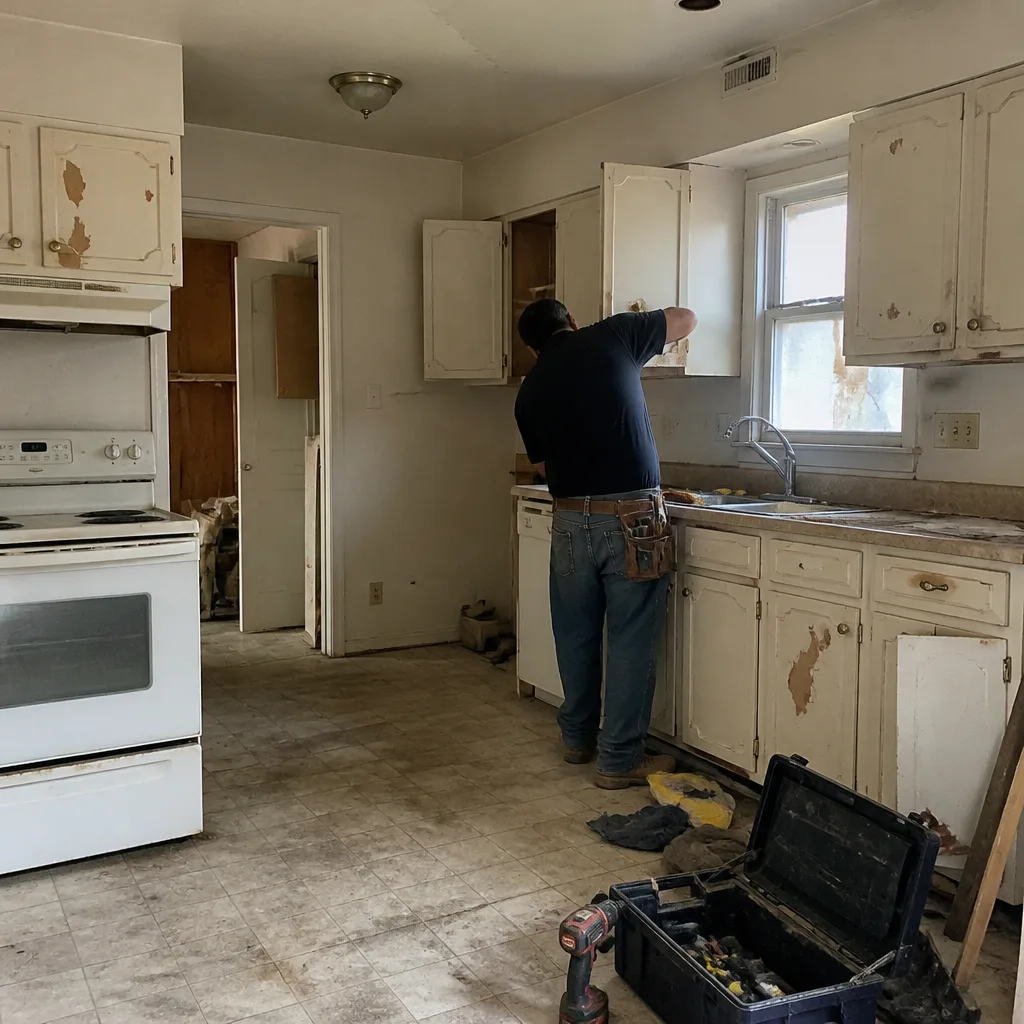 Before
 After
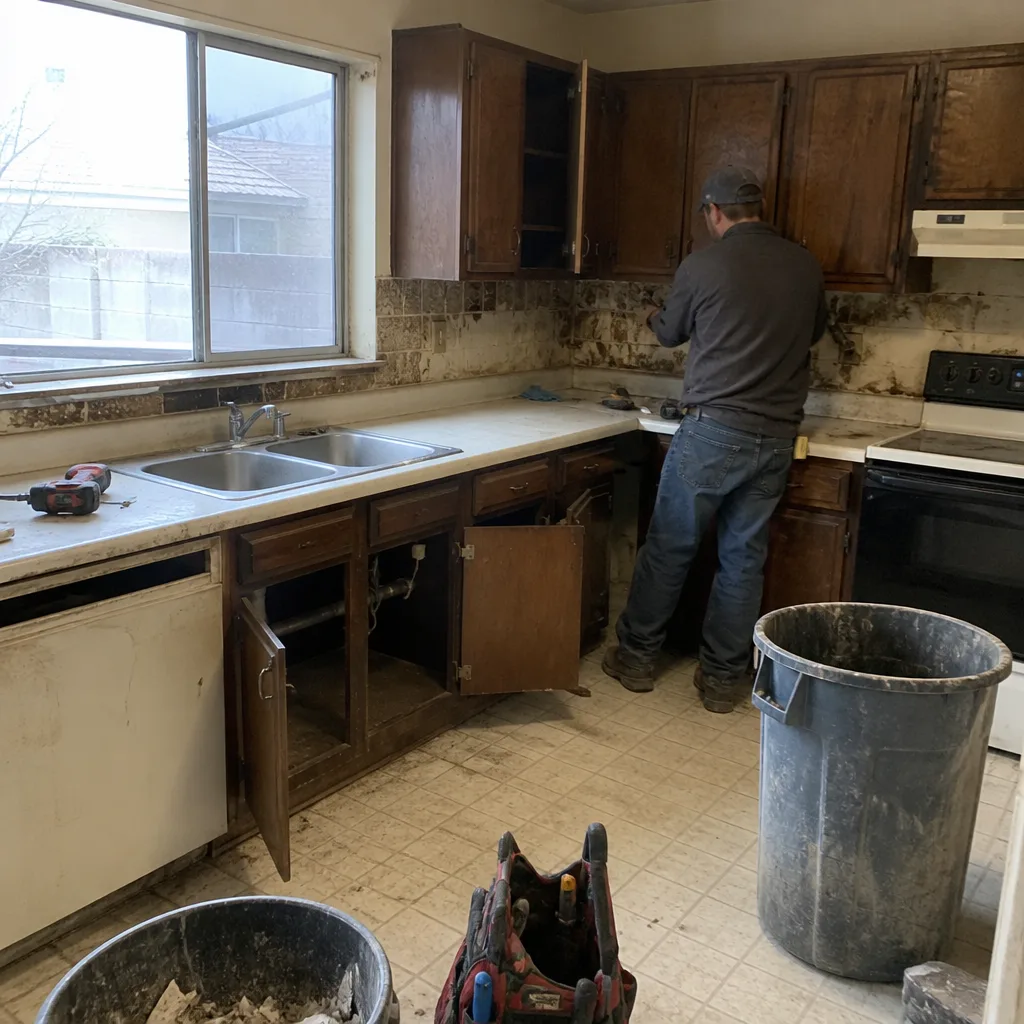 Before
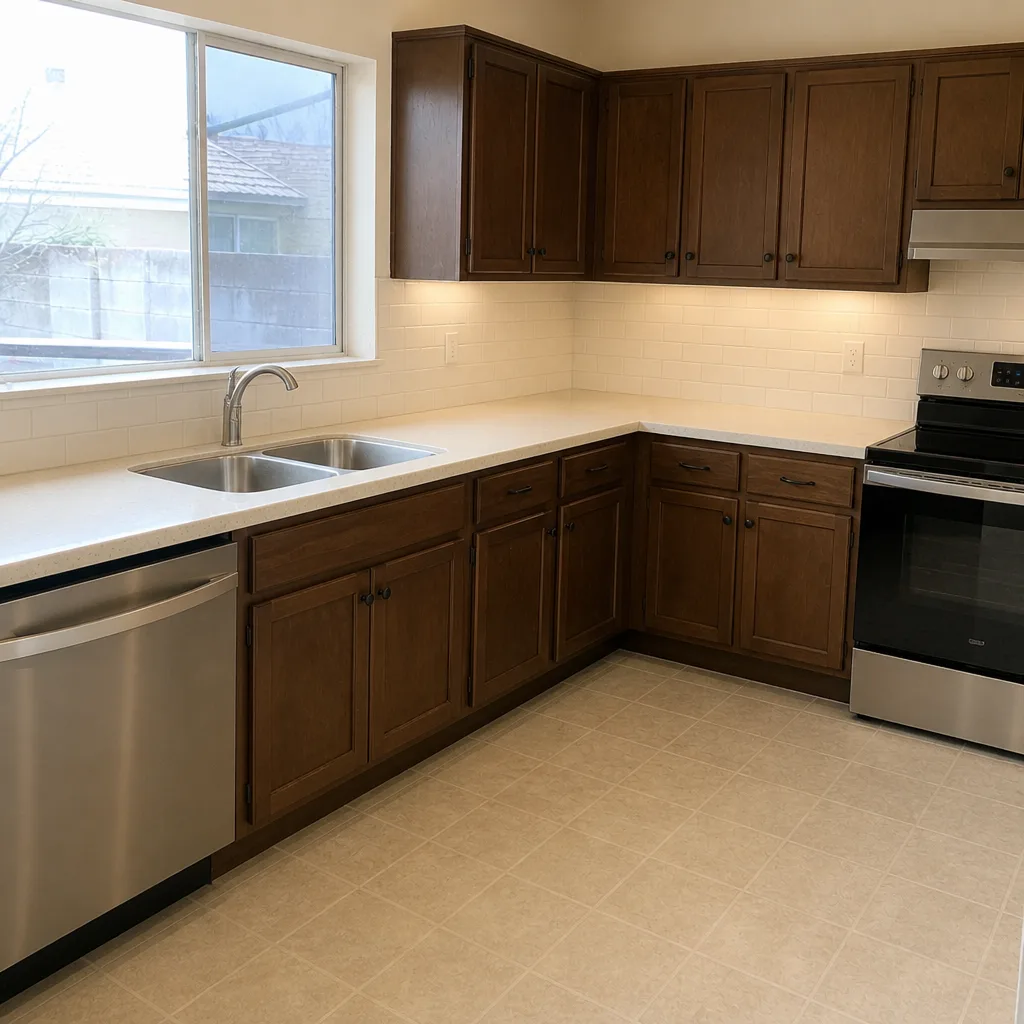 After
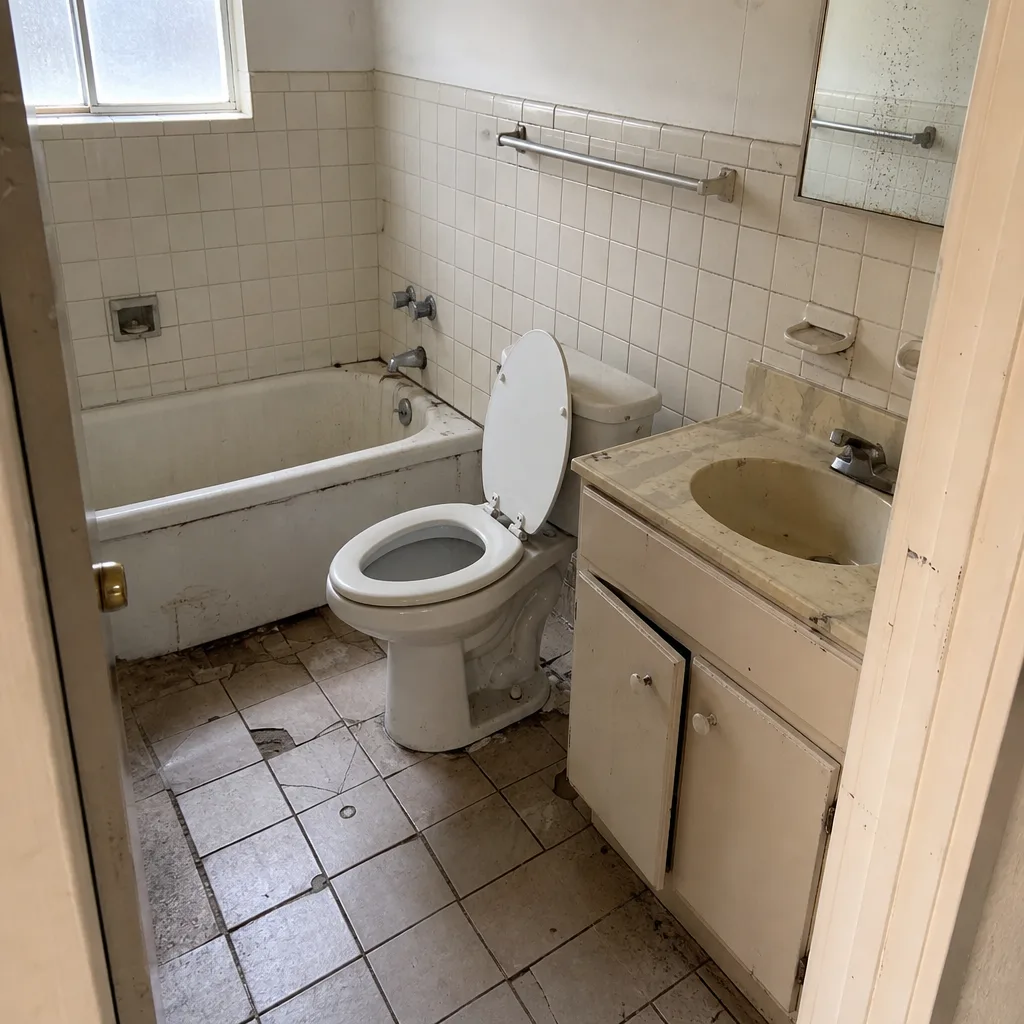 Before
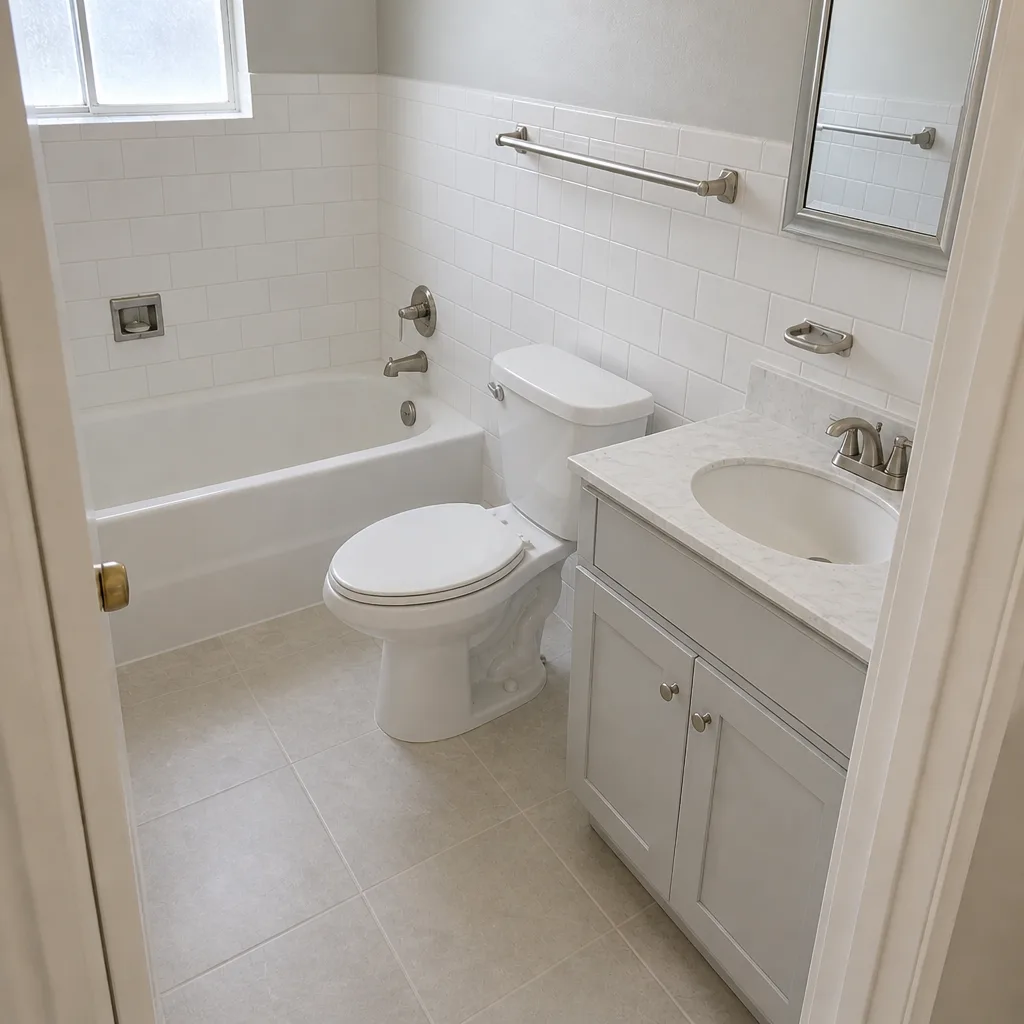 After
When to Call a Professional
Some of this checklist is DIY-friendly, and some of it isn’t. Call a licensed professional when you find cracked or separated stucco, a roof leak or suspect flashing, concrete that’s heaving or settling, any electrical or plumbing work, an HVAC problem you can’t solve with a filter change, or a job that requires a Nevada permit. These are the areas where a DIY attempt can void a warranty, fail an inspection, or create a safety risk. Mason Remodeling Mesquite offers a written price before any work starts, and our team verifies every crew member by name and photo before the visit under The Threshold Standard, so you know exactly who’s coming. Mason Remodeling Mesquite offers free estimates in Mesquite – call (844) 797-3609 to book one.
Frequently Asked Questions

Inspect stucco, sealant, and exterior paint once a year in spring, around March before the heat arrives. In Mesquite, south- and west-facing walls often need closer attention because they take the most UV, and sealant at expansion joints may need replacing every one to two years depending on exposure. If you find cracking wider than a credit card edge or paint that’s gone chalky, call a professional for an assessment – estimates are free at (844) 797-3609.
Dust season in Mesquite runs roughly from late spring through early summer, when wind drives fine soil and sand into ducts and filters. That means you should check your HVAC filter every three to four weeks during those months instead of waiting a full quarter. If you see visible gaps at duct connections or your energy bills climb, a professional duct evaluation is worth scheduling.
Most residential repainting in Mesquite doesn’t require a permit, but any structural repair, stucco replacement, or work tied to a larger project may. When in doubt, ask a licensed contractor before starting. If you’re unsure whether your project crosses a legal line, call (844) 797-3609 and we’ll tell you plainly.
Freeze-thaw cycles cause most concrete cracks in Mesquite. Water seeps into hairline cracks, freezes overnight, expands, and widens the crack. Over a few winters, a hairline becomes a real split or a heaving slab. Seal small cracks in fall, and call a professional for settling, heaving, or structural cracks.
Before – by early June, ahead of Mesquite’s July-through-September monsoon window. Check flashing, pipe boots, vent seals, and valleys. If you find lifted sealant or cracked boots, get a professional inspection. Roof work involves fall risk and hidden damage, so don’t attempt repairs yourself. Call (844) 797-3609 for a free roof estimate.
No, beyond the most basic tasks. Replacing a switch cover or a light bulb is fine, but electrical work, plumbing beyond a fixture swap, and any permitted gas or HVAC work require a licensed Nevada contractor. Doing it yourself can void permits and fail inspection, and the fix is on you.
The Bottom Line
A Mesquite maintenance checklist has to match this climate, not the one it was copied from. The real threats here are UV degradation, thermal cycling, dust infiltration, and freeze-thaw – not the moisture rot that dominates generic guides. Focus your effort on spring stucco and sealant inspection, HVAC filter checks timed to dust season, fall concrete crack sealing, and pre-monsoon roof flashing checks. Know where the DIY line is, and call a licensed contractor for anything structural, electrical, plumbing, or roofing. A little planning each season keeps the biggest repair bills from sneaking up.
If you’d like a professional eye on any of it, Mason Remodeling Mesquite offers free estimates and a written price before any work starts. Call (844) 797-3609 to schedule your free estimate.
Written by the team at Mason Remodeling Mesquite.