Last updated November 17, 2026




Free written scope consultation - allowances, timeline, and change-order rules on paper before a single trade is scheduled
Construction Permits, Codes & Inspections in NV: What You Need to Know
Here’s the detail that catches most homeowners off guard: in Nevada, a single project can fall under two or three separate jurisdictions at the same time. A Mesquite homeowner who pulls a permit through the City of Mesquite for a room addition may still need a separate Clark County sign-off if the property crosses into an unincorporated boundary. No clerk at the counter will volunteer that unless you ask the exact right question. What follows is a plain-English map of which layer of government governs which project, how inspections actually run, and where unpermitted work can cost you at resale.
Quick Answer
In Nevada, construction permits are issued by the jurisdiction with land-use authority over your specific address, which is typically the city if you live inside city limits and the county if you don’t. Room additions, patio covers, bath additions, and most kitchen remodels require a permit, an inspection sequence, and a final sign-off. Small cosmetic work like paint, flooring, and cabinet refacing usually does not. The trick is confirming your jurisdiction before anyone swings a hammer.
Styles & brands we work with
- Kitchen remodeling
- Bathroom remodeling
- Home additions & ADU
- Roofing
- Windows & doors
- Driveway & pavers
- Fence
Table of Contents
- Which Jurisdiction Governs Your Project in Nevada?
- Permit Types for the Most Common Mesquite Projects
- Contractor-Pulled vs. Homeowner-Pulled Permits Under Nevada Law
- How the Nevada Inspection Sequence Works
- What Legally Does and Doesn’t Need a Permit
- How Unpermitted Work Affects a Nevada Home Sale
- Common Mistakes to Avoid
- When to Call a Professional
Which Jurisdiction Governs Your Project in Nevada?
Nevada’s permit system is layered, not complicated. The confusion comes from not knowing which layer applies. Three levels can touch the same project, and each has its own rules:
- City jurisdiction – If your property sits inside an incorporated city like Mesquite, the city building department issues the permit and runs the inspections.
- County jurisdiction – Unincorporated land falls to the county. In the Mesquite area, that’s Clark County. A property with a Mesquite mailing address can still be under county jurisdiction if it sits outside incorporated boundaries.
- State jurisdiction – Nevada’s State Public Works Division handles state-owned buildings and certain specialized systems. The state also sets the contractor licensing framework through the Nevada State Contractors Board, which is a separate layer from the building code itself.
Here’s where it gets interesting. A homeowner on the edge of Mesquite calls the city, gets a permit, and builds. Two years later a title company flags that the parcel was actually county jurisdiction and the city permit doesn’t satisfy county code. Resolving that is expensive and slow. The fix is simple: confirm jurisdiction before you file. Call the City of Mesquite building department and ask the single question that settles it: “Is this parcel inside incorporated city limits or not?” Ask for the answer in writing if you can. Then file with the correct agency on the first pass.
The same logic applies across Southern Nevada. Our technicians have up to 22 years of experience navigating these boundaries, and the pattern is always the same: the project isn’t hard, the jurisdiction question is. Sorting it in the first phone call saves weeks.
Permit Types for the Most Common Mesquite Projects
Different projects trigger different permits from different offices. Here’s the breakdown for the work we see most often in Mesquite, mapped to the agency that issues it:
| Project | Permit Required? | Issuing Agency | Typical Review / Inspection |
|---|---|---|---|
| Cosmetic kitchen update (paint, reface, swap fixtures) | No | – | None |
| Kitchen remodel with new electrical or plumbing | Yes | City of Mesquite (or County if unincorporated) | Rough-in inspection plus final |
| Bath addition or relocation of plumbing | Yes | City / County building department | Rough plumbing, rough electrical, waterproofing, final |
| Patio cover (attached or freestanding over threshold size) | Yes | City / County building department | Footing, framing, final |
| Room addition | Yes | City / County building department (plus zoning review) | Footing, framing, electrical, final |
Notice the dividing line: if the work touches structure, electrical, plumbing, or gas, a permit is almost always in play. Cosmetic swaps that stay within the existing footprint and don’t move any systems typically don’t require one. When we take on a kitchen remodeling in Mesquite, the permit scope depends entirely on whether we’re moving the sink and range. Swapping a faucet for a Moen? No permit. Relocating a drain line? That’s a permit.
Patio covers trip up homeowners most often because people assume a shade structure is decorative. In Nevada’s desert climate, where summer temperatures routinely push the triple digits, shade structures are genuinely important. But an attached patio cover bearing on the house, or a freestanding one above a threshold size, is a structural addition with wind load requirements. It needs a permit and a footing inspection. Build it without one and see the resale section below.
Contractor-Pulled vs. Homeowner-Pulled Permits Under Nevada Law
Nevada Revised Statutes allow a homeowner to pull a permit on their own primary residence for work they intend to do themselves. That’s a real right, and it’s used legitimately by do-it-yourselfers. It’s also where liability gets created, so here’s the rule most people miss:
If you pull the permit as a homeowner and then hire a contractor to do the work, the permits and inspections sit in your name – and the liability sits with you. If the contractor’s work fails an inspection, the correction belongs to your property, not to the contractor’s file. You can’t easily pass that responsibility back.
The cleaner approach for any project you’re not doing yourself is the contractor pulling the permit in their own name, under their license. That gives you three protections:
- Accountability stays on the licensed party. Failed inspections get corrected by the contractor as part of the job.
- The permit record follows the work, not you. When you sell the home, the permit history is clean and attributable to a licensed contractor.
- The state licensing framework applies. A contractor pulling permits holds a license with the Nevada State Contractors Board, which is the enforcement body if something goes wrong.
One caveat. A homeowner-pulled permit for genuine DIY work is fine, but if you’re doing an addition of any size and the scope touches structural or electrical, the risk of pulling it yourself is high. This is where a general contractor in Mesquite handles the permit sequence as part of the project scope, so the accountability and the paperwork stay in one place. We pull permits and pass inspections as standard on every project we take on.
For a bathroom remodeling in Mesquite project, the permit and inspection sequence is actually the easier half. The harder half is the waterproofing detail, which we walk through in the next section.
How the Nevada Inspection Sequence Works
Permits aren’t a single approval. They’re a sequence of inspections that must pass in order, with a final sign-off at the end. Here’s how that runs on a typical project in Mesquite:
- Permit application and plan review. You submit plans and scope. The building department reviews for code compliance and zoning. Review time varies by jurisdiction and project complexity.
- Footing inspection (for additions and patio covers). The inspector verifies footings and foundation before anything is backfilled or built on.
- Rough-in inspections. Framing, electrical, plumbing, and gas are inspected before walls close up. This is the most important step to not skip, because once the drywall goes on, corrections get expensive.
- Waterproofing inspection (bathrooms). The shower and tub waterproofing membrane is checked before tile goes down.
- Final inspection. The completed work is inspected against the permitted scope. If it passes, you get a final sign-off and the permit is closed.
What happens when an inspection fails? The inspector issues a correction notice listing exactly what failed. The work gets fixed and the inspection is rescheduled. Nevada jurisdictions typically charge a re-inspection fee for a repeat visit, commonly in the range of $50 – $150 depending on the jurisdiction and the number of re-inspections on the same item. Correction windows are usually 30 to 90 days depending on the jurisdiction and the severity of the issue, after which the permit can be administratively closed or flagged. The correction itself isn’t the problem. The problem is time: re-inspection slots fill up, and a 30-day correction window combined with a busy inspector calendar can push a project’s completion by several weeks.
Our crews have handled this sequence on hundreds of Southern Nevada jobs, and the pattern is consistent. The projects that go smoothly are the ones where the rough-in is inspected early and correctly the first time. The re-inspection fee is minor compared to the schedule slip. On a bathroom with a Silestone vanity and new tile, a failed waterproofing inspection is a two-week setback because the tile has to wait.
What Legally Does and Doesn’t Need a Permit
Knowing what’s exempt is as useful as knowing what isn’t. Here’s the practical breakdown for Nevada residential work:
Generally no permit required:
- Interior and exterior paint
- Flooring replacement over the existing surface
- Cabinet refacing and hardware swaps (if plumbing and electrical aren’t moved)
- Faucet and fixture replacement on existing connections (like swapping a Kohler faucet)
- Landscaping and plantings below a threshold size or height
- Standard countertop replacement where the existing cabinet structure isn’t altered
Permit required, and often assumed not to be:
- Any new structural opening in a load-bearing wall (removing a wall between kitchen and living room is the classic Mesquite mistake)
- Moving or adding plumbing or electrical circuits
- Water heater and HVAC replacements (permit and inspection)
- Attached patio covers and freestanding ones above the jurisdiction’s size threshold
- Room additions, bath additions, and any addition of square footage
- Fence height changes above the local limit
- Swimming pool and spa installations
The most common surprise on this list is the wall removal to open up a kitchen. Homeowners read about “open concept” and assume knocking out a partition is cosmetic. It isn’t if the wall carries any load. In our experience, the projects that stall at inspection are almost always the ones where a structural change was made without a permit, and the inspector catches it during a different trade’s rough-in. That’s an expensive way to learn.
How Unpermitted Work Affects a Nevada Home Sale
This is the section that costs homeowners the most money and gets the least attention during construction. Nevada title companies and the standard purchase contract require disclosure of known unpermitted work and any material defects. Here’s what actually happens:
- Title company requirement. Title companies handling the sale will ask for permit history on additions, structural work, and major remodels. Unpermitted work shows up as a gap in the record.
- Disclosure obligation. Nevada’s seller disclosure form requires you to disclose known additions or alterations made without required permits. Non-disclosure creates real legal exposure if the buyer later discovers the issue.
- Financing stalls. Appraisers and mortgage underwriters flag unpermitted additions that don’t match the property record. Lenders may refuse to finance the purchase until it’s resolved.
- Remediation options. You have to either obtain an after-the-fact permit and get inspections (which often means opening up walls to verify what’s inside), or remediate by removing the unpermitted work entirely. Both are slow and expensive.
In Mesquite, we’ve seen this play out in the market more than once. The buyer’s inspector catches the unpermitted patio cover or the bathroom addition that doesn’t appear in the property record, and the deal stalls. The seller then spends the escrow window trying to retroactively permit work that should have been permitted at the time. The cost of doing it right is typically a fraction of the cost of doing it retrospectively, and the time is measured in months instead of days. The Mason Remodeling Mesquite home page covers how we handle this on the front end, which is where it belongs.
Common Mistakes to Avoid
- Assuming a city permit covers a county-jurisdiction parcel. Confirm incorporated vs. unincorporated before you file. A Mesquite mailing address doesn’t guarantee city jurisdiction, and a city permit issued to a county parcel creates a paper problem that’s hard to unwind.
- Pulling the permit as a homeowner and then hiring a contractor. Under Nevada law, the permit and liability sit with whoever pulled it. If you hire someone to do the work, let the contractor pull the permit in their own name so the accountability follows the work.
- Skipping the rough-in inspection to save time. Closing walls before the rough-in passes is the fastest way to trigger a demolition correction. The rough-in inspection is 30 minutes of waiting; opening finished walls is a week of work.
- Treating a wall removal as cosmetic. Any structural opening in a load-bearing wall needs a permit and engineered plans. This is the most common unpermitted-project mistake we see in Nevada.
- Ignoring the correction window. Re-inspection windows are typically 30 to 90 days. Missing them can trigger administrative permit closure and an even more expensive process to reopen.
- Assuming a patio cover is exempt shade. Attached covers and freestanding covers above the local size threshold need a permit and a footing inspection. Wind load matters in Nevada’s desert climate.
- Waiting until the pre-sale inspection to discover unpermitted work. If you’ve owned the property through a renovation, pull your own permit history now. The cost of retroactive permitting is far higher than front-end permits.
When to Call a Professional
Call a licensed contractor when your project touches structure, electrical, plumbing, or gas – which is most of the work worth doing in a Nevada home. Specifically: any room or bath addition, any wall removal, any relocation of plumbing or electrical circuits, any patio cover attached to the house, any HVAC or water heater replacement, and anything in an unincorporated parcel where the jurisdiction question is genuinely unclear. Those are the projects where a permit sequence, an inspection sequence, and a licensed professional’s name on the permit all matter at the same time.
Mason Remodeling Mesquite offers free estimates in Mesquite – call (844) 797-3609. Every project starts with a written price delivered before any work begins, and every completed project is backed by the 365-Day Done Right Promise: if the work isn’t right within 365 days of completion, we make it right at no cost to you. Our crews pass inspections because the rough-in gets done correctly the first time. You can see more of how we handle whole-home and general work at our Mesquite general contractor page or review the licensing and project scope details on our about page.
See the difference
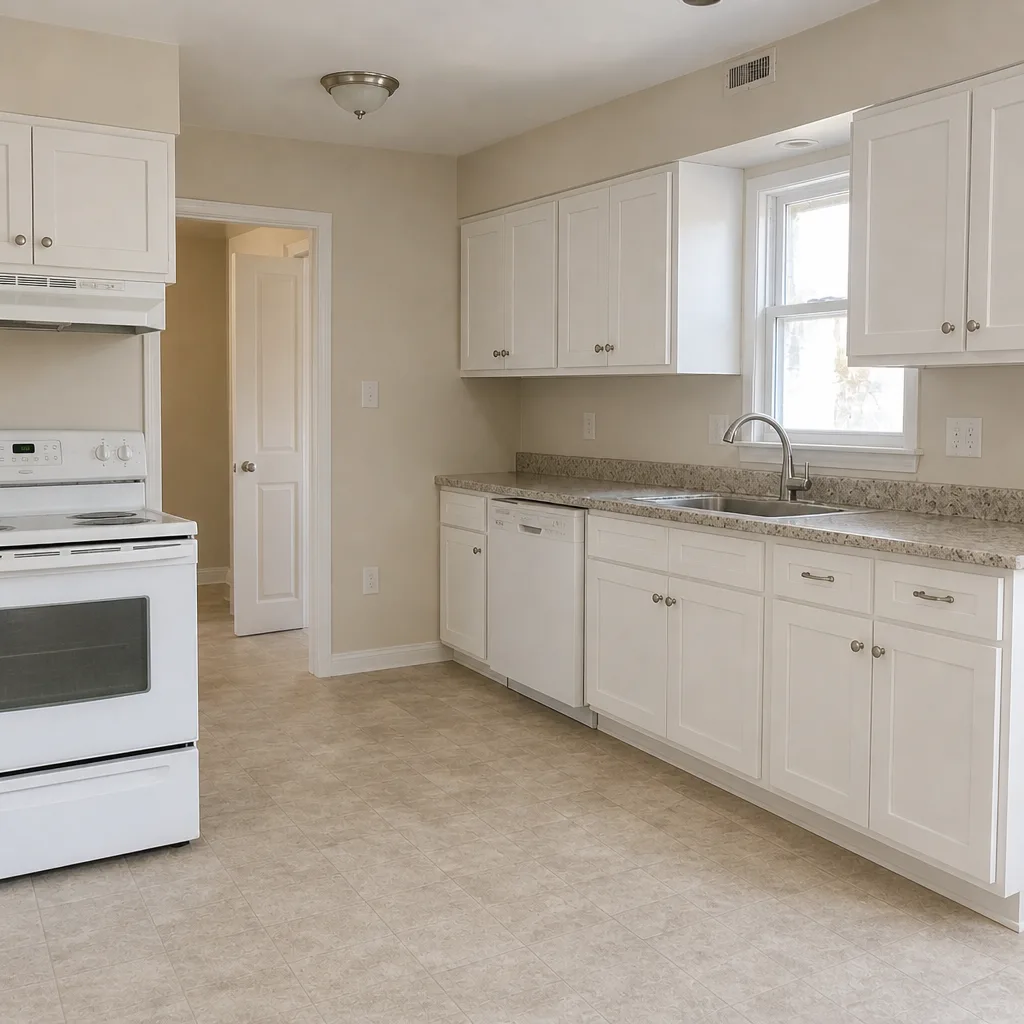
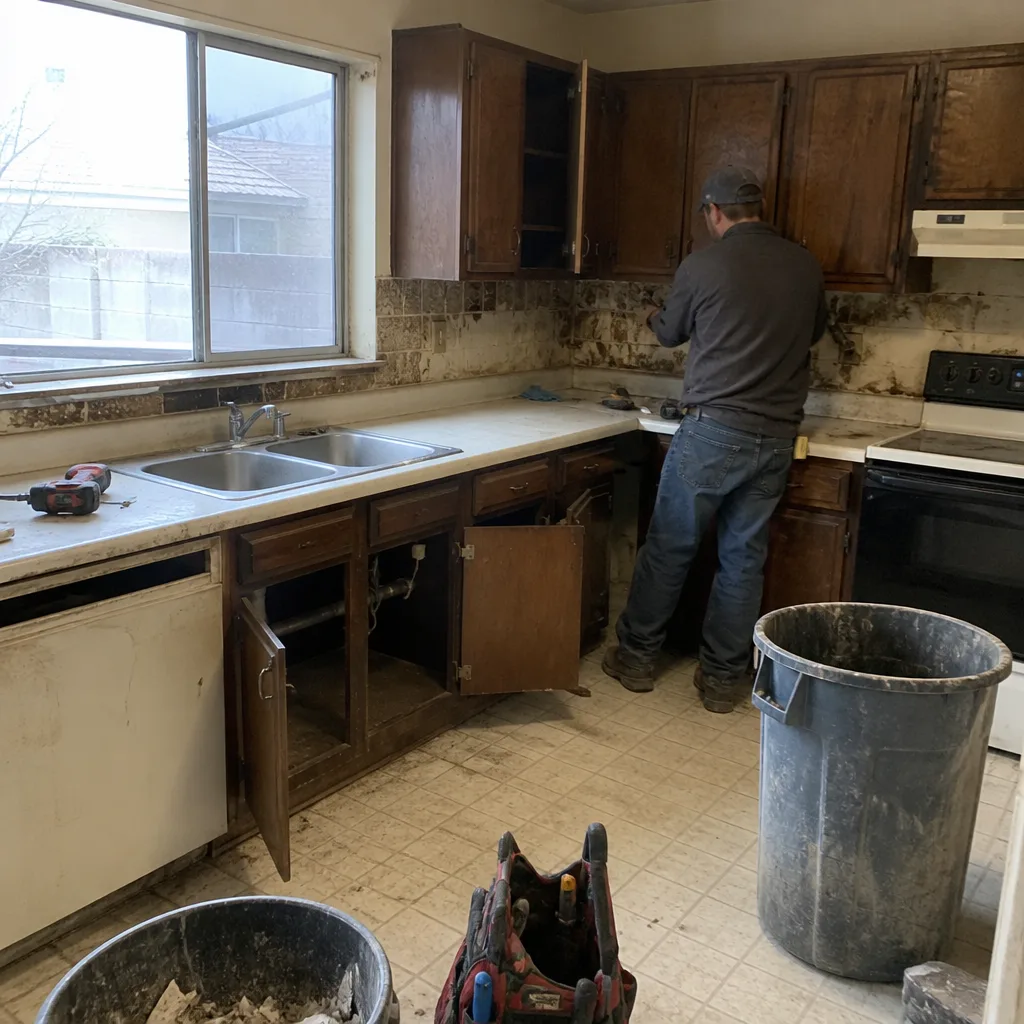
 Before
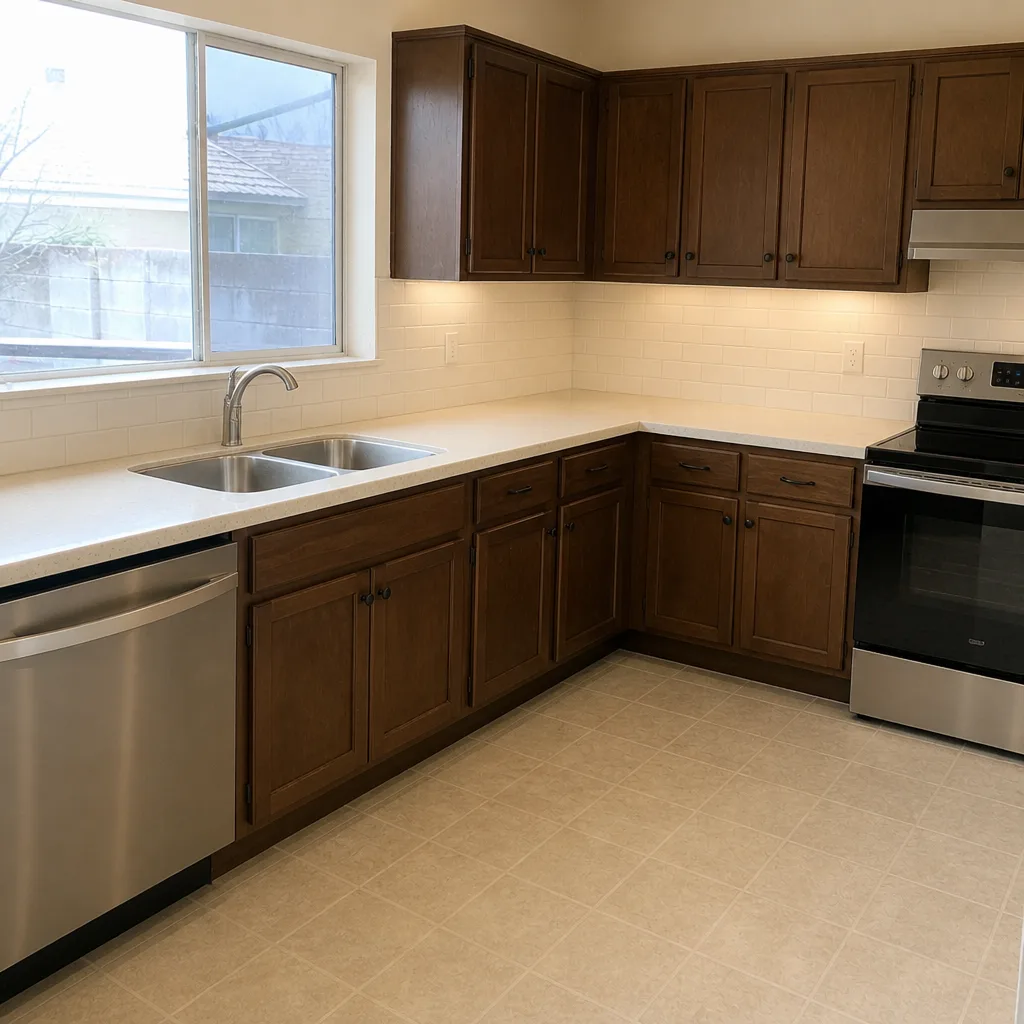
 After
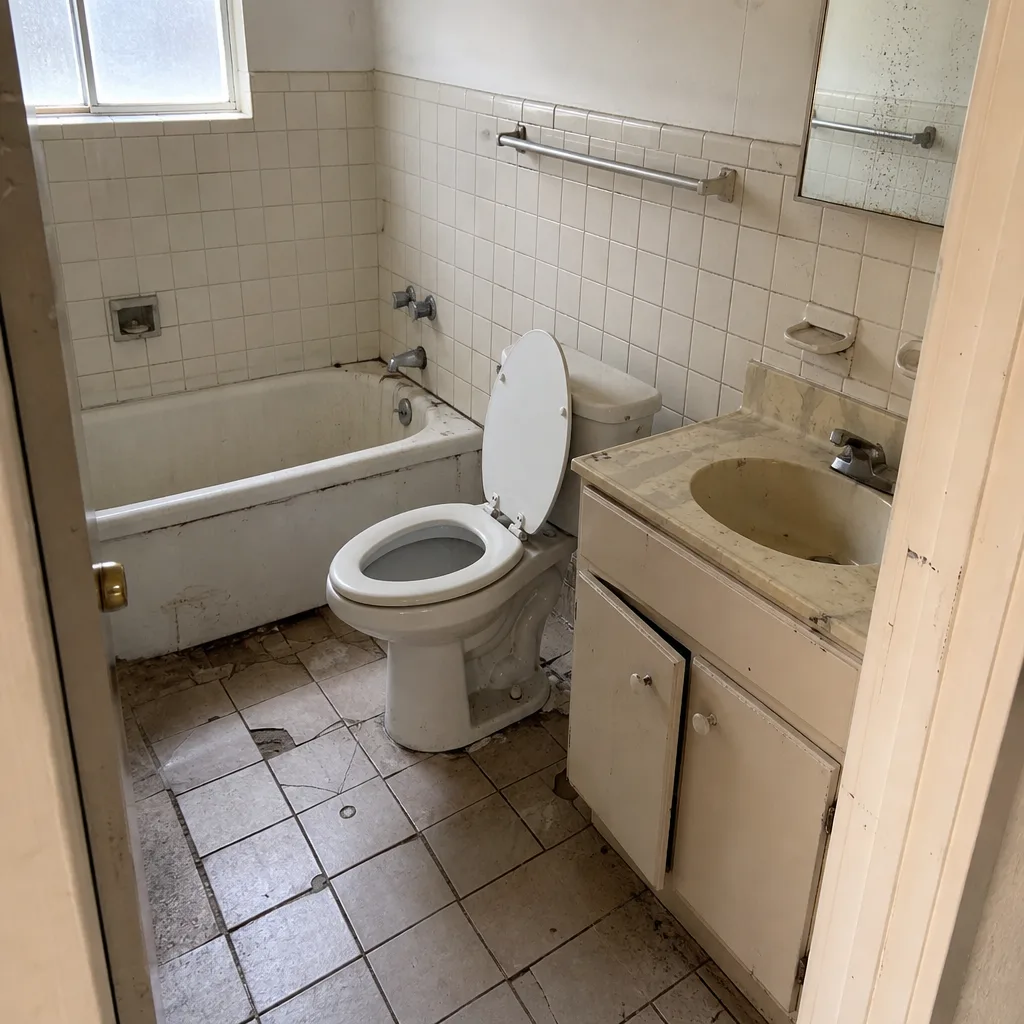
 Before
 After
 Before
 After
Frequently Asked Questions

It depends on scope, not on the word “remodel.” Cosmetic kitchen updates – paint, cabinet refacing, flooring over existing substrate, and swapping fixtures on existing connections – typically don’t require a permit in Mesquite. Anything that moves plumbing, electrical, or a wall does. If you’re relocating the sink or adding circuits for a new range, plan on a permit and an inspection sequence. Call (844) 797-3609 for a free estimate and we’ll scope the permit requirement before any work starts.
Yes, for work on your own primary residence that you intend to perform yourself. But the moment you hire someone to do the work, the permit and its liability sit with whoever pulled it. If a contractor’s work fails an inspection on a homeowner-pulled permit, correcting it is your responsibility, not the contractor’s. The cleaner approach for any project you aren’t doing yourself: let the licensed contractor pull the permit in their own name. Call (844) 797-3609 and we’ll handle the permit sequence as part of the project scope.
The inspector issues a correction notice explaining exactly what failed, and the work gets corrected and rescheduled for inspection. Re-inspection fees in Nevada commonly run $50 – $150 per repeat visit, and correction windows are typically 30 to 90 days depending on the jurisdiction. The bigger cost is schedule: re-inspection slots fill up, and a two-week slip is common. The way to avoid it is to have the rough-in inspected early and correctly the first time. Call (844) 797-3609 for a free estimate on any project scope.
It depends on the parcel, not the project. If the property sits inside incorporated city limits, the City of Mesquite issues the permit and runs inspections. If it sits outside those limits, Clark County does. The permit requirement for room additions, patio covers, and bath additions is the same either way; only the issuing office changes. Before you file, confirm your parcel’s jurisdiction – this is the call that saves the most time. For a Mesquite bathroom remodeling project, we confirm jurisdiction as part of the free estimate process.
Almost always yes, if the wall is load-bearing or if the opening changes the structural load path. Removing a load-bearing wall requires a permit, engineered plans, and structural review. In our experience, this is the most common unpermitted-project mistake in Southern Nevada, and it’s the one that creates the biggest resale problem. The cost of a permit and engineering review is a small line item compared to the cost of correcting an unpermitted structural change. Call (844) 797-3609 for a free estimate that includes the permit scope.
It usually stalls the sale. Nevada title companies ask for permit history on structural work and major remodels, and the standard seller disclosure form requires you to disclose known unpermitted work. If the buyer’s inspector flags an addition that doesn’t match the property record, mortgage financing can stall until it’s resolved, and retroactive permitting is slow and expensive. The fix on the front end is simple: permit the work before it’s built, which is standard on every Mason Remodeling Mesquite project. Call (844) 797-3609 to plan your project correctly.
The Bottom Line
Nevada’s permit process isn’t hard, but it’s layered. The jurisdiction question – city, county, or state – governs everything, and it’s answered by confirming whether your parcel sits inside incorporated city limits. Cosmetic work usually doesn’t need a permit; structural, electrical, plumbing, and gas work almost always does. Let the licensed contractor pull the permit in their own name so accountability follows the work. Inspect the rough-in early so you don’t lose weeks to a re-inspection. And permit the project on the front end, because unpermitted work at resale is the most expensive shortcut in Nevada construction. If you’re planning a project in Mesquite and want the permit scope and a written price before any work begins, that’s what we do.
To get a free estimate for a permitted project in Mesquite, call (844) 797-3609. A live person answers every call, 24 hours a day, 7 days a week. We’ll give you a written price before any work starts, and every crew member who comes to your door is background-checked, identity-verified, and introduced to you by name and photo before the visit.
Written by the team at Mason Remodeling Mesquite.