Last updated November 17, 2026







Free written scope consultation - allowances, timeline, and change-order rules on paper before a single trade is scheduled
Construction Warning Signs: A Mesquite Homeowner’s Reference Guide
Most warning-sign lists focus on the obvious villains: the unlicensed drifter, the cash-only crew, the contractor who knocks on your door with a deal that expires today. Those are real problems, but they’re not the ones we see cause the most expensive damage in Mesquite. The costlier failures come from licensed, bonded, perfectly legitimate contractors who quietly cut corners specific to desert construction. A Nevada license doesn’t guarantee that anyone specified a thermal break, mixed the stucco correctly, or scheduled expansion joints for a slab that will move in 110-degree heat. This guide walks you through both kinds of red flags, from bid time to the day the warranty expires, so you know exactly what to look for on your own project in Mesquite.
Quick Answer
The most common construction warning signs in Mesquite are bid documents that skip desert-specific details (thermal breaks, expansion joints, UV-rated finishes), contractors who can’t name or verify the crew coming to your home, contracts with vague scope and front-loaded deposits, skipped rough inspections, and missing lien releases or warranty follow-through at the end. A low bid that omits these details isn’t a bargain; it’s a transfer of risk to you, often costing thousands to correct later.
Styles & brands we work with
- Kitchen remodeling
- Bathroom remodeling
- Home additions & ADU
- Roofing
- Windows & doors
- Driveway & pavers
- Fence
Table of Contents
- Bid Red Flags Specific to Desert Construction
- Crew and Access Red Flags
- Contract Red Flags
- In-Progress Red Flags
- Post-Project Red Flags
- Why Mesquite’s Climate Amplifies Every Mistake
- How to Verify a Contractor Before You Sign
- Frequently Asked Questions
Bid Red Flags Specific to Desert Construction
This is where Mesquite homeowners lose the most money, and it’s the section most warning-sign articles skip entirely. A contractor who is fully licensed and bonded in Nevada can still install R-13 insulation in a Mesquite wall cavity that building science says needs R-21 to perform in our summer heat. The permit inspector won’t catch it unless it’s explicitly written into the scope. Here’s what to scan for in the bid document itself.
- No thermal break material called out. Metal studs and window frames conduct heat straight through a wall. A proper desert bid specifies a thermal break – a barrier between the frame and the interior – so your cooling bill doesn’t spike. If the bid is silent, ask.
- No expansion joint specification. Concrete, stucco, and tile all move with temperature swings. Mesquite regularly swings 40 degrees between night and afternoon. Without expansion joints or control joints designed in, cracks appear in the first year.
- No UV-rated exterior finish named. The desert sun destroys standard exterior paint and sealant in two summers. A serious bid names the specific product and its UV rating, not just “exterior paint.”
- Insulation values written as a range rather than a number. “R-13 to R-21 depending on conditions” means the contractor reserves the right to install the minimum. You want the number.
- Windows listed by brand only, no performance rating. Brands like ES Windows or CWS make both entry-level and high-performance lines. The bid should specify the model and solar heat gain coefficient, not just the manufacturer.
- Lump-sum bids with no line items. A number without a breakdown gives you nothing to hold the contractor to when material substitutions happen later.
In our experience, the bids that read as one paragraph and a price are exactly the ones that grow. A written price with line items – delivered before any work begins – is what lets you compare two contractors fairly. That’s the standard we hold on every project, and it’s the standard you should demand from anyone bidding on your home.
Crew and Access Red Flags
For anyone who is home alone during the day, has young children, or is older and living independently, the question of who is coming to the house matters as much as the price. Warning signs here are easy to spot if you ask directly.
- The contractor can’t name who will be on site. “The guys” and “my crew” are not answers. A professional names the lead and the tradespeople coming, in advance.
- Crews rotate without notice. Different faces every day, none introduced, no way to know who has a key or access to your garage. If the roster changes, you should hear about it before it happens, not from your neighbor.
- Resistance to photo identification. If you ask to see ID and the response is a laugh or a shrug, that’s your answer. The Threshold Standard exists precisely because homeowners should never have to guess.
- No uniform and no name introduction. A clean marked uniform and a photo ID badge at the door are simple, low-cost signals that a company takes its screening seriously.
- No verification process described at all. When you ask how they vet employees, a vague answer about “trusting their people” isn’t verification. Background checks and identity verification are processes you can describe, not vibes.
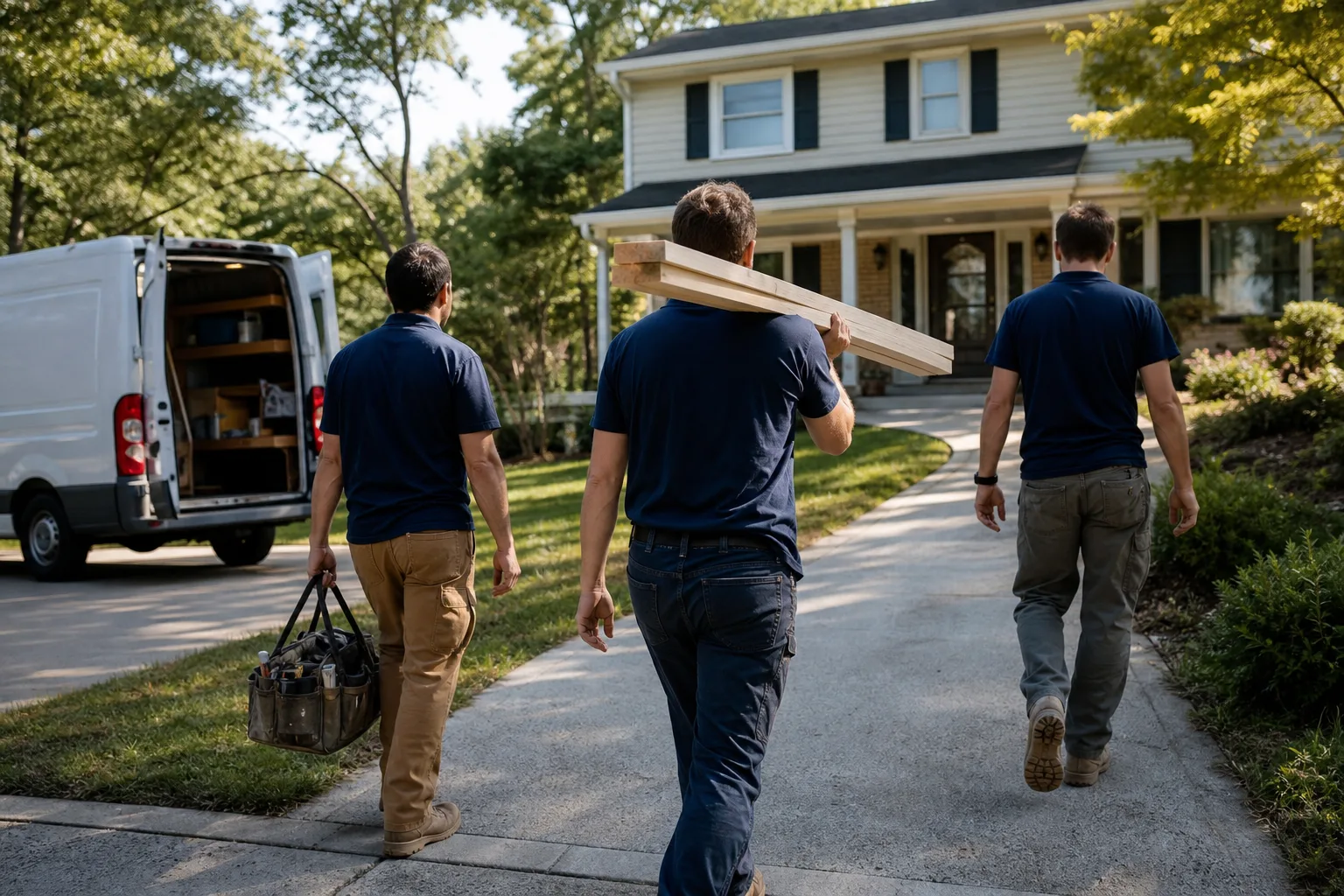
Our technicians have up to 22 years of experience, and each one is identity-verified through The Threshold Standard before they reach a door. Homeowners get the technician’s name and photo ahead of the visit, and a photo ID badge on arrival. That’s not a courtesy; it’s the baseline, and you can ask any contractor in Mesquite to match it.
Contract Red Flags
The contract is where vague language gets expensive. Three patterns show up again and again in Mesquite.
- Scope written with “or equal.” Language like “cabinetry by KraftMaid or comparable” gives the contractor permission to swap in a cheaper line after you’ve signed. Real bids name the product line, the model, and the finish. If you see “or equal” and no approval process for substitutions, ask for it in writing.
- Front-loaded payment schedules. A deposit is normal; a deposit that’s 50 percent or more of the total is not. Standard schedules pay a smaller deposit, then payments tied to completed milestones, with a holdback until final inspection and your walkthrough.
- No written warranty terms. “Backed by our warranty” with no document is meaningless. Ask exactly what’s covered, what’s excluded, and for how long – in writing, attached to the contract. A written guarantee states coverage in plain terms: “365 days from the completion date,” not a slogan.
One more pattern to catch: no permit responsibility clause. If the contract doesn’t say who pulls the permit and who pays for it, you’ll find out when a stop-work order arrives. A permit pulled and inspections passed should be part of the deal on any structural or systems work, spelled out before signing.
In-Progress Red Flags
Once the crew is on site, the warning signs shift from paperwork to sequence and timing. In the desert, timing shortcuts show up fast.
- Rough inspections skipped. Framing, electrical, and plumbing rough work should each be inspected before anything is covered with drywall. A contractor who wants to close walls early is a contractor you should slow down.
- Concrete poured without adequate cure time. In Mesquite’s summer heat, a slab can set faster than the mix design allows, and rushed curing leads to cracking and scaling within a year. Proper curing takes days, not hours, and water curing or curing compound should be in the plan.
- Stucco applied over wet substrate. Stucco needs a properly prepared, cured base and the right mix ratio for our conditions. Applying it over damp sheathing traps moisture and leads to cracking and bubbling that shows up months later.
- Insulation installed without a thermal break on metal framing. Back to the opening point: the inspector sees the wall before it’s closed, but only checks what’s in the scope. If R-21 was specified and R-13 went in, that’s on your documentation to catch.
- No daily communication. If you’re the last to know what happened on your own project, the project management isn’t working. A live person should be reachable when you have a question.
Ask to see each inspection sign-off as it happens. A contractor can pull the report for you; a contractor who can’t produce it, or who gets defensive when asked, is telling you something.
Post-Project Red Flags
The job isn’t finished when the last tool leaves. Several of the most common problems appear in the weeks and months after the crew packs up.
- Work completed without final inspection sign-off. The final inspection is proof the work meets code. No sign-off, no closing – and no occupancy if the project needed a certificate.
- Lien releases not provided at final payment. Subcontractors and suppliers can place a mechanic’s lien on your home if the general contractor didn’t pay them. Before you make the final payment, get lien releases from every sub and supplier.
- Warranty calls that go unanswered after 30 days. The first month, everyone answers. The test is month six and month eleven. A written guarantee with a free return visit if a repair or installation fails is what turns a warranty from a promise into a process.
- No punch-list walkthrough. The final walkthrough should happen with you and a written list. If the contractor wants to collect the last check before you’ve walked the work, decline.
- Documents not delivered. Permits, inspection reports, material spec sheets, and the warranty document all belong in your hands at closing.
Why Mesquite’s Climate Amplifies Every Mistake
Mesquite sits in a low desert pocket where summer highs routinely top 110 degrees and winter nights can drop near freezing. That swing does things to building assemblies that a contractor from a mild climate may not plan for.
- Thermal movement. A concrete slab or stucco wall expands and contracts every day. Without expansion joints placed correctly, the movement shows up as cracks – often within the first year.
- UV exposure. Sunlight here is intense. Standard exterior sealants and finishes degrade faster than the product data sheets assume, so UV-rated materials aren’t an upgrade; they’re a requirement.
- Wind-driven dust. Dust finds every gap. Windows from manufacturers like CGI or ECO Window Systems are rated differently for wind and dust infiltration, and the model matters.
- Drying versus curing. Concrete that dries too fast in the heat never reaches its design strength. Curing schedules should be written into the schedule, not left to the crew’s judgment on a 112-degree afternoon.
This is why we say a bid for a Mesquite home should read differently from a bid for a home in a temperate climate. If it doesn’t, the contractor is either not planning for our conditions or not telling you what they’re planning.
How to Verify a Contractor Before You Sign
Verification is a checklist, and it takes about 20 minutes. Here’s the process we walk homeowners through on every project.
- Check the license and insurance directly with the state. Nevada’s contractor board publishes license status and complaint history. Ask for a certificate of insurance naming you as additional insured.
- Get a written, line-item price before any work starts. Every project, every time. No verbal estimates presented as final.
- Read the scope line by line. Confirm thermal breaks, expansion joints, insulation values, and UV-rated finishes are named. Ask about the window and door models if those are being replaced.
- Ask who is coming and how you’ll recognize them. Name, photo, uniform, badge. If the answer is vague, move on.
- Review the payment schedule. A modest deposit, milestone payments, and a holdback until final inspection and walkthrough.
- Get the warranty document before signing. Read coverage terms, exclusions, and duration. Ask whether a failed repair triggers a free return visit and in what timeframe.
- Confirm permits are pulled and inspections passed. Ask who pulls them, who pays, and how you’ll see the sign-offs.
If a contractor pushes back on any of these steps, the pushback itself is the warning sign. A professional is used to the questions, and answers them without drama. Mason Remodeling is part of the Threshold Group, and our Mason Remodeling Mesquite home page lays out exactly how these standards apply to every project. You can also read more about how we handle remodeling projects from start to finish through our general contractor in Mesquite page, including kitchen projects at kitchen remodeling in Mesquite and bath projects at bathroom remodeling in Mesquite.
Common Mistakes to Avoid
- Comparing bids without comparing scope. The lowest number often omits the desert-specific details from this guide. Compare documented scopes, not page totals.
- Skipping the final inspection sign-off to save time. Mesquite can be a fast-moving market, and “we’ll get the final later” is a trap. No sign-off, no closing payment.
- Paying a large deposit up front. A big deposit before materials are ordered gives the contractor every incentive to rush. Milestone-based payments protect you.
- Assuming a license covers quality. A license confirms legal status, not craftsmanship or desert-specific knowledge. Ask what the bid specifies, not just whether the contractor is licensed.
- Letting crews rotate without ever meeting the lead. In Mesquite, where many homeowners are away for part of the season, meeting the lead in person before work starts matters even more.
- Not asking for lien releases at final payment. This is a one-page document that can save you tens of thousands in a dispute with a subcontractor.
- Accepting verbal warranty promises. If the coverage isn’t in writing, with dates and exclusions, it doesn’t exist.
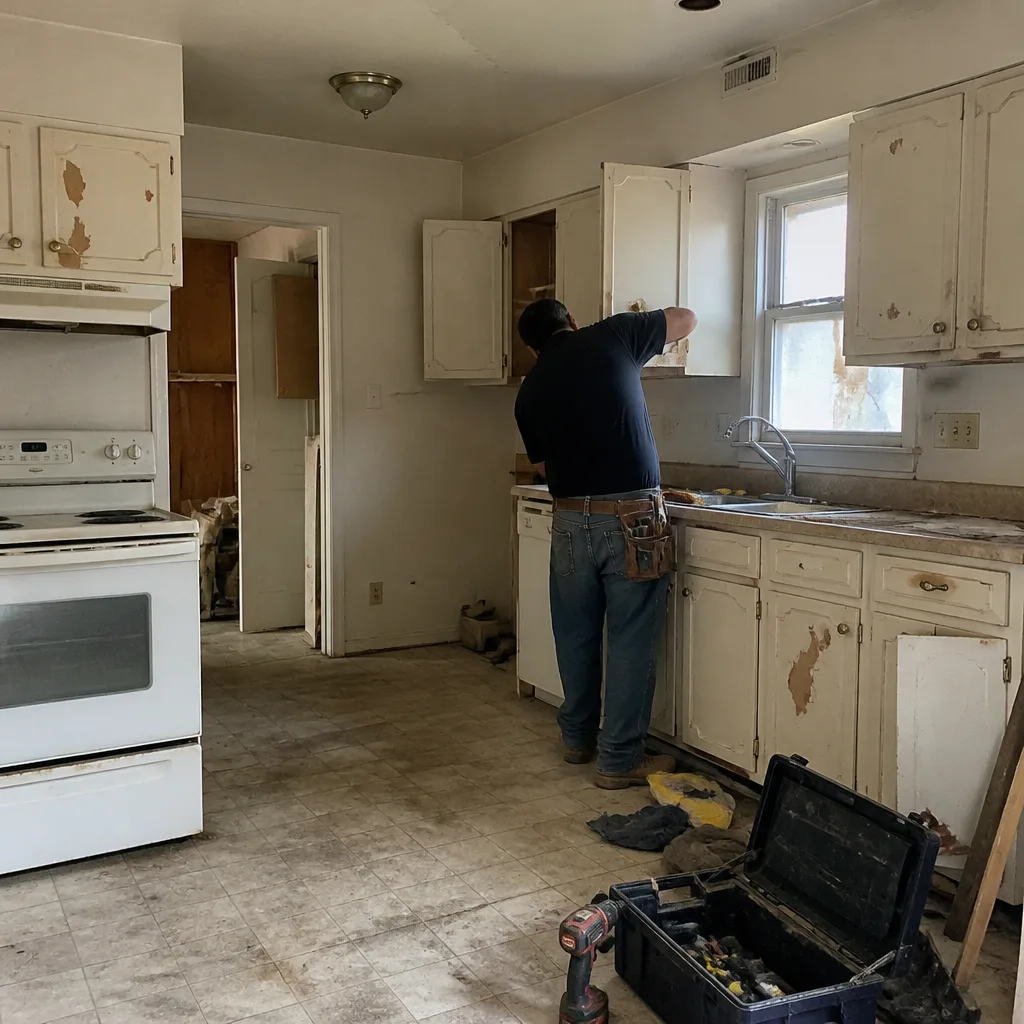
See the difference
 Before
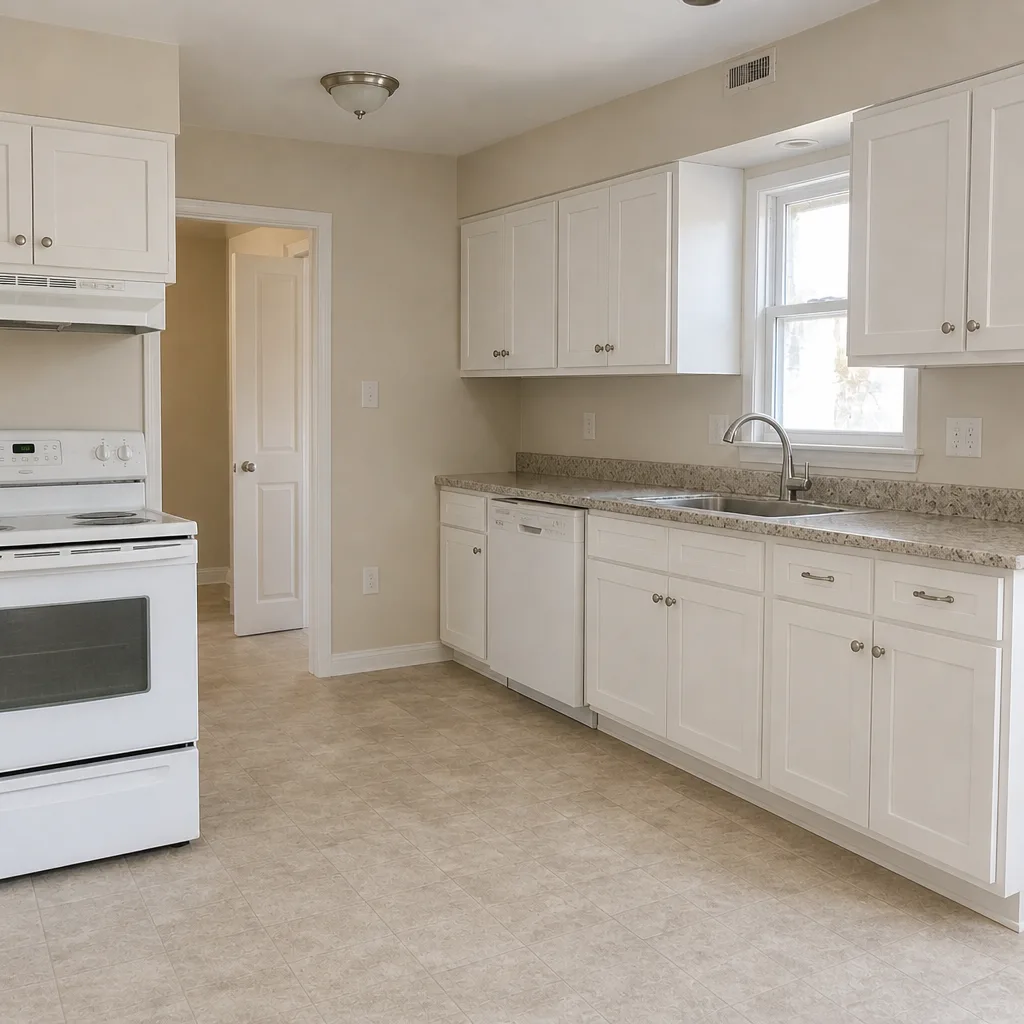 After
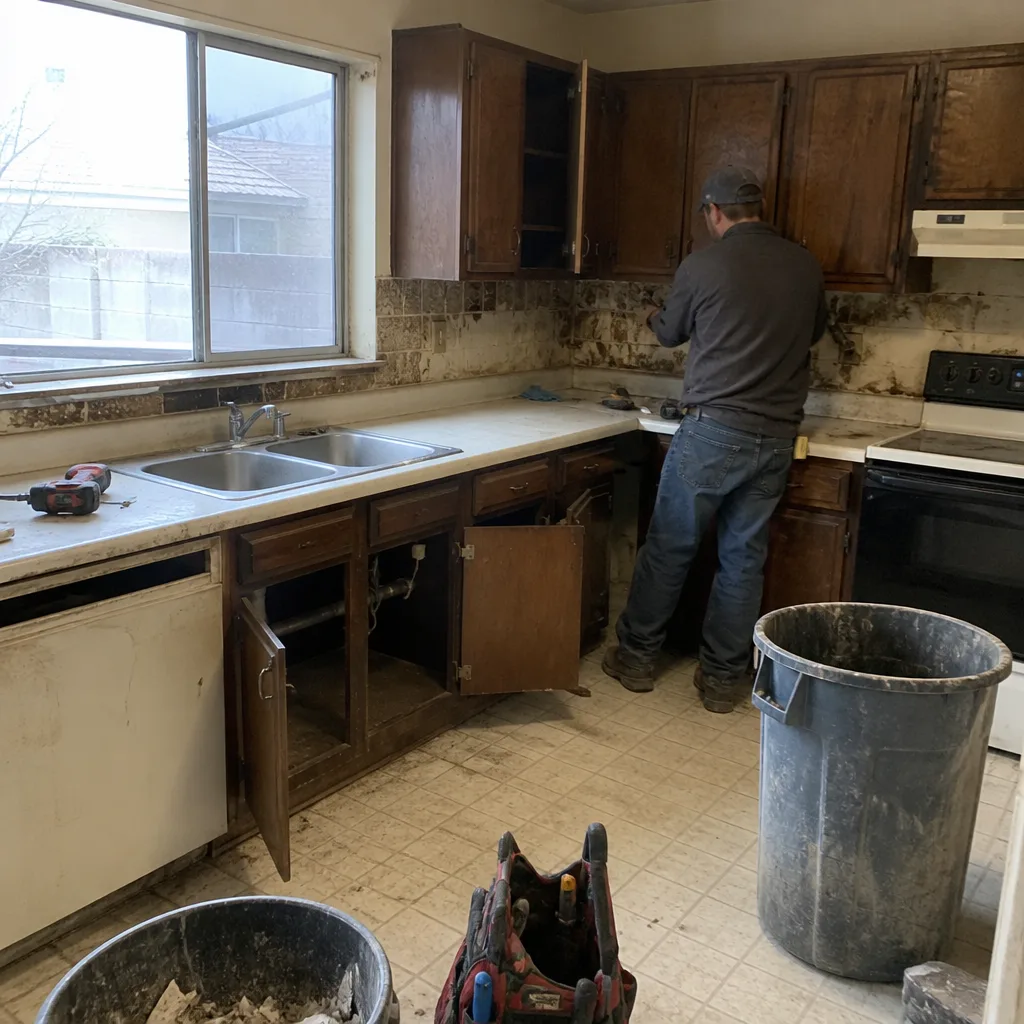 Before
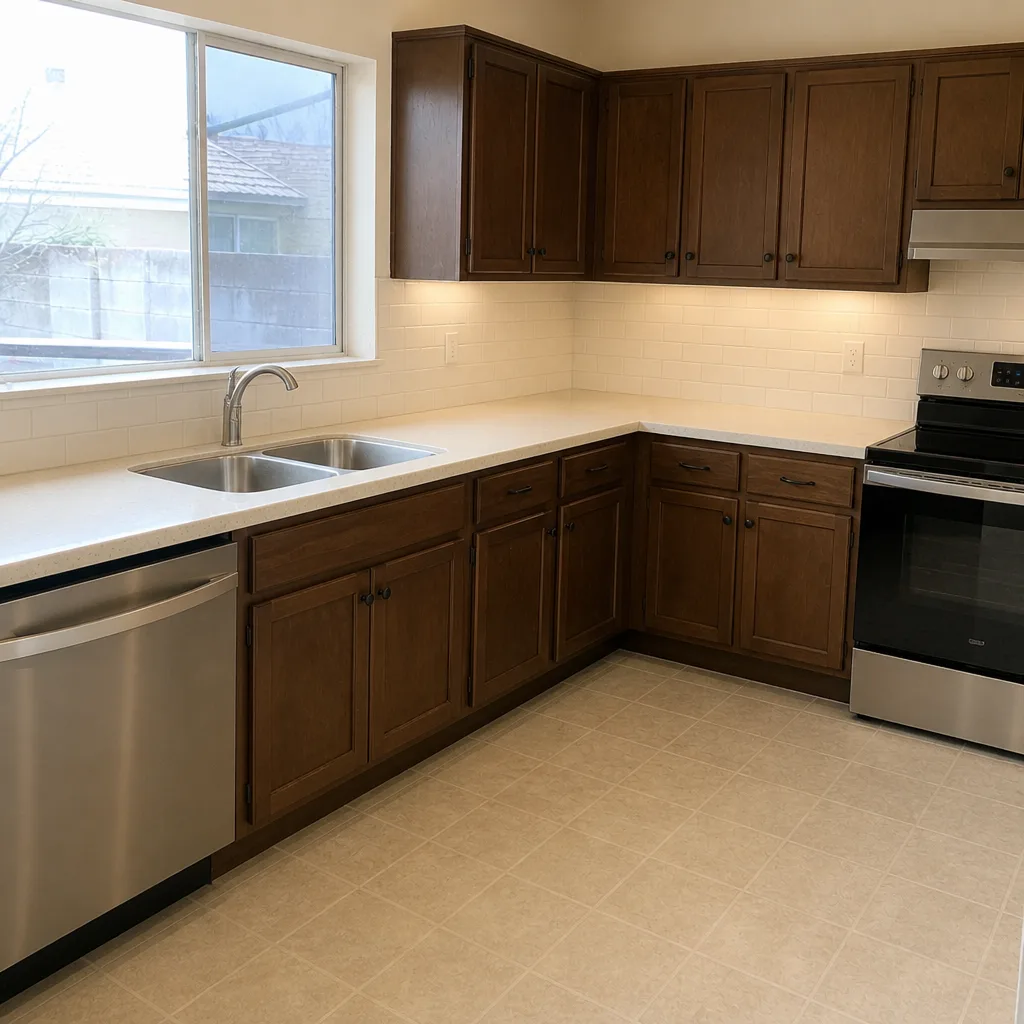 After
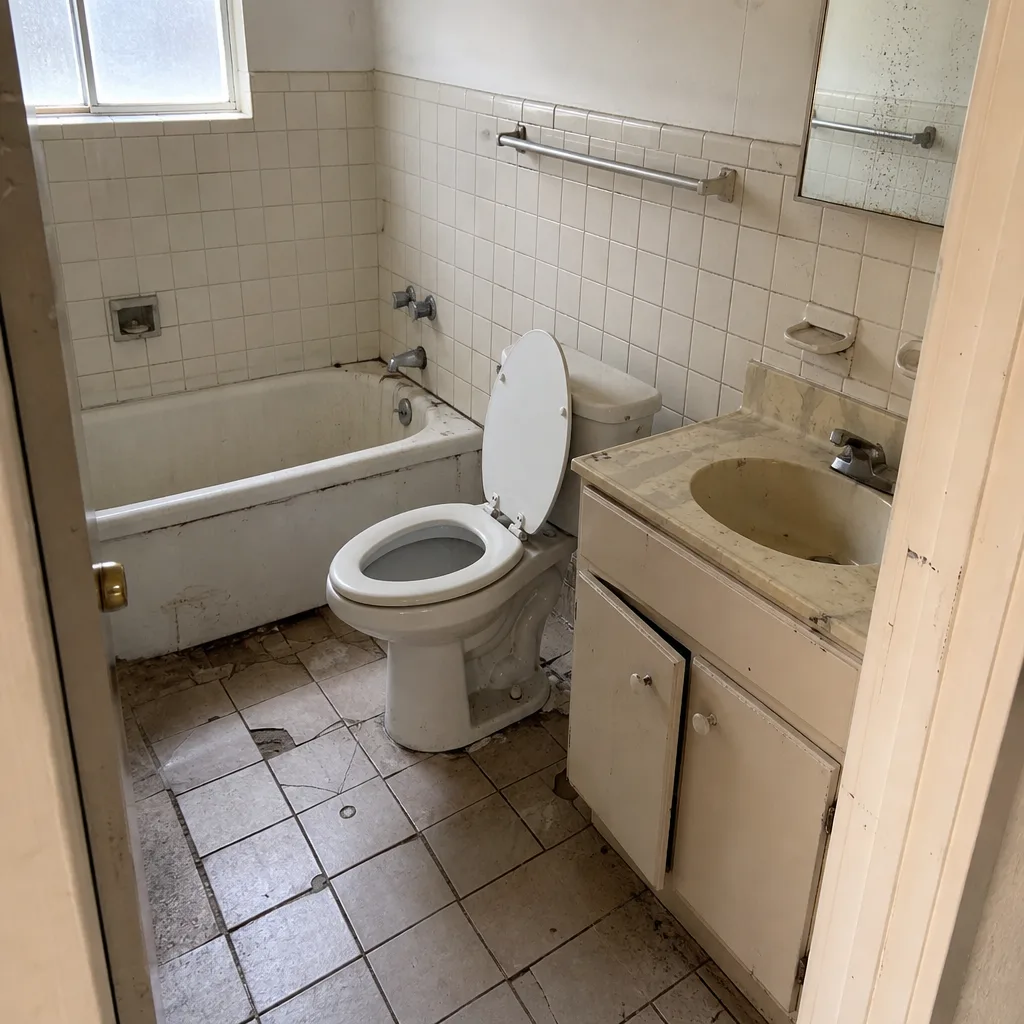 Before
 After
When to Call a Professional
Some warning signs are a reason to pause. Others are a reason to stop and get an expert’s eyes on the project. Call a professional when the bid omits desert-specific details that should be in every Mesquite scope, when the contractor can’t name who is coming or refuses ID verification, when the payment schedule is front-loaded, or when the contract has no written warranty. Call immediately if inspections are being skipped or walls are closing over rough work that hasn’t been signed off. And call if the work is finished but the final inspection, lien releases, or warranty documentation is missing. Mason Remodeling Mesquite offers free estimates in Mesquite – call (844) 797-3609 to get a written, line-item price and a clear answer on every point in this guide.
Frequently Asked Questions
Corrections typically run $2,000 to $12,000 depending on what was missed. Insulation undersized from R-21 to R-13 costs $1,500 to $4,000 to correct after drywall. Stucco damage from a wet substrate averages $3,500 to $9,000 to remove and reapply. Cracked slabs from skipped expansion joints can exceed $10,000. Catching it in the bid saves you that. Call (844) 797-3609 for a free second opinion – estimates are free.
No. A Nevada license confirms the contractor is legally allowed to work and carries required insurance, but it doesn’t guarantee they’ll specify thermal breaks, correct insulation values, UV-rated finishes, or expansion joints in your project. Those are quality decisions documented in the bid, not the license. Ask for the scope in writing and read it.
A reasonable schedule starts with a modest deposit, ties payments to completed milestones, and holds back a portion until final inspection sign-off and your walkthrough. You should never pay a large majority of the project up front. Call (844) 797-3609 to see how a written price and payment schedule look before any work starts.
Yes, and you should. A professional company has a process for it. We provide each technician’s name and photo before the visit and a photo ID badge at the door, verified through The Threshold Standard. If a contractor’s answer to “will I know who’s coming?” is vague, that’s the answer to your question.
Heat and daily temperature swing. Summer highs above 110 degrees cause concrete to cure unevenly and stucco to dry before it sets if it’s applied over a wet substrate or mixed to the wrong ratio. Mesquite projects need curing schedules and expansion joints written into the scope, not left to judgment on a hot afternoon.
At minimum, a written warranty that states what’s covered, what’s excluded, and for how long, and whether a failed repair triggers a free return visit. “Backed by our guarantee” with no document isn’t enough. Call (844) 797-3609 for a free estimate and ask to see the written guarantee terms before you commit.
The Bottom Line
The most expensive construction warning signs in Mesquite usually come from contractors who are licensed and look legitimate. The tell is in the paperwork: bids that skip thermal breaks, expansion joints, insulation values, and UV-rated finishes; contracts with vague scope language and front-loaded deposits; crews you can’t name or verify; skipped inspections; and final payments made before lien releases and final sign-off. Verification is a 20-minute process, and a written, line-item price delivered before work begins is your strongest protection. Mason Remodeling Mesquite, part of the Threshold Group, delivers a written price on every project and backs every job with a written guarantee.
Contact
If you’re planning a project in Mesquite and want a written, line-item price before any work starts, call Mason Remodeling Mesquite at (844) 797-3609 for a free estimate. A live person answers every call, 24 hours a day, seven days a week. You’ll get a clear scope, a written price, and the name and photo of every technician before they reach your door.
Written by the team at Mason Remodeling Mesquite.